

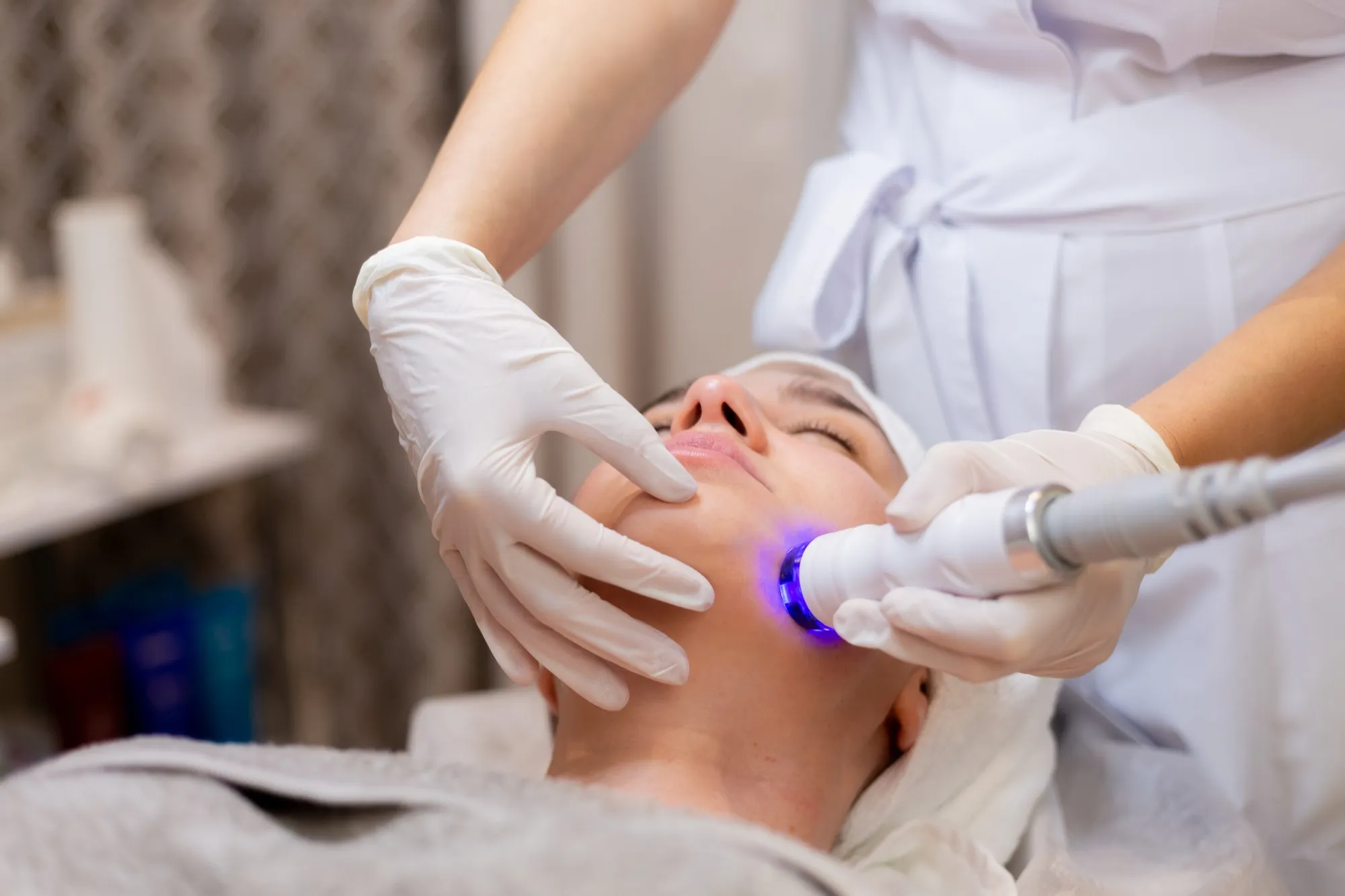
In a busy medical environment, interior design of your skin clinic does far more than shape appearances. The right skin clinic interior design ideas can directly influence how smoothly patients move through the space, how long they wait, and how efficiently staff operate throughout the day.
From reception flow to treatment room planning, thoughtful spatial design helps reduce congestion, minimise distractions, and prevent operational bottlenecks. For clinic owners and administrators, this translates into better time management, calmer patients, and more productive teams.
When layout, storage, lighting, and circulation are planned strategically, the clinic functions as a cohesive workplace that supports both patient experience and long-term commercial performance.
1. Zoned Layouts With Clear Functional Separation

Clear zoning is one of the most effective ways to improve patient flow in a skin clinic. By dividing the space into distinct areas for reception, consultation, treatment, and staff-only functions, clinics can significantly reduce cross-traffic that often leads to delays and confusion.
Patients move through the clinic in a logical sequence, while staff are able to carry out their tasks without constant interruptions.
From an operational perspective, zoning creates predictable movement patterns throughout the day. During peak hours, this helps prevent congestion at key touchpoints such as the reception counter and corridor intersections.
For business owners, a well-zoned layout supports smoother scheduling, better time management, and a more professional clinic environment that functions efficiently under pressure.
2. Enclosed Treatment Rooms Instead Of Open Bays
Enclosed treatment rooms are a preferred design choice in modern skin clinics because they support both privacy and operational control.
Fully enclosed spaces help contain noise from equipment and conversations, reducing distractions for patients and clinicians alike. This separation also limits visual disturbances, allowing treatments to proceed in a calm and focused setting.
From a workflow standpoint, enclosed rooms make scheduling more reliable. Treatments can start and finish without being affected by activity in adjacent areas, which minimises delays and overlap.
3. Neutral Colour Palettes With Low Visual Contrast
Neutral colour palettes play an important role in guiding patient movement through a clinic. Soft tones such as warm whites, light greys, and muted beiges create a calm visual environment that reduces sensory overload.
When colours remain consistent across corridors, consultation rooms, and treatment areas, patients are less likely to feel disoriented or rushed.
Low visual contrast also supports a smoother journey by maintaining continuity between spaces. For clinic owners, this consistency helps reinforce a professional image while supporting operational flow.
In busy commercial settings, a restrained palette contributes to a more controlled atmosphere that benefits both patient experience and staff focus.
4. Minimal Wall Graphics In Clinical Zones
In treatment areas, visual simplicity supports both clinical precision and operational efficiency. Limiting wall graphics, decorative elements, and bold patterns helps reduce visual distractions that can interrupt concentration during procedures.
When walls remain clean and understated, clinicians are better able to focus on their work, while patients experience a calmer and more reassuring environment.
Branding and decorative features are best concentrated in reception or consultation areas rather than clinical zones.
This approach ensures that spaces requiring accuracy and control remain visually quiet. For clinic owners, minimal wall treatments also simplify maintenance and create a more professional appearance aligned with medical standards.
5. Integrated Storage Cabinets Within Treatment Rooms
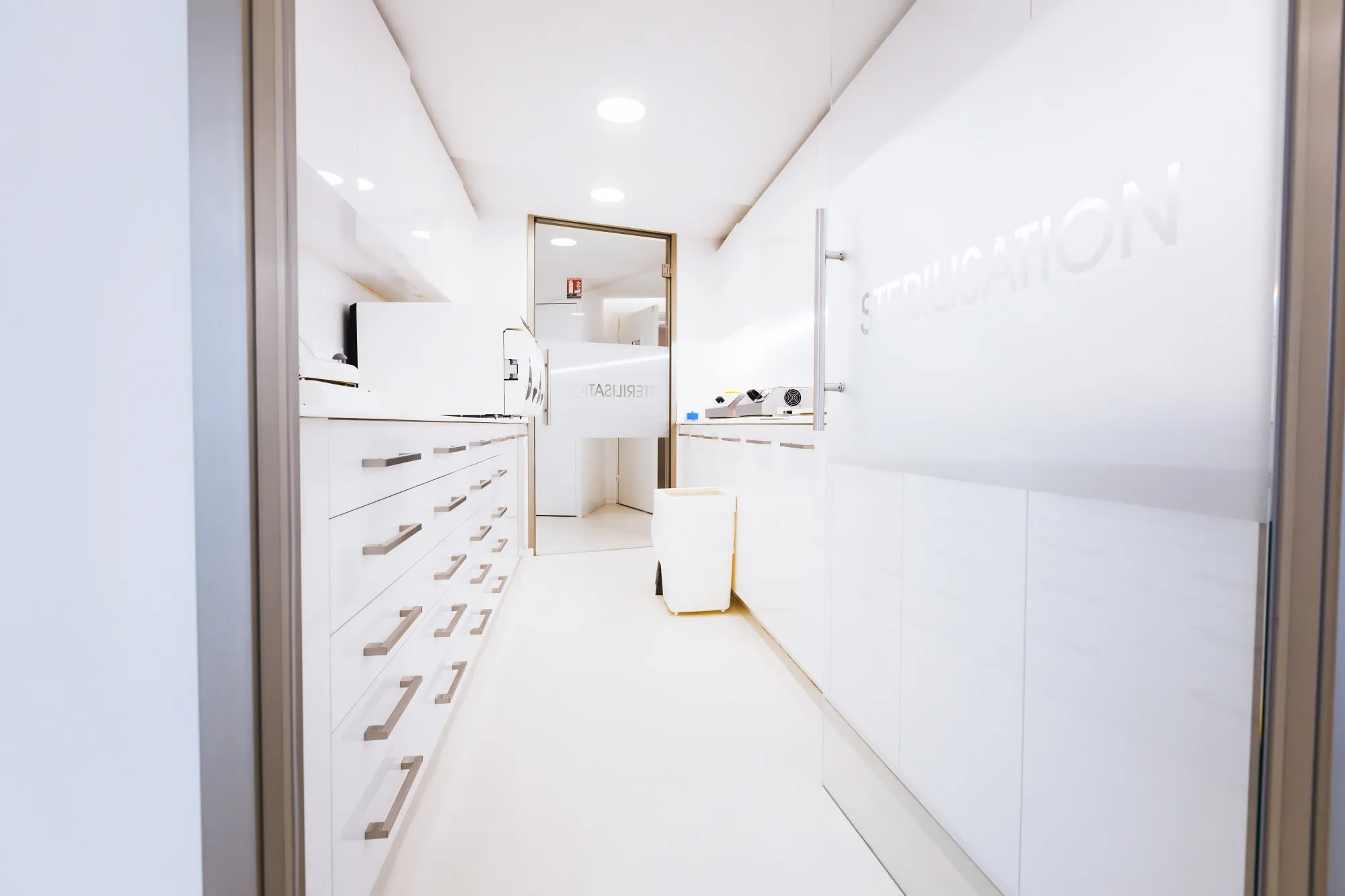
Built-in storage within treatment rooms plays a key role in maintaining smooth workflows. Integrated cabinets allow essential tools, consumables, and equipment to be stored within arm’s reach, reducing the need for staff to leave the room during procedures. This not only saves time but also helps treatments progress without unnecessary interruptions.
From a design perspective, concealed and organised storage keeps rooms visually tidy and easy to manage. For commercial clinics, this level of organisation supports faster room turnover, consistent service delivery, and a more controlled working environment that benefits both staff and patients.
6. Concealed Medical Equipment Storage
Bulky medical equipment can quickly overwhelm a treatment space if left exposed. Concealed storage solutions such as recessed cabinets, sliding panels, or dedicated equipment closets allow devices to be hidden when not in use.
This creates a cleaner visual field that helps patients feel more at ease and less intimidated by clinical surroundings.
For staff, reduced visual clutter improves clarity and efficiency during daily operations. Equipment remains accessible without disrupting movement or concentration, supporting a smoother workflow.
In a commercial clinic setting, concealed storage also reinforces a polished, professional image while making better use of available floor space.
7. Linear Patient Flow From Entry To Exit
A linear patient flow simplifies how people move through a skin clinic from arrival to departure. By designing a one-directional journey that starts at reception and progresses through consultation, treatment, and exit points, clinics can reduce confusion and unnecessary backtracking. Patients know where to go next without relying heavily on signage or staff guidance.
This approach is particularly effective during peak hours, when multiple appointments overlap. Linear circulation minimises crowding in corridors and waiting areas, helping the clinic operate more smoothly.
For business owners, a clear flow supports better time management, improves punctuality, and creates a more organised clinic experience.
8. Sound-Absorbing Materials In Corridors
Corridors often act as sound channels in busy clinics, allowing noise to travel between spaces. Using sound-absorbing materials such as acoustic wall panels, soft flooring, or treated ceilings helps limit noise transmission between reception, treatment rooms, and staff areas. A quieter environment allows both patients and staff to move through the clinic with less stress.
From an operational perspective, reduced noise supports clearer communication and concentration. Staff can focus on tasks without constant auditory distractions, while patients experience a calmer transition between zones.
9. Frosted Glass Instead Of Clear Partitions
Frosted glass partitions offer a practical balance between openness and privacy in skin clinics. They allow natural light to pass through corridors and rooms while obscuring direct views into treatment areas.
This maintains brightness without exposing clinical activities, helping patients feel more comfortable as they move through the space.
Visual separation also reduces hesitation and unnecessary stopping in circulation paths. Patients are less likely to pause or feel uncertain when boundaries between zones are clearly defined but not visually harsh.
10. Dedicated Staff Circulation Paths
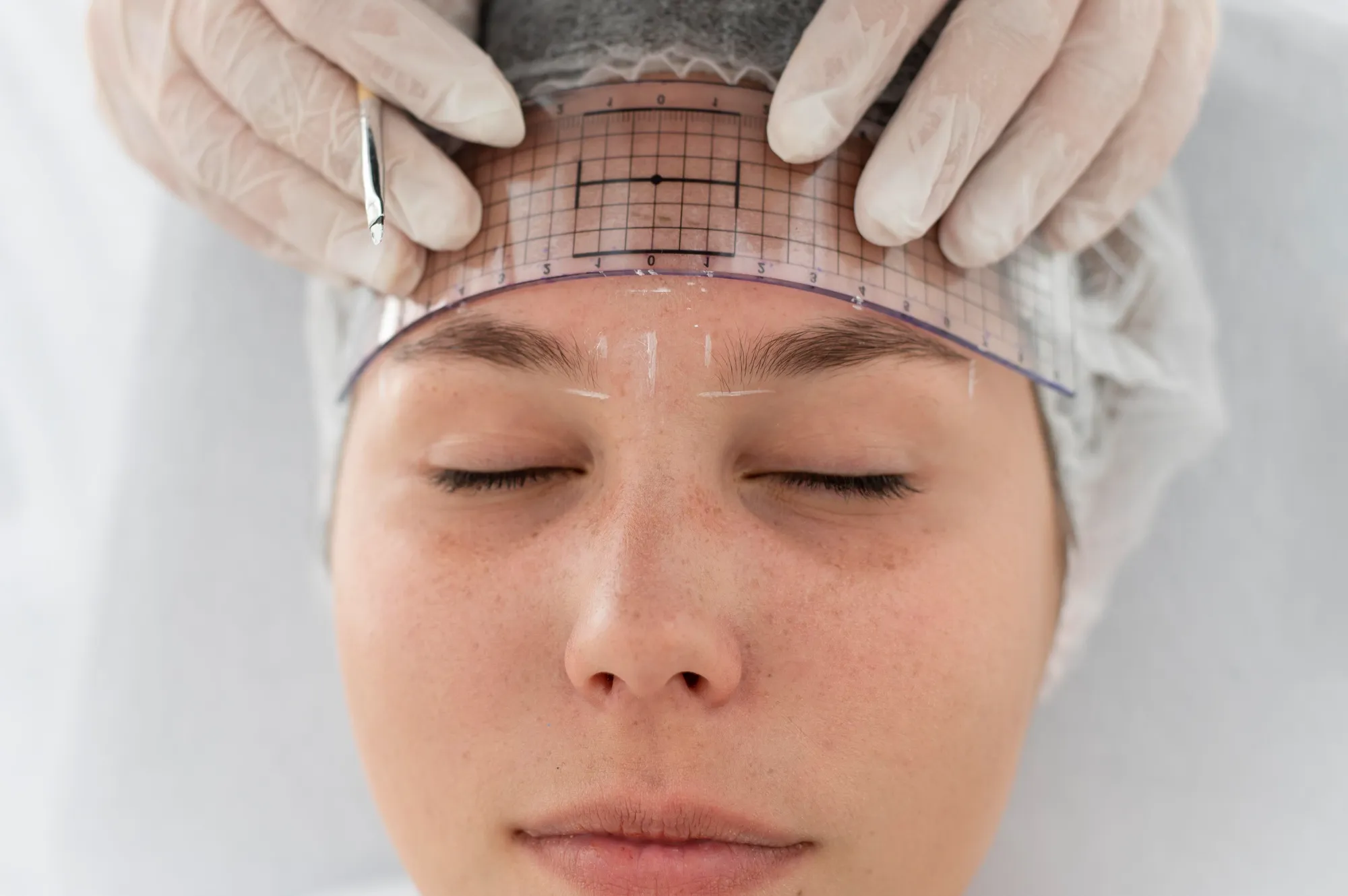
Separating staff circulation from patient areas helps clinics run more smoothly throughout the day.
When staff have clear internal routes to move between treatment rooms, storage areas, and support spaces, tasks can be completed without cutting through waiting areas or corridors used by patients. This reduces unnecessary encounters that can interrupt both treatment schedules and patient flow.
Dedicated staff paths also improve coordination during busy periods. Team members can respond quickly to requests, prepare rooms efficiently, and manage equipment discreetly. This creates a calmer environment for patients while allowing staff to work with greater speed and focus.
11. Warm, Diffused Lighting Instead Of Harsh Overheads
Lighting plays a subtle but powerful role in how people move through a clinic. Warm, diffused lighting softens the overall environment, helping patients feel at ease as they transition from one space to another.
Compared to harsh overhead lights, softer illumination reduces visual strain and creates a more welcoming atmosphere.
This type of lighting also encourages a steady pace of movement. Patients are less likely to feel rushed or overwhelmed, which supports smoother circulation. For staff, consistent and comfortable lighting improves concentration and reduces fatigue over long working hours.
12. Task Lighting Focused Only On Treatment Areas
Targeted task lighting ensures that treatment areas are well lit for precision work without over-lighting the entire room.
By directing brighter light only where it is needed, clinics can maintain a calm ambient environment while supporting clinical accuracy. This balance helps treatments proceed efficiently without creating visual discomfort.
Reducing excessive brightness also lowers visual fatigue for both staff and patients. Staff benefit from clear visibility during procedures, while patients remain relaxed under softer surrounding light. This approach supports focus, comfort, and smoother transitions throughout the clinic.
13. Minimalist Reception Counters
A minimalist reception counter helps create a smooth and efficient arrival experience. Streamlined counters with clear surfaces allow staff to focus on check-ins without being distracted by unnecessary items.
Patients are able to approach the counter easily, understand where to queue, and complete registration without hesitation.
Reducing surface clutter also speeds up processing time. Essential tools such as screens, payment terminals, and forms are organised and within reach, while non-essential items are kept out of sight. This results in quicker interactions and a more orderly first point of contact.
14. Decluttered Waiting Areas With Limited Furniture
Simplified waiting areas play a key role in maintaining good circulation. Limiting furniture to essential seating creates wider walkways and clearer sightlines, making it easier for patients to move in and out of the space. This layout reduces the chance of congestion, especially during peak periods.
A decluttered environment also helps minimise confusion. Patients can easily identify seating, exits, and circulation paths without navigating around unnecessary tables or décor. This clarity supports smoother movement and a calmer waiting experience.
15. Back-Of-House Storage For Bulk Supplies

Storing bulk supplies away from patient-facing areas helps maintain a clean and organised environment. Items such as consumables, packaging, and spare equipment are best kept in dedicated storage zones rather than along corridors or in treatment spaces. This prevents visual clutter and keeps circulation routes unobstructed.
Clear separation between storage and public areas also improves efficiency. Staff can access supplies quickly without disrupting patient movement, while shared spaces remain tidy and easy to navigate. This organisation supports smoother daily operations and a more comfortable clinic environment.
16. Uniform Furniture Design Across Rooms
Using the same furniture design and layout across consultation and treatment rooms helps create a sense of familiarity.
When seating, counters, and storage appear in consistent positions, patients spend less time adjusting to new surroundings. This reduces cognitive load and allows them to move through the clinic with greater confidence and ease.
For staff, predictability improves efficiency. Reaching for equipment, positioning patients, and preparing rooms becomes second nature when every space follows the same arrangement. Over time, this consistency supports smoother workflows and fewer delays caused by unnecessary adjustments.
17. Soft-Close Drawers And Doors
Noise control plays an important role in maintaining a calm clinical environment. Soft-close drawers and doors prevent sudden sounds that can disrupt treatments or break concentration during consultations. These subtle details contribute to a quieter and more controlled atmosphere throughout the clinic.
Reducing noise interruptions also supports better communication and focus. Staff can work without being startled by repeated slamming sounds, while patients remain relaxed during procedures. Small design choices like these often have a noticeable impact on overall comfort and flow.
18. Clear Sightlines For Staff Supervision
Clear sightlines allow staff to maintain visual awareness of movement within key areas. When layouts provide unobstructed views of corridors, waiting spaces, or treatment room entrances, staff can respond quickly to patient needs without constantly changing position. This improves coordination and reduces unnecessary walking.
Visual oversight also supports smoother transitions between appointments. Staff can anticipate when rooms become available or when assistance is required, helping activities stay on schedule. Well-planned sightlines contribute to a more responsive and organised clinic environment.
19. Anti-Glare Finishes On Surfaces
Using anti-glare or matte finishes on walls, cabinetry, and worktops helps reduce harsh reflections under clinical lighting. Glossy surfaces can create visual strain for both staff and patients, especially during detailed procedures. Matte finishes absorb light more evenly, supporting clearer visibility and better focus.
This visual comfort also supports smoother movement through the clinic. Patients are less likely to feel overstimulated as they transition between spaces, while staff can work with greater ease over extended periods. Reducing glare contributes to a calmer and more controlled environment overall.
20. Dedicated Consultation Rooms Separate From Treatments
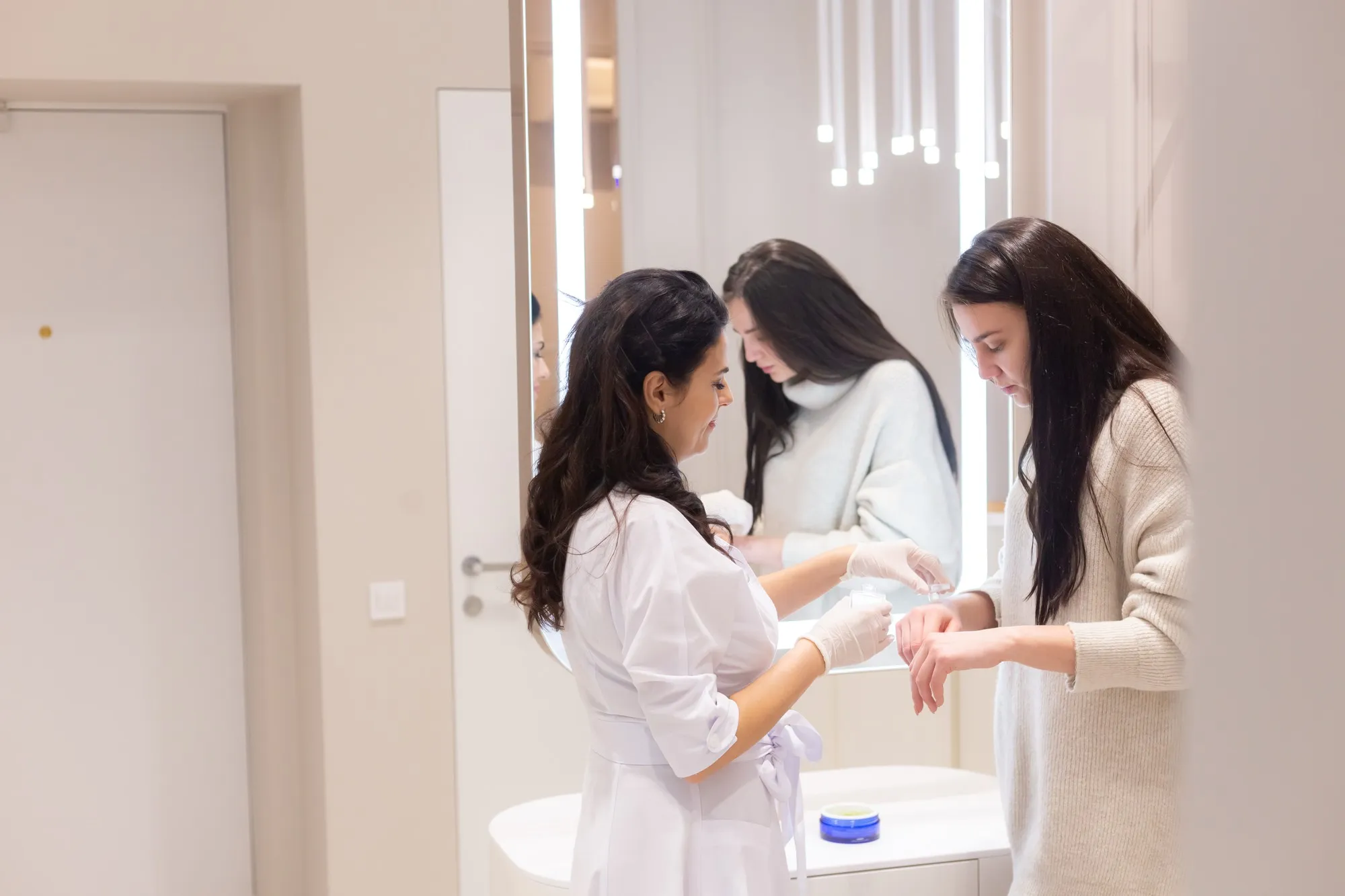
Separating consultation rooms from treatment spaces helps improve flow and scheduling clarity. Discussions, assessments, and consent processes can take place without occupying treatment rooms, allowing procedures to start on time.
Dedicated consultation areas also support privacy and focused conversations. Patients can ask questions and receive explanations without feeling rushed, while treatment rooms remain prepared and ready. This structure keeps appointments organised and movement through the clinic more efficient.
21. Controlled Use Of Branding Elements
Branding is most effective when applied with intention rather than repetition. Placing logos, colours, and visual identity elements in selected areas such as reception or consultation spaces helps reinforce recognition without overwhelming the environment. Limiting branding in treatment zones keeps these areas calm and distraction free.
A controlled approach ensures that design remains cohesive and professional. Patients recognise the identity of the clinic while still experiencing a focused and reassuring setting during procedures. Strategic placement of branding supports clarity and comfort throughout the journey.
22. Seamless Flooring Transitions Between Zones
Using the same or closely matched flooring across different areas helps maintain visual continuity throughout the clinic.
When flooring transitions are seamless, patients move more confidently from one zone to another without pausing or feeling uncertain about boundaries. Uninterrupted surfaces naturally guide movement and reduce hesitation in corridors and shared spaces.
Consistent flooring also improves safety and comfort. Changes in level or material can cause people to slow down or become cautious, which disrupts flow. A continuous surface supports smoother transitions and a more intuitive journey through the clinic.
23. Hidden Wiring And Cable Management Systems
Concealed wiring plays an important role in maintaining a safe and orderly environment. Exposed cables along walls, counters, or floors create visual clutter and increase the risk of trips or accidental disconnection. Proper cable management keeps all wiring hidden within walls, cabinetry, or dedicated channels.
This approach supports smoother navigation for both patients and staff. Clear movement paths remain unobstructed, allowing people to move freely without distraction or concern. A tidy setup also reinforces a sense of professionalism and attention to detail throughout the space.
24. Closed Storage For Personal Items
Providing closed storage for personal belongings helps keep work areas organised and efficient. Designated lockers or cupboards allow staff to store bags, jackets, and personal items away from treatment and consultation spaces. This prevents personal belongings from encroaching on functional zones.
Keeping these items out of sight supports a cleaner and more focused environment. Treatment areas remain uncluttered, making it easier to maintain order and efficiency during daily routines. Clear separation between personal storage and workspaces contributes to smoother operations overall.
25. Dedicated Prep Rooms For Treatments
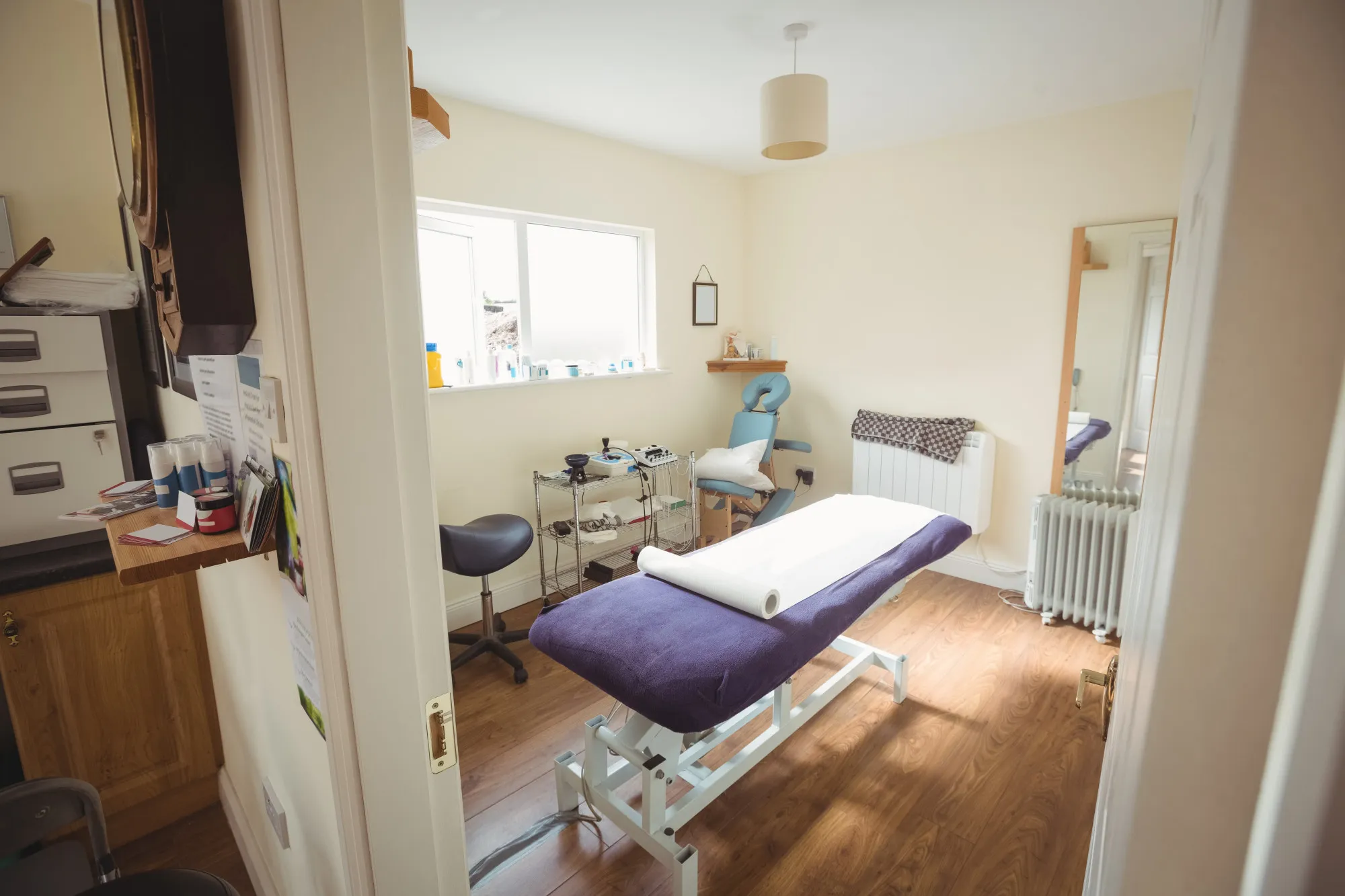
Dedicated prep rooms allow treatment spaces to remain focused solely on procedures. When preparation tasks such as equipment setup, product organisation, and pre-treatment checks are handled separately, treatment rooms are ready as soon as patients arrive. This reduces idle time and prevents delays caused by last-minute preparation.
Prep rooms also support faster turnover between appointments. Staff can reset and prepare efficiently without occupying treatment rooms longer than necessary. Over time, this separation improves scheduling accuracy and keeps the clinic running at a steady, reliable pace.
26. Reduced Use Of Mirrors In Treatment Areas
Limiting mirrors in treatment areas helps minimise visual distraction during procedures. Mirrors tend to draw attention and can make patients overly aware of ongoing treatments, which may increase anxiety or discomfort. Keeping mirrors out of these spaces allows patients to relax and remain still.
Mirrors are better placed in consultation or grooming zones where discussion, assessment, or post-treatment checks take place. This clear distinction supports focus in treatment rooms while still meeting practical needs elsewhere. The result is a calmer environment that supports both precision and comfort.
27. Minimal Signage With Clear Typography
Clear and minimal signage helps patients navigate the clinic without confusion. Using simple wording and legible typography allows directions to be understood at a glance. This reduces the need for verbal guidance and prevents unnecessary stops along circulation paths.
Avoiding excessive signs is equally important. Too many messages can overwhelm patients and slow movement as they pause to read. Concise signage placed at key decision points supports intuitive navigation and keeps traffic flowing smoothly throughout the space.
28. Calm Artwork Only In Transitional Areas
Artwork can enhance the overall atmosphere when placed in the right locations. Corridors, lounges, and waiting zones are ideal for calm and understated visuals that help patients relax as they move between appointments. These areas allow for gentle visual interest without competing with the focus required in clinical spaces.
Keeping artwork out of treatment rooms helps maintain a distraction free environment. Patients remain more at ease, and staff can work without visual interruptions. This balance supports mental comfort while preserving smooth and efficient workflows.
29. Uniform Ceiling Design Across Clinical Areas
Consistent ceiling design helps create a sense of continuity throughout clinical areas. When ceiling heights, finishes, and lighting treatments remain uniform, transitions between rooms feel seamless and predictable. This visual consistency reduces disruption as patients and staff move from one space to another.
A uniform ceiling also supports a calm and organised appearance. Without sudden changes in form or detail overhead, spaces feel more cohesive and easier to navigate. This contributes to a smoother visual experience that aligns with efficient movement.
30. Staff-Only Shortcuts Between Rooms
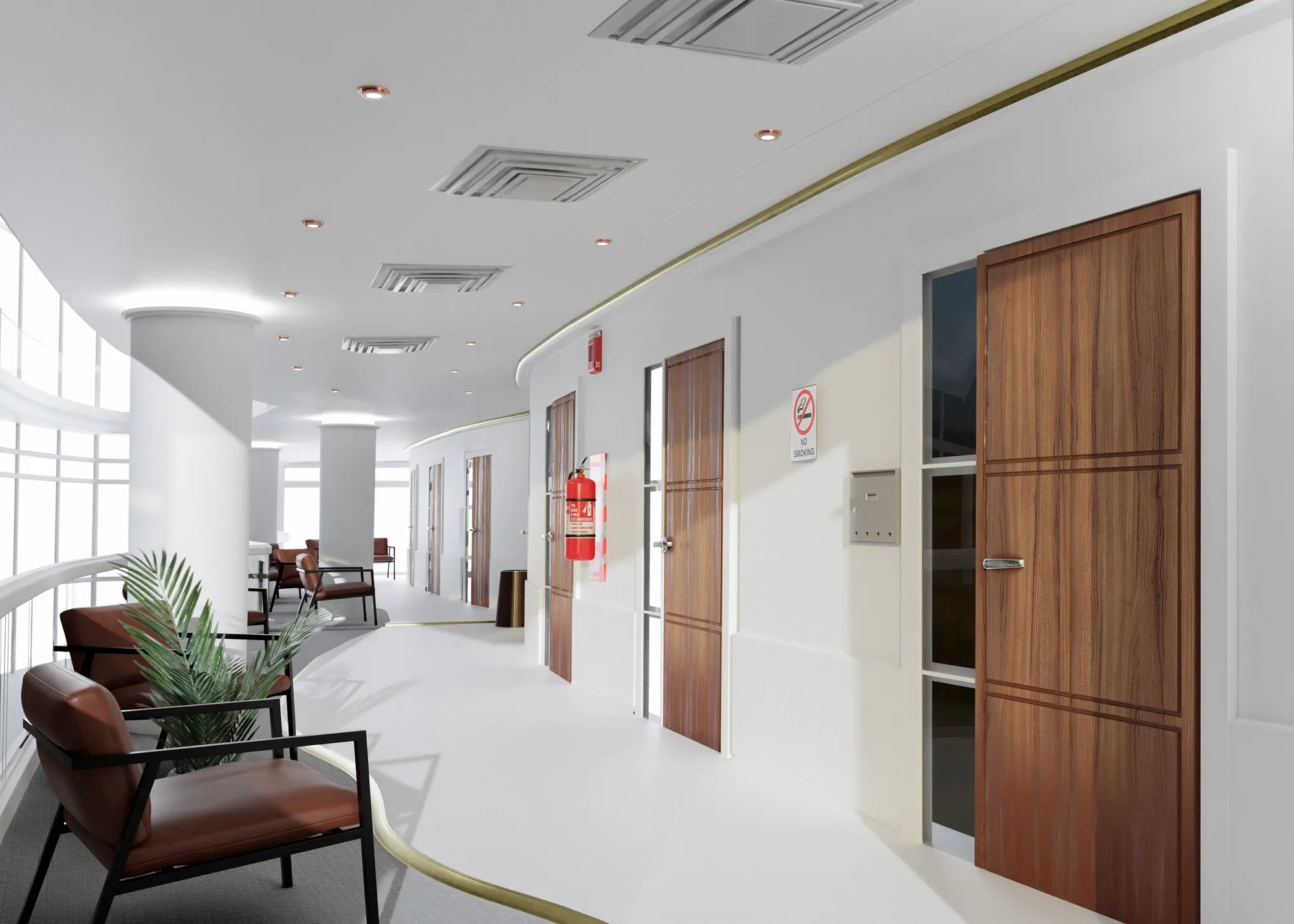
Internal shortcuts allow staff to move quickly between key areas without passing through public circulation routes. These connections make it easier to respond to patient needs, prepare rooms, or retrieve supplies without causing disruption. Movement remains efficient and discreet.
By separating staff movement from patient pathways, overall flow improves. Patients experience fewer interruptions, while staff benefit from reduced walking distances and faster response times. This thoughtful planning supports a more coordinated and effective clinic environment.
31. Separate Clean And Dirty Utility Zones
Separating clean and dirty utility zones helps maintain clear and efficient workflows. When sterilised tools, fresh supplies, and used items follow different paths, unnecessary cross-traffic is avoided. This separation supports better hygiene control and reduces the risk of mix-ups during busy periods.
Clear zoning also improves day-to-day efficiency. Staff can move through their tasks with confidence, knowing exactly where items should be handled and stored. This structured approach keeps operations smooth and supports a safer, more organised environment.
32. Controlled Natural Light With Blinds Or Screens
Natural light can enhance comfort, but it needs to be carefully managed. Blinds, screens, or frosted treatments help control daylight levels and prevent glare in sensitive areas. This ensures spaces remain bright without causing visual discomfort or distraction.
Balanced lighting also supports steady movement throughout the clinic. Patients can navigate spaces easily without squinting or pausing, while staff benefit from consistent visibility. Managing natural light thoughtfully contributes to a calm atmosphere and smoother circulation.
33. Consistent Room Layouts Across All Treatment Rooms
Keeping treatment rooms laid out in the same way helps staff work with greater confidence and speed. When equipment, storage, and furniture are positioned consistently, there is no need to pause and adjust to a new setup. This reduces preparation time and allows treatments to begin promptly.
Consistent layouts also support smoother coordination between team members. Anyone can step into a room and know exactly where items are located, which improves response time and overall efficiency. Over time, this familiarity contributes to a more reliable and well paced daily routine.
34. Simple Door Hardware And Finishes
Door hardware should support ease of use without drawing attention. Simple handles, hinges, and finishes allow doors to be opened and closed smoothly, even when hands are occupied. This reduces unnecessary delays and helps movement between spaces remain fluid.
Low maintenance finishes also play a practical role. Durable materials minimise wear and reduce the need for frequent repairs, keeping access points reliable. These small details help maintain consistent flow and reduce interruptions throughout the clinic.
35. Clear Visual Hierarchy Between Public And Clinical Zones
A clear visual hierarchy helps patients understand where they are and where they should go next. Stronger design cues such as brighter lighting or warmer finishes can define public areas, while more subdued tones signal entry into clinical zones. This contrast guides movement without relying heavily on signage.
Using materials and finishes intentionally also reinforces these transitions. Patients move more intuitively when spatial changes are clearly expressed, reducing hesitation and confusion. A well-defined hierarchy supports smoother circulation and a more confident experience throughout the clinic.
Conclusion About Skin Clinic Interior Design Ideas
In a commercial skin clinic, design decisions have a direct impact on how the business performs day to day. The right skin clinic interior design ideas do more than create a polished look.
They shape patient flow, shorten waiting times, reduce staff backtracking, and support smoother coordination between consultation, treatment, and support areas.
When layout, storage, lighting, and circulation are planned with intention, clinics operate with less friction and greater consistency. This alignment between aesthetics and operations allows teams to work more efficiently while patients experience a calmer, more professional journey through the space.
For clinic owners in Singapore, working with a design partner who understands both healthcare workflows and commercial realities is key. Yangs Design Associates, established in 2017, brings together experienced designers and contractors to deliver tailored solutions for commercial environments.
With services ranging from pre-lease planning and design consultancy to full design and build execution, the team focuses on creating spaces that look refined while supporting productivity and operational clarity.
If you are planning a new clinic or upgrading an existing one, contact Yangs Design Associates for a free consultation and non-obligatory quotation to turn strategy into a space that truly works.
Frequently Asked Questions About Skin Clinic Interior Design Ideas
Does Clinic Interior Design Have An Impact On Patient Perception Of Professionalism?
Yes, interior design strongly influences how professional a clinic feels from the moment a patient arrives. A well-organised layout, clean finishes, and coherent design signal competence, hygiene, and attention to detail. These cues help build trust before any consultation or treatment begins.
Is It Necessary For Skin Clinic Interior Design Ideas To Consider Staff Workflows Early On?
Absolutely, staff workflows should be addressed at the planning stage to avoid inefficiencies later. When treatment rooms, storage, and circulation paths are designed around daily routines, staff spend less time moving and more time delivering care.
Do Skin Clinic Interior Design Ideas Need To Change As Services Expand?
Yes, expanding services often introduce new equipment, treatment types, and staffing needs. Without design updates, existing layouts can become restrictive and slow down operations. Periodic design reviews help ensure the clinic continues to function efficiently as the business grows.
How Do Skin Clinic Interior Design Ideas Align With Branding Without Causing Distraction?
Branding is most effective when applied selectively in key touchpoints such as reception and consultation areas. Clinical zones are typically kept visually neutral to maintain focus and calm. This approach reinforces brand identity while preserving a professional treatment environment.
Can Skin Clinic Interior Design Ideas Influence Patient Comfort And Behaviour?
Yes, design choices play a significant role in how patients feel and move within a clinic. Calm colours, controlled lighting, and intuitive layouts encourage relaxed behaviour and smoother movement between spaces. This leads to a more positive experience and fewer delays caused by uncertainty or stress.

