

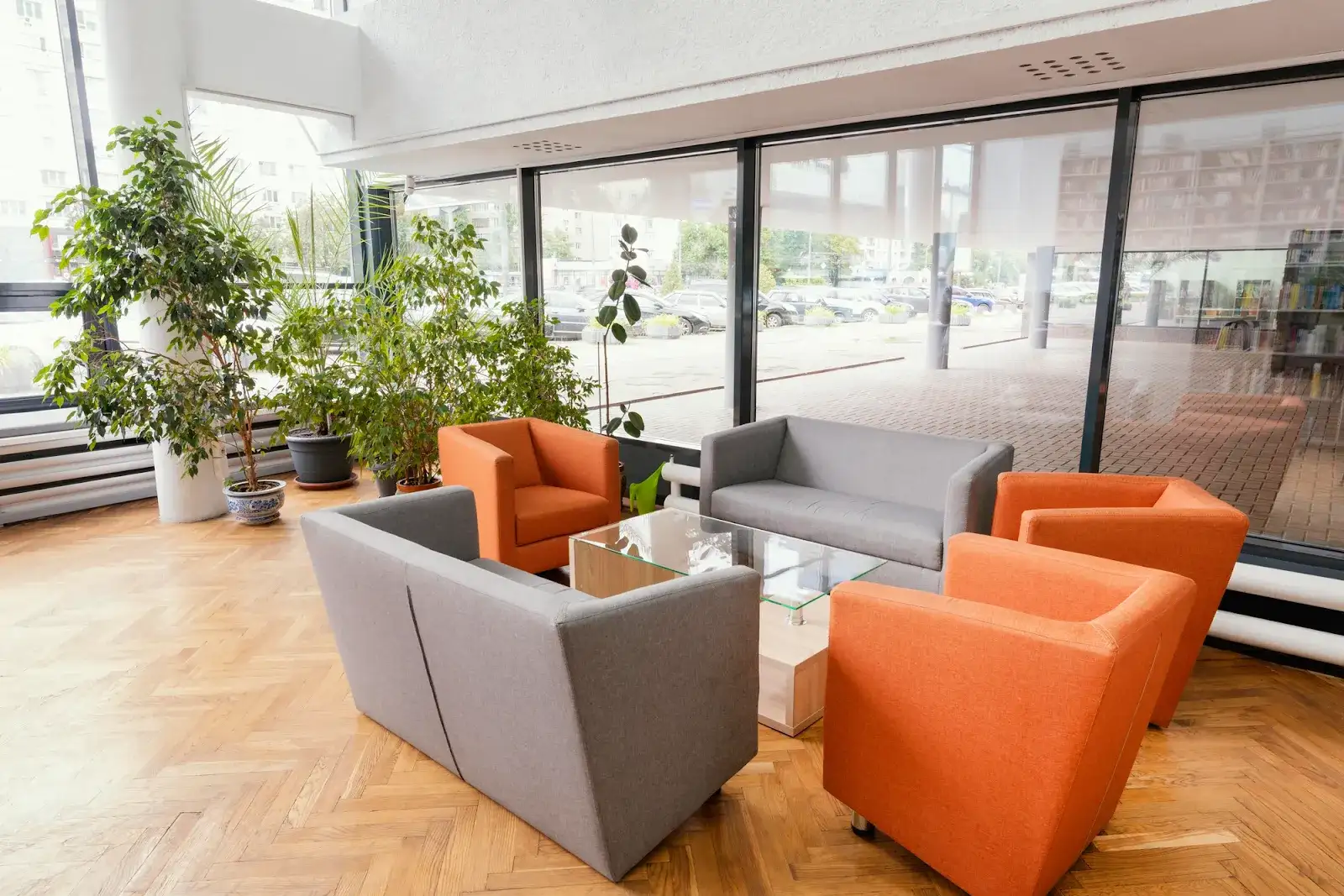
Modern contemporary interior design in Singapore has become a leading approach for transforming commercial offices into efficient, engaging, and future-ready environments.
Modern contemporary design offers the perfect balance of style and function, combining clean aesthetics with practical solutions that suit fast-paced corporate settings.
In this guide, we break down 20 impactful design ideas that help create offices which look impressive, work smarter, and keep employees motivated. Each concept is tailored to meet the evolving needs of Singapore’s modern commercial spaces.
1. Open And Flexible Office Layouts
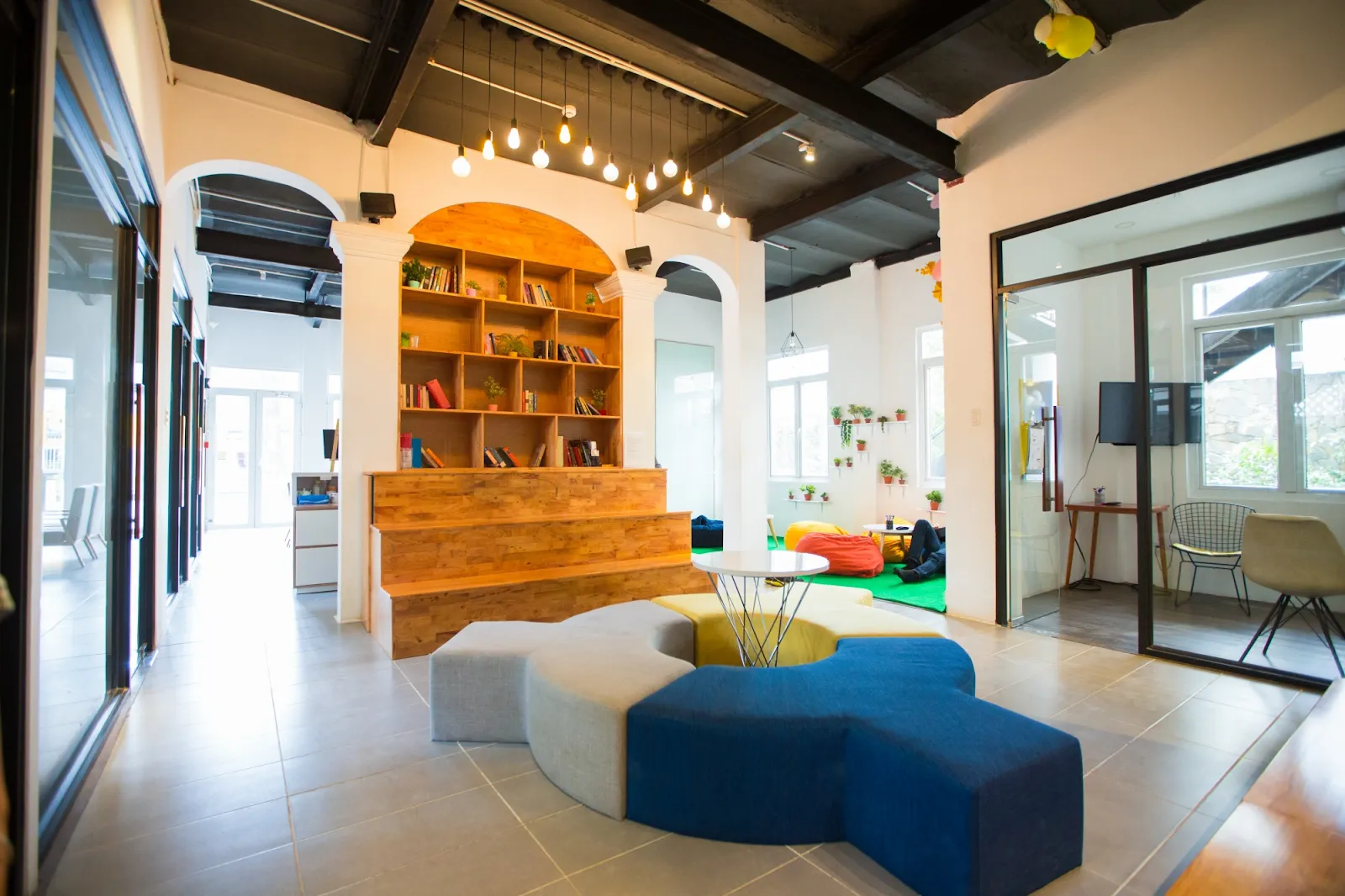
Open and flexible office layouts have become a defining feature of modern contemporary interior design, especially in Singapore’s fast-moving commercial landscape.
Businesses are shifting away from rigid, compartmentalised setups and embracing spaces that adapt easily to different work styles and team configurations. Open layouts promote stronger communication, smoother collaboration, and a clear visual flow that makes an office feel more spacious and connected.
Flexible arrangements, such as modular desks, movable partitions, and multi-purpose zones, allow companies to reconfigure their workspace as teams grow or priorities change. This approach not only enhances productivity but also ensures the workplace remains dynamic and future-ready.
2. Minimalist Design With Clean Lines
Minimalist design plays a key role in creating commercial offices that feel polished, organised, and highly professional. By reducing visual clutter and focusing on simple geometric forms, a minimalist approach helps teams stay focused and reduces distractions throughout the workday.
Clean-lined furniture, neutral palettes, and thoughtful storage solutions contribute to a workspace that looks refined while remaining practical. This design style also makes an office easier to maintain, supporting operational efficiency and portraying a strong, modern corporate image.
For businesses in Singapore aiming to present a confident and contemporary identity, minimalism delivers both aesthetic appeal and measurable functional benefits.
3. Neutral Color Palettes With Accent Tones
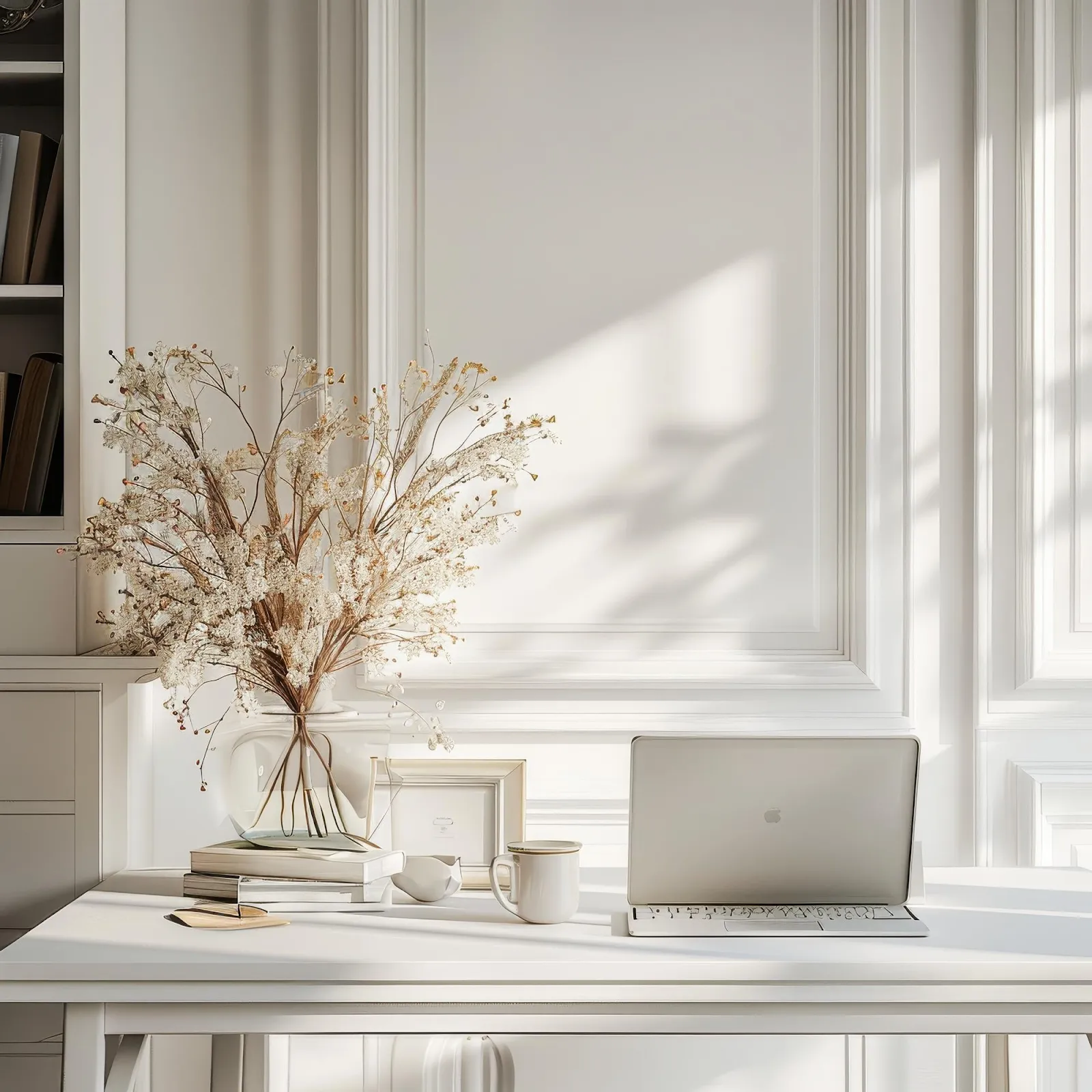
Neutral colour palettes form the backbone of modern contemporary interior design, giving commercial offices a calm, polished, and timeless foundation. Shades such as white, beige, taupe, grey, and soft earth tones create a refined backdrop that supports focus and allows key design elements to stand out.
To avoid a monotonous look, accent colours can be introduced through furnishings, feature walls, artwork, or branded décor.
These pops of colour help reinforce corporate identity, energise the workspace, and subtly influence mood and behaviour. With thoughtful use of colour psychology, offices can feel more inviting, boost morale, and promote the right kind of atmosphere for productivity.
4. Biophilic Elements (Plants, Natural Light)
Biophilic design has become a powerful tool for elevating both the look and function of commercial offices. By bringing elements of nature into the workplace, companies can create environments that feel fresher, healthier, and more uplifting.
Natural light, for instance, plays a crucial role in improving mood, reducing fatigue, and supporting overall well-being. Indoor greenery, such as potted plants, living walls, and planter partitions, adds warmth and visual interest while also helping to purify the air.
Incorporating organic materials like wood, stone, and natural fibres further enhances the sense of calm and connection.
For businesses in Singapore seeking to improve employee comfort and productivity, biophilic elements offer a practical and visually appealing solution that aligns perfectly with modern contemporary design principles.
5. Ergonomic And Modular Furniture
Ergonomic and modular furniture has become a cornerstone of modern contemporary office design, offering a blend of comfort, adaptability, and long-term value. Ergonomic seating supports proper posture and reduces strain, helping employees stay comfortable throughout the day.
Height-adjustable desks give teams the flexibility to alternate between sitting and standing, promoting better circulation and increased alertness.
Modular furniture systems, such as reconfigurable desks, mobile storage, and multi-functional tables, allow organisations to reshape their workspace quickly as teams grow or project needs shift.
For business owners in Singapore aiming to enhance staff well-being and operational efficiency, ergonomic investments pay off through improved productivity, fewer health issues, and a more agile office environment.
6. Layered Lighting (Ambient, Task, Accent)
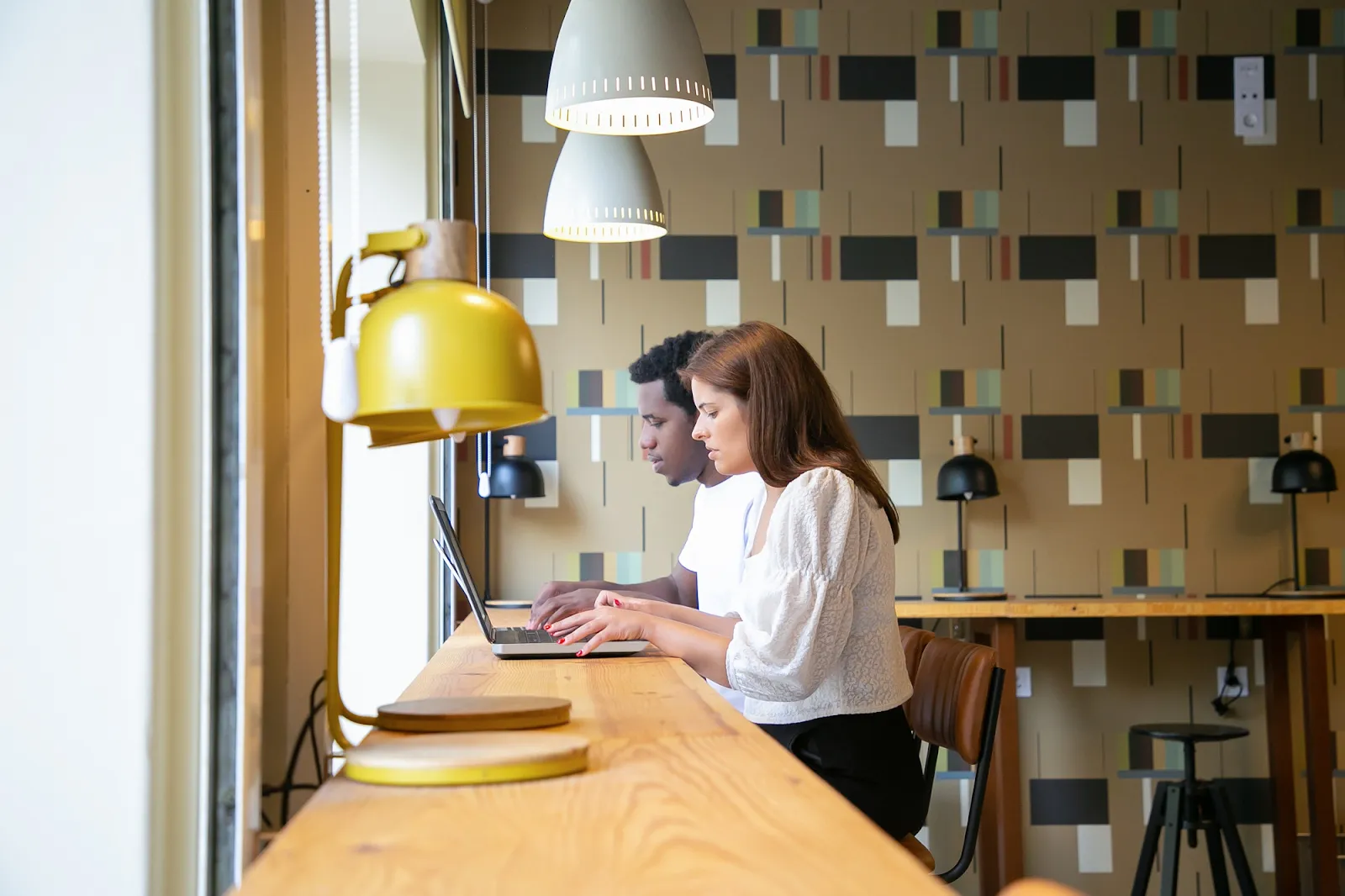
Layered lighting plays a vital role in shaping both the functionality and atmosphere of a modern commercial office. Ambient lighting provides general illumination, ensuring that the entire workspace feels bright and welcoming.
Task lighting offers focused support for activities that require precision, such as reading, writing, or computer work, helping employees stay productive without visual strain. Accent lighting adds depth and character, highlighting architectural features, artwork, or branded elements to elevate the overall design.
By combining these three layers, offices achieve a balanced lighting environment that enhances mood, improves comfort, and showcases the space at its best. For Singapore workplaces looking to project professionalism while supporting everyday tasks, layered lighting is an essential design strategy.
7. Glass Partitions And Transparent Materials
Glass partitions have become a defining feature of modern contemporary office design, offering an elegant balance between openness and privacy. They create clear visual connections across the workspace, encouraging transparency and improving communication among teams.
At the same time, frosted or acoustic glass can be used to maintain confidentiality where needed, such as in meeting rooms or executive areas. One of the biggest advantages is their ability to maximise daylight distribution, allowing natural light to flow deeper into the office and uplift the overall environment.
For businesses in Singapore aiming to project professionalism and collaboration, glass elements provide a sleek, future-ready solution that enhances both aesthetics and performance.
8. Aesthetic–Functional Balance
Achieving the right balance between appearance and practicality is at the heart of modern contemporary interior design. Beautiful spaces are important, but in a commercial office, every design choice must also support workflow, comfort, and efficiency.
This section focuses on how curated colours, furnishings, and décor can elevate visual appeal while still serving the daily needs of employees.
From storage that blends seamlessly into the design to layouts that promote better movement and communication, contemporary offices prioritise solutions that look good and work hard.
Singapore businesses increasingly value this balance, recognising that a well-designed workplace not only impresses clients but also drives measurable improvements in productivity and staff satisfaction.
9. Lounge And Informal Meeting Zones
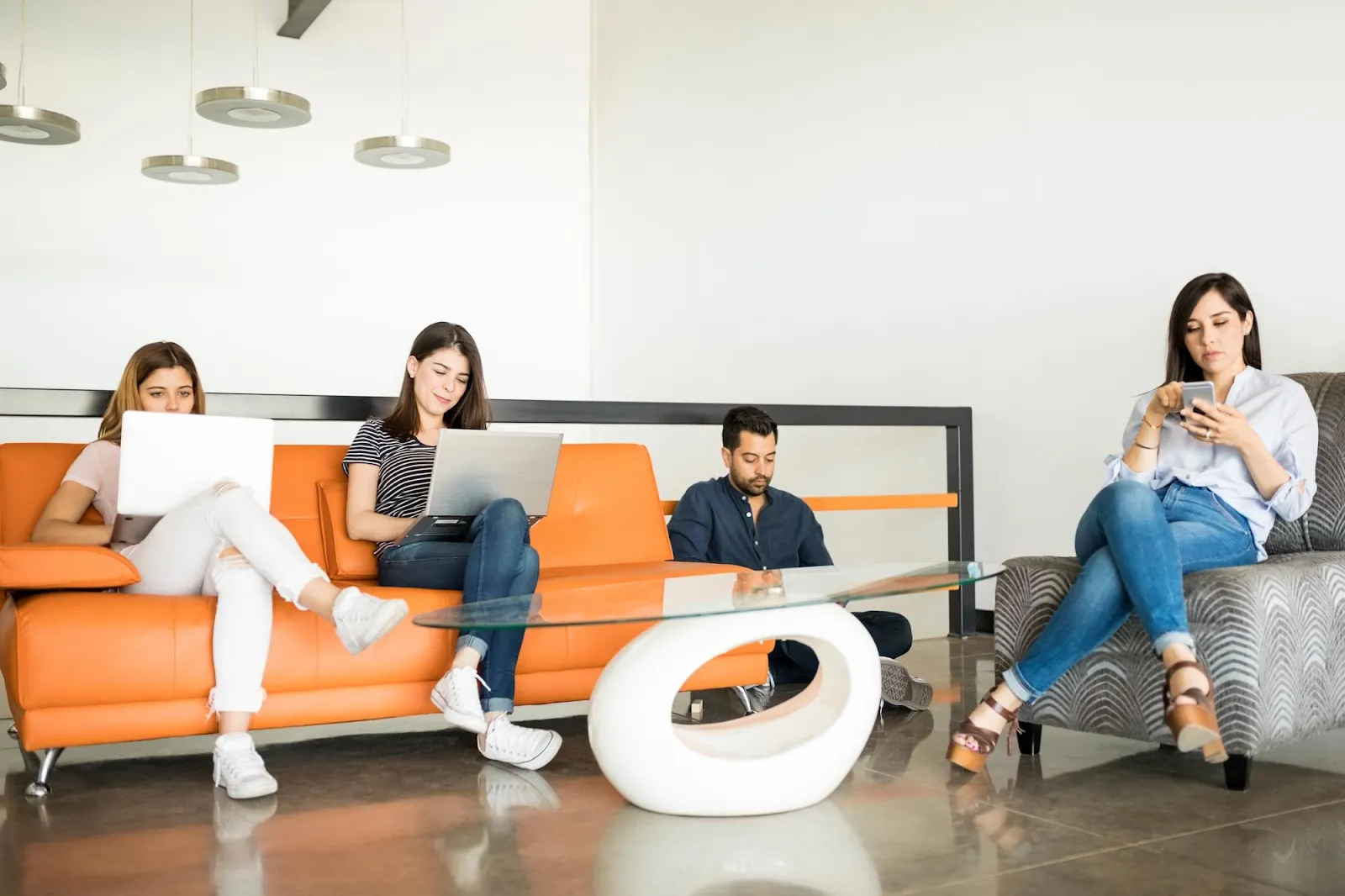
Lounge areas and informal meeting zones have become essential features in contemporary office design, especially in workplaces that value collaboration and creativity.
These casual spaces encourage spontaneous conversations, quick brainstorming sessions, and team bonding without the formality of traditional meeting rooms. Comfortable seating, soft furnishings, and relaxed layouts help employees feel at ease, creating an environment where ideas can flow more naturally.
These zones also contribute to a stronger workplace culture by giving teams a place to recharge, connect, and engage in more meaningful interactions. For Singapore businesses aiming to foster innovation and strengthen team dynamics, well-designed lounge spaces offer both practical and cultural advantages.
10. Smart Technology Integration
Smart technology plays a central role in elevating the modern commercial office, making day-to-day operations smoother and more efficient.
From automated lighting systems that adjust based on occupancy to IoT-enabled devices that streamline communication, technology transforms how employees interact with their workspace.
Advanced AV solutions support seamless virtual meetings, while smart climate controls create a more comfortable working environment with minimal effort. These tools not only improve convenience but also enhance connectivity and collaboration, especially in hybrid work settings.
For forward-thinking businesses in Singapore, integrating smart technology is a strategic step towards creating a responsive, future-ready office that supports productivity at every level.
11. Sustainable And Eco-Friendly Materials
Sustainability has become a defining aspect of modern contemporary interior design, especially as businesses recognise the long-term benefits of environmentally responsible choices.
Eco-friendly materials, such as recycled timber, low-VOC paints, and sustainably sourced furnishings, help create healthier and more efficient work environments.
Energy-efficient lighting, motion sensors, and smart climate systems also play a crucial role in reducing operational costs while supporting green initiatives. Low-waste construction methods and durable, long-lasting finishes further contribute to a more sustainable office lifecycle.
For companies in Singapore, adopting eco-conscious materials is not just a trend; it reflects a commitment to employee well-being, corporate responsibility, and future-proofing their workspace.
12. Acoustic And Privacy-Focused Design
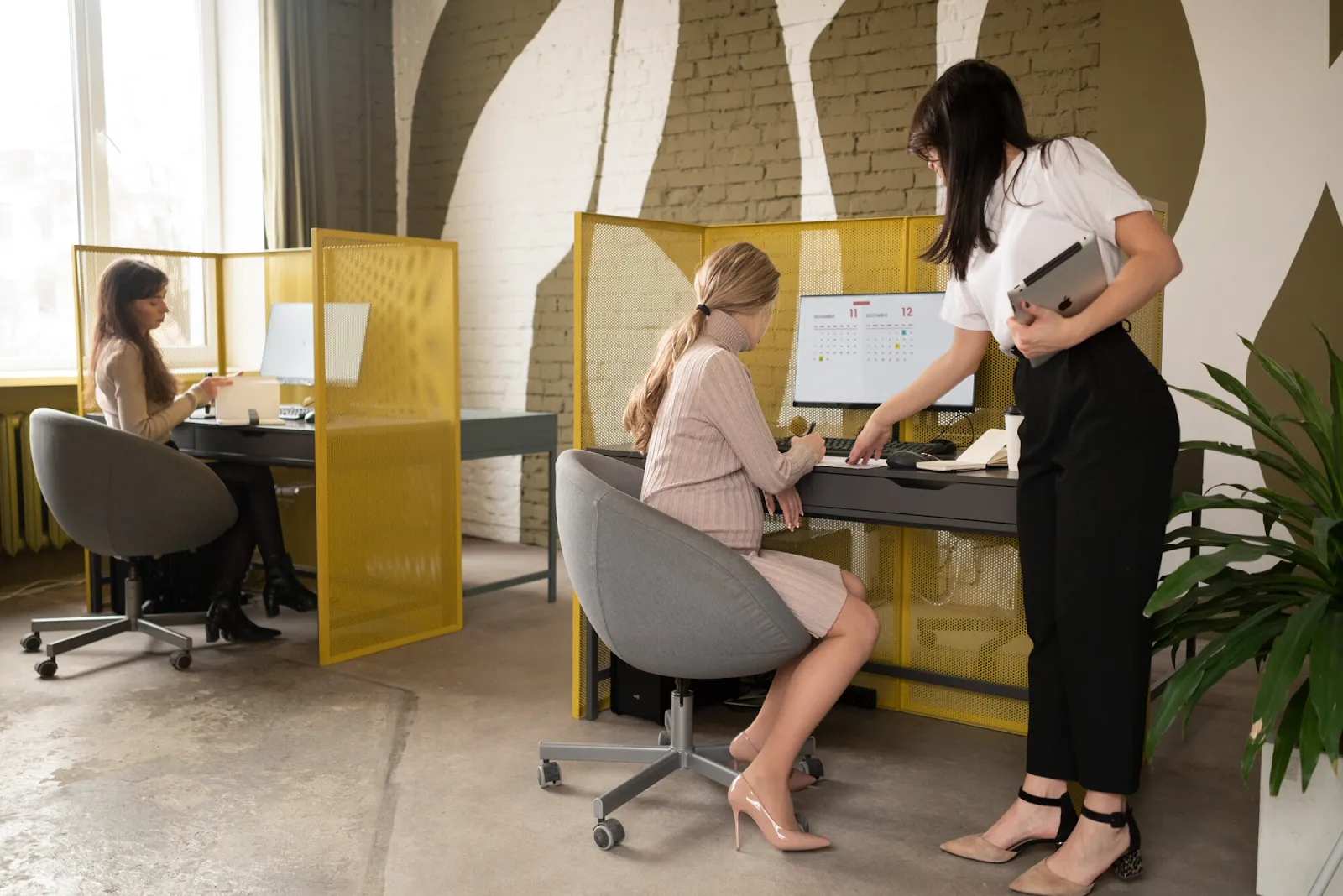
As open-plan offices continue to dominate commercial spaces, the need for proper acoustic control has never been more important. Acoustic panels, insulated partitions, and sound-absorbing materials help reduce distractions and create a more focused working environment.
Dedicated phone booths or quiet pods provide employees with private areas for calls, deep work, or sensitive discussions. This thoughtful approach allows companies to maintain the openness and collaborative energy of modern layouts while still offering spaces where concentration is prioritised.
For Singapore businesses looking to boost productivity and support varied workstyles, acoustic and privacy-focused design delivers a balanced, high-performance office environment.
13. Brand-Aligned Customisation
Brand-aligned customisation plays a crucial role in shaping a commercial office that feels distinct, memorable, and authentically connected to the company’s identity.
By incorporating brand colours, signature design elements, and curated décor, the workspace becomes an extension of the organisation’s values and personality.
Custom installations, such as feature walls, branded signage, or tailored furniture, create a strong visual presence that leaves a lasting impression on clients and visitors.
At the same time, employees feel a deeper sense of belonging when their environment reflects the brand they represent. For Singapore businesses aiming to strengthen culture and elevate brand perception, thoughtful customisation is a powerful design strategy.
14. Timeless Over Overly Trendy Aesthetics
Choosing timeless design elements over fleeting trends ensures that commercial offices remain relevant, functional, and visually appealing for years to come.
Modern contemporary design favours clean lines, quality materials, and versatile colour schemes, features that age gracefully and avoid the need for constant updates. This approach allows businesses to invest in pieces and finishes that offer long-term value instead of styles that quickly feel outdated.
By focusing on durability and classic simplicity, companies create workspaces that stay fresh even as design preferences evolve. For business owners in Singapore, opting for timeless aesthetics is both a practical and cost-effective choice that supports future growth and sustained workplace appeal.
15. Employee Wellness–Focused Design

Employee wellness has become a priority in modern contemporary office design, with companies recognising that a healthy workforce is also a productive one.
Wellness-focused interiors incorporate ergonomic workstations, height-adjustable desks, and supportive seating that reduce physical strain throughout the day. Natural materials, improved air quality systems, and strategic lighting also contribute to a more comfortable and uplifting work environment.
Thoughtful design choices, such as ample daylight, greenery, and calming colour palettes, help reduce stress and enhance mental well-being. For Singapore businesses looking to improve staff satisfaction and retention, prioritising wellness within the workspace is a practical investment with long-term rewards.
16. Zoning (Collaborative, Private, Social, Recharge)
Zoning is an essential strategy in creating a well-structured and efficient office, allowing different types of work to happen seamlessly within the same space.
Collaborative areas support teamwork and brainstorming, while private zones give employees quiet moments for deep focus or confidential tasks. Social hubs, like pantry corners or informal lounges, encourage casual interaction and relationship-building, strengthening workplace culture.
Recharge spaces offer employees a place to unwind, reset, and return to work feeling refreshed. By implementing purposeful zones, companies in Singapore can achieve a more organised, balanced, and high-performing workplace that caters to diverse working styles and daily needs.
17. Material Mixing (Wood, Metal, Glass, Textures)
Material mixing is a powerful design approach that brings depth, character, and sophistication to modern commercial offices. By thoughtfully combining wood, metal, glass, and textured surfaces, designers create visually rich environments that feel both contemporary and inviting.
Wood elements introduce warmth and comfort, metal accents add structure and refinement, and glass brings openness and clarity. Textured finishes, such as fabric panels, stone surfaces, or patterned laminates, enhance tactile appeal and elevate the overall aesthetic.
For businesses in Singapore seeking a workspace that reflects their brand style, material selection plays a crucial role in setting the right tone and creating a memorable, high-quality atmosphere.
18. Scalable Design For All Office Sizes
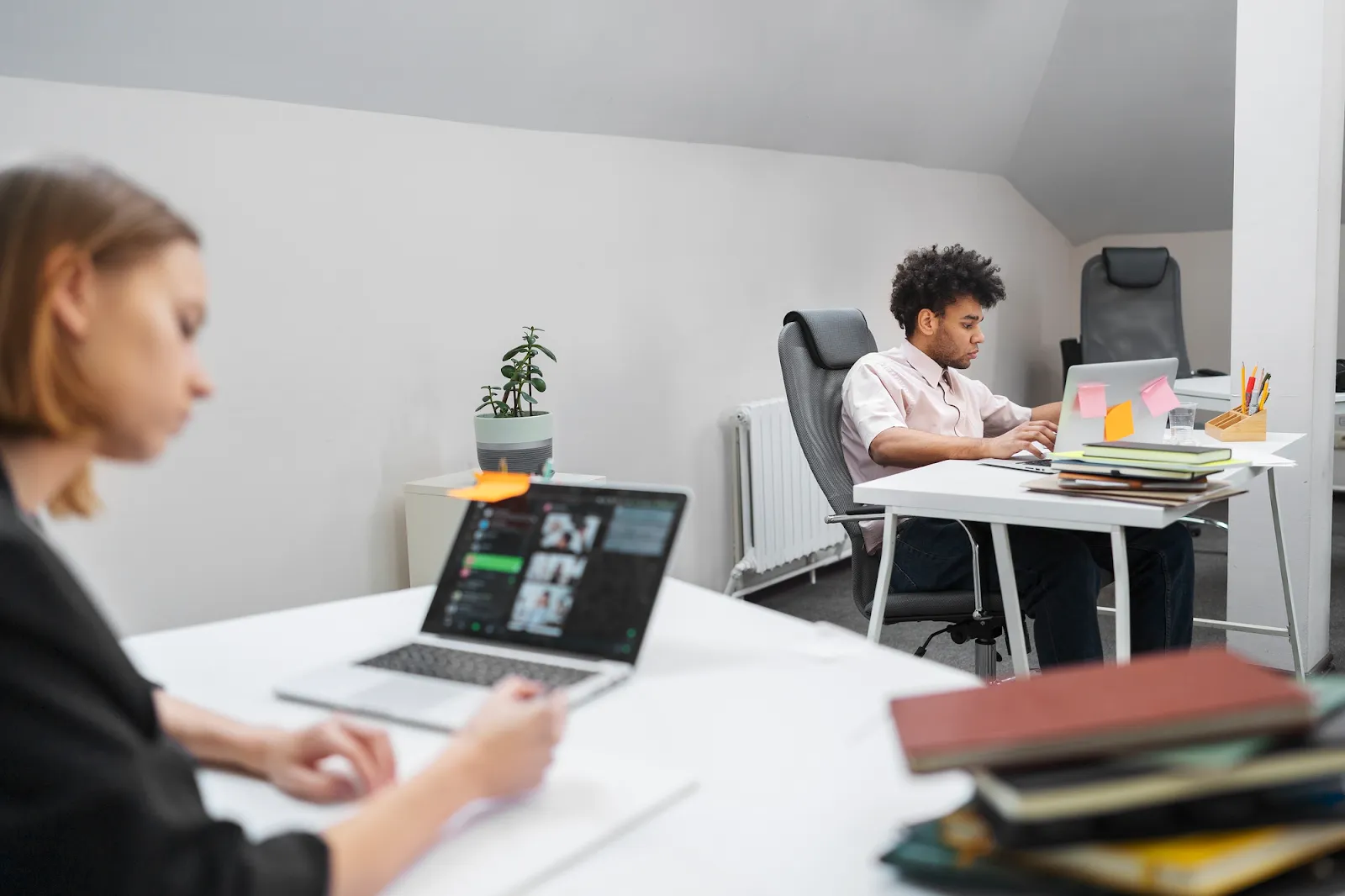
Scalable design ensures that modern contemporary principles can be applied effectively across offices of any size, from compact start-up units to expansive corporate headquarters.
By prioritising efficient layouts, multi-purpose furniture, and adaptable zones, companies can maximise every square foot without compromising comfort or functionality.
Small offices benefit from clever storage solutions and space-saving furnishings, while larger workplaces can incorporate specialised zones and more extensive collaborative areas.
The key is flexibility: a scalable design adapts as the business grows or shifts its operational priorities. For Singapore organisations navigating rapid expansion or evolving team structures, scalable design offers a practical, future-proof way to maintain a cohesive and high-performing workspace.
19. Hybrid-Work Adaptable Layouts
Hybrid-work adaptable layouts have become a priority for modern businesses, especially as teams increasingly split their time between the office and remote environments.
These layouts focus on flexibility through shared workstations, hot-desking areas, and multi-use rooms that easily transition from meetings to training sessions or collaborative discussions.
Collaboration technology, such as video conferencing tools, smart screens, and digital whiteboards, ensures seamless communication between on-site and remote staff.
Adaptable layouts also allow companies to scale up or reorganise as workforce patterns evolve. For Singapore organisations seeking agility and consistency in performance, hybrid-ready spaces provide a strategic advantage that keeps teams connected and productive.
20. Professional Yet Comfortable Spaces
Modern commercial offices are moving away from cold, overly corporate environments and embracing spaces that balance professionalism with comfort. This blend creates work settings that feel welcoming while still maintaining a polished, business-ready appearance.
Soft furnishings, warm lighting, ergonomic furniture, and thoughtfully curated décor all contribute to a more inviting atmosphere. These touches not only support productivity but also make everyday work more enjoyable, improving staff morale and client impressions.
For business owners in Singapore, designing an office that feels both refined and comfortable is an effective way to present a strong brand while fostering a positive experience for everyone who walks through the door.
Conclusion About Modern Contemporary Interior Design
Modern contemporary interior design in Singapore continues to reshape how commercial offices function, feel, and perform.
By applying the 20 design ideas covered in this guide, businesses can build environments that elevate productivity, strengthen brand identity, and create a workplace culture that employees are genuinely proud to be part of.
If you are ready to transform your office into a space that is both beautiful and purpose-driven, consider partnering with Yangs Design Associates.
Established in 2017, Yangs Design Associates is a leading interior design firm in Singapore that blends the creativity of seasoned designers with the technical expertise of experienced contractors.
Specialising in commercial spaces across Singapore’s vibrant business landscape, the firm offers comprehensive solutions including Pre-lease, Design & Build, Interior Design Consultancy, and Reinstatement services.
With a strong focus on aesthetics, functionality, and practicality, Yangs Design Associates designs spaces that not only look exceptional but also enhance workflow and boost employee productivity.
Their team understands the unique requirements of diverse industries, from corporate offices to retail, ensuring every project aligns with both the client’s vision and business objectives.
For business owners seeking a workspace that inspires success, reflects brand identity, and supports real-world performance, Yangs Design Associates is a trusted partner.
Book a free consultation or request a non-obligatory quotation today, and discover how your office can become a modern, dynamic environment where your team, and your business, can thrive.
Frequently Asked Questions About Modern Contemporary Interior Design
What Is Contemporary Interior Design?
Contemporary interior design refers to current, evolving design styles that prioritise clean lines, functional layouts, modern materials, and employee-centred spaces. In offices, it focuses on flexibility, comfort, and efficiency.
How Does Modern Contemporary Interior Design In Singapore Differ From Traditional Office Design?
Traditional offices often use rigid cubicles and conservative aesthetics, whereas modern contemporary offices emphasise open layouts, natural light, ergonomic furniture, and a balance of style and functionality.
Is Modern Contemporary Interior Design Suitable For Small Offices In Singapore?
Yes. Its emphasis on clean layouts, space-saving furniture, and natural light makes it ideal for compact commercial spaces, helping smaller offices look more spacious and organised.
Does Modern Contemporary Interior Design Work For Large Corporate Spaces?
Yes. Its focus on flexible layouts, clean aesthetics, and strong zoning makes it highly effective for large offices that require well-organised flow and functional work areas.
Can Modern Contemporary Office Design Enhance Client Perception?
Yes. A polished, modern environment leaves a strong first impression, showcasing professionalism, innovation, and a brand that values quality.
Should Companies Prioritise Employee Input During The Design Process?
Yes. Employees provide valuable insights on workflow challenges, comfort needs, and daily routines. Involving them leads to a more efficient and supportive final design.

