

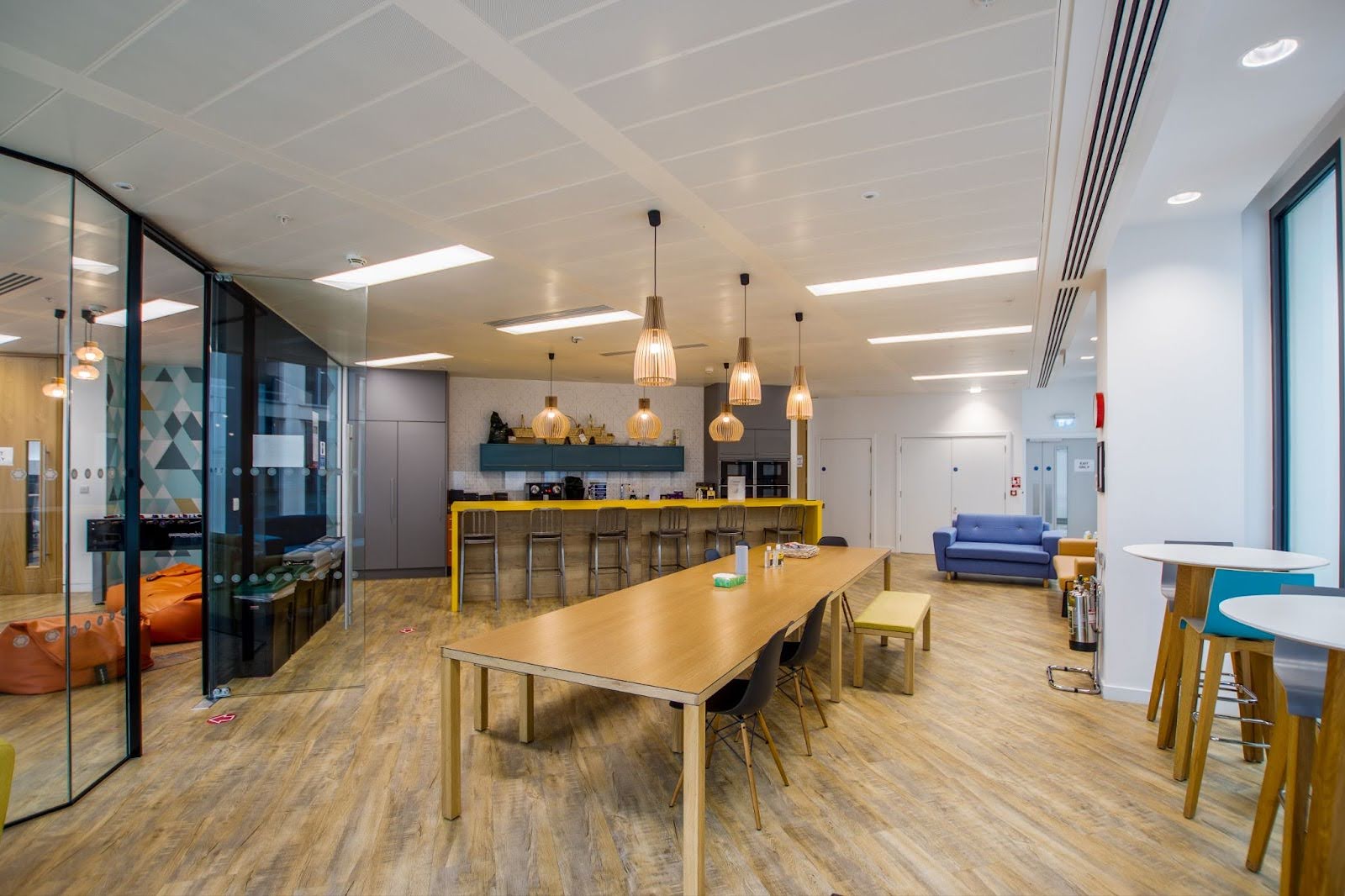
You can spend a fortune on an office space, only to realise it doesn’t support how your team or members actually work. In many coworking spaces, poor layouts lead to cramped seating, constant distractions, and limited opportunities for meaningful collaboration.
In a fast-paced business environment like Singapore, these issues can quickly affect productivity and member satisfaction.
Effective coworking space design goes beyond aesthetics. It focuses on functionality, flexibility, and comfort, creating environments that support different work styles throughout the day.
With the right coworking space design ideas, Singapore offices can balance collaboration and focus while making better use of every square metre.
In this guide, you’ll find practical, modern coworking space design ideas for Singapore offices, tailored for operators, business owners, and growing teams looking to create spaces people enjoy working in, and want to stay in.
1. Centralised Seating Arrangement
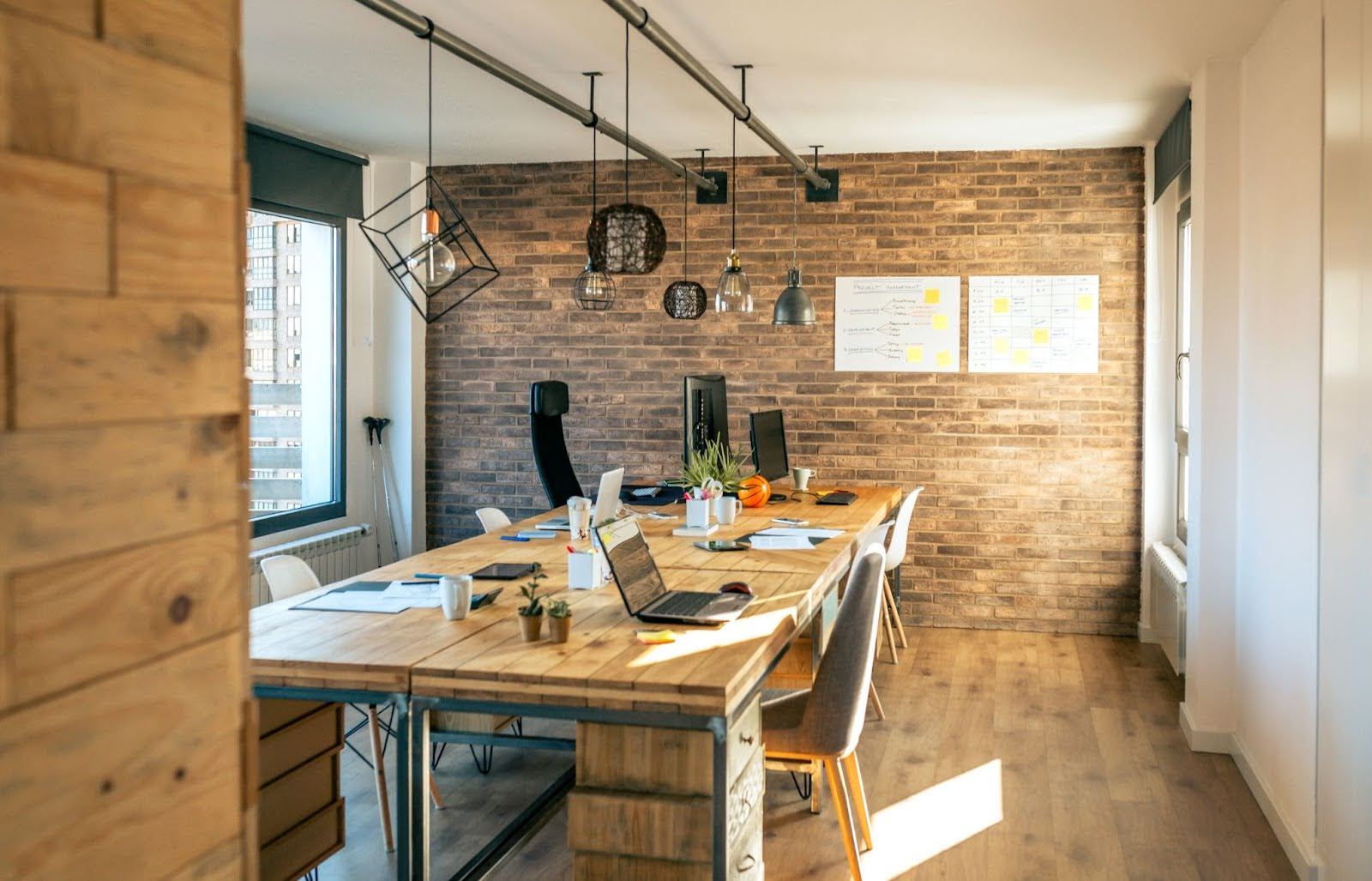
A centralised seating arrangement places teams around a shared hub to support communication, visibility, and day-to-day collaboration.
By bringing people closer together, this layout reduces unnecessary barriers and makes it easier for teams to exchange ideas, resolve issues quickly, and work more cohesively. In Singapore offices, where space efficiency and team agility matter, this approach supports faster decision-making and smoother workflows.
Rather than isolating employees in separate corners or enclosed desks, centralised seating keeps team members within easy reach of one another.
Managers and team leads become more approachable, which helps improve trust and reduce miscommunication. Over time, this layout encourages a stronger sense of community and shared ownership within the workspace.
To implement this effectively, central seating areas should be supported by nearby meeting rooms and breakout zones to allow privacy when required.
Shared tables with rounded or elongated layouts encourage interaction, while wide, well-planned walkways prevent congestion and maintain an open, organised environment. This setup works particularly well for startups and growing teams that value flexibility, speed, and collaboration.
2. Open Concept Layout
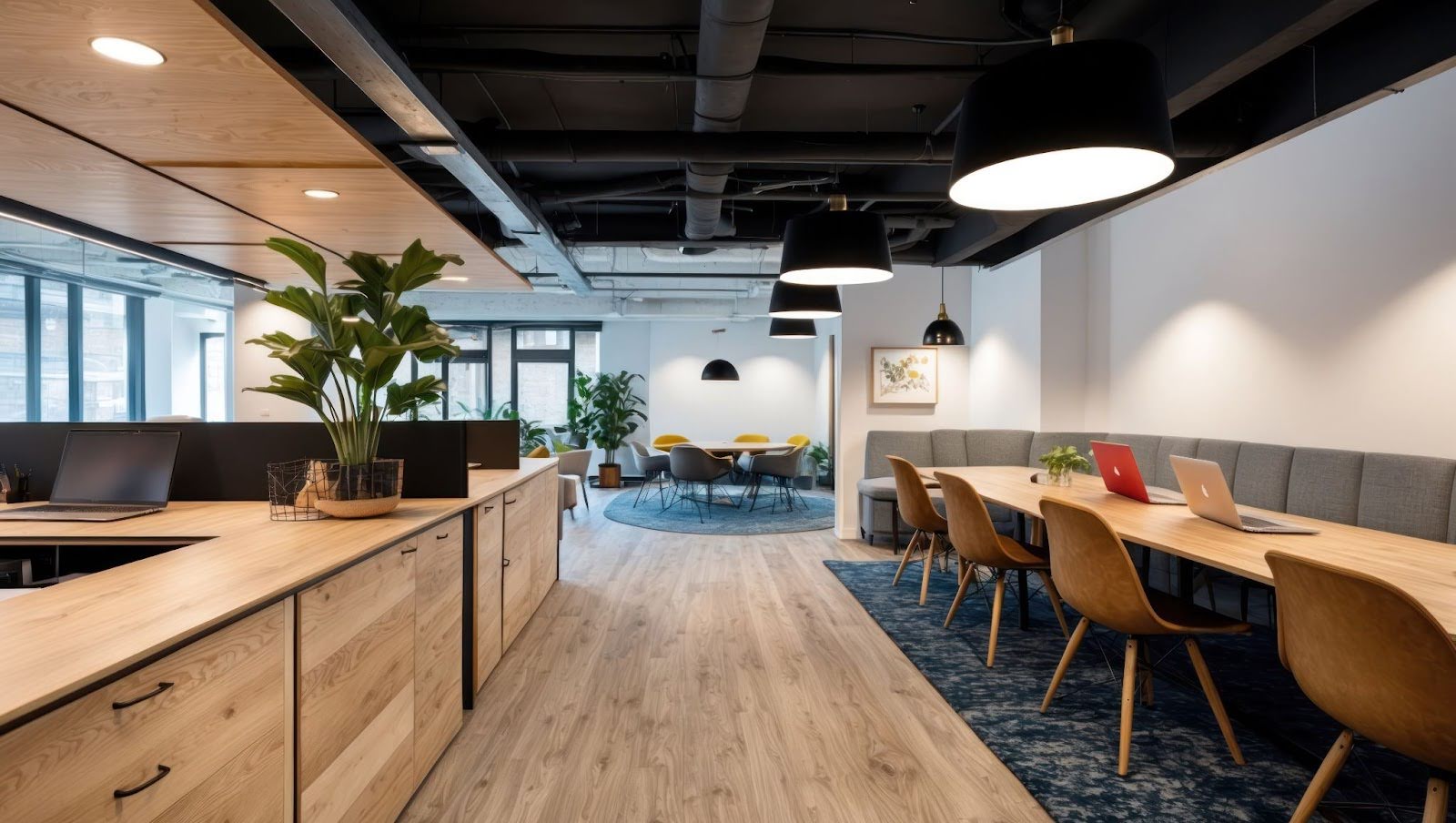
An open concept layout removes physical barriers to create a shared and flexible workspace that encourages interaction and idea sharing.
By eliminating unnecessary walls and cubicles, coworking spaces can feel more spacious and adaptable, even within compact Singapore office footprints. This layout supports both informal conversations and quick project discussions without relying heavily on formal meeting rooms.
Open layouts also improve access to natural light, which helps enhance mood, energy levels, and overall comfort throughout the day. When people can see and engage with one another easily, collaboration becomes more natural and spontaneous, supporting a more connected and dynamic working culture.
To ensure productivity is not compromised, open layouts should be balanced with quiet zones and private pods for focused work or confidential calls. Low-profile furniture, glass partitions, and soft furnishings can help define different areas while maintaining openness.
When planned carefully, open concept layouts deliver both collaboration and comfort in modern coworking environments.
3. Biophilic Elements
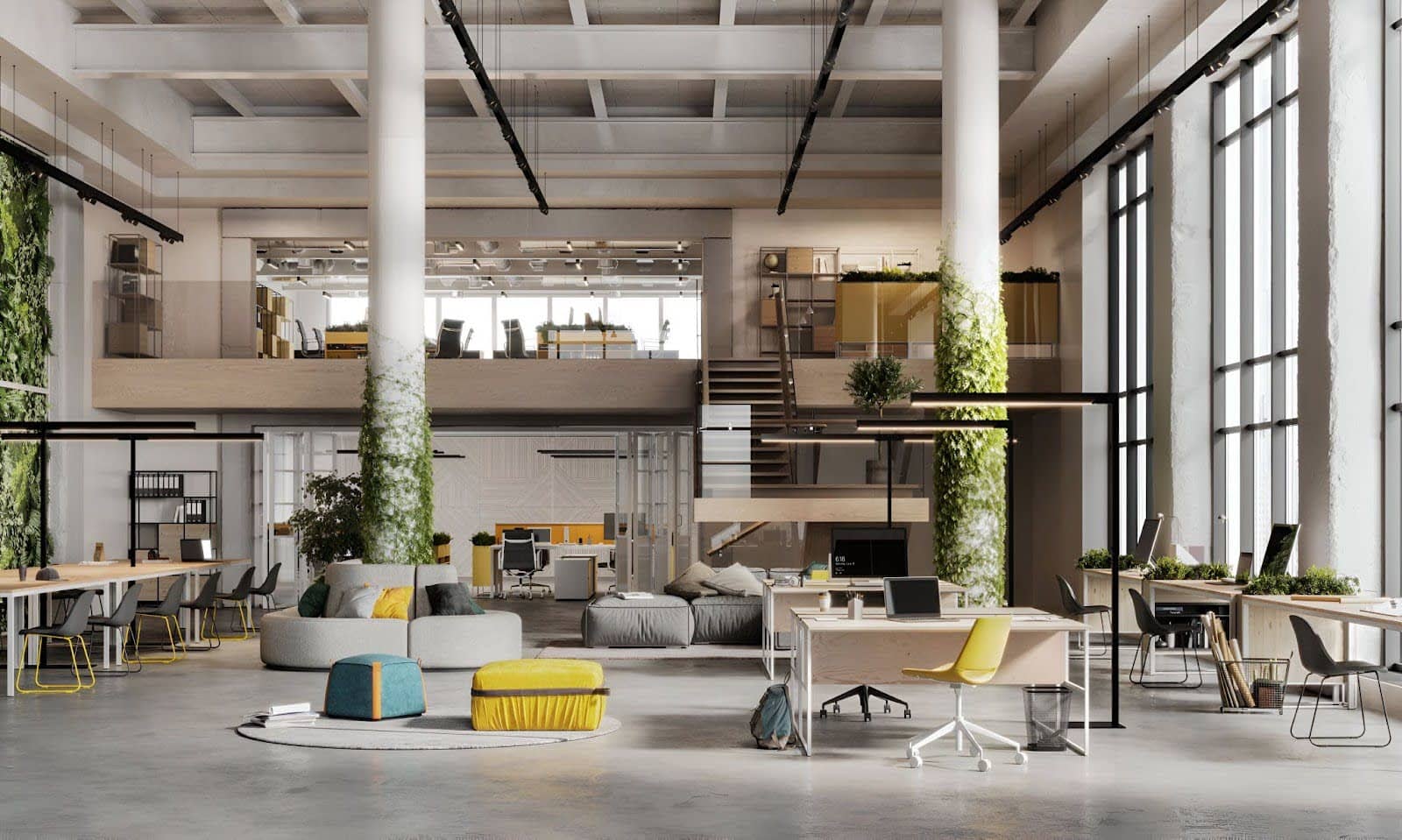
Biophilic elements introduce natural materials and greenery into the workspace to support wellness, focus, and visual comfort.
Features such as plants, wood finishes, and natural light help create a calmer environment that counterbalances the fast-paced nature of coworking spaces. This approach is especially valuable in Singapore offices, where teams often spend long hours indoors.
Work environments that incorporate natural elements tend to reduce stress and support sustained concentration.
Access to greenery and daylight has been shown to improve mental clarity and overall well-being, which can positively influence productivity and job satisfaction. Improved air quality from indoor plants also contributes to a healthier workplace.
Biophilic design can be implemented in practical and scalable ways. Potted plants, vertical gardens, and eco-walls work well in both shared and private areas, while natural materials such as wood or stone add warmth to desks and flooring.
Positioning workstations near windows and using glass walls helps maximise daylight and strengthen the connection to the outdoors.
4. Flexible Furniture Setups
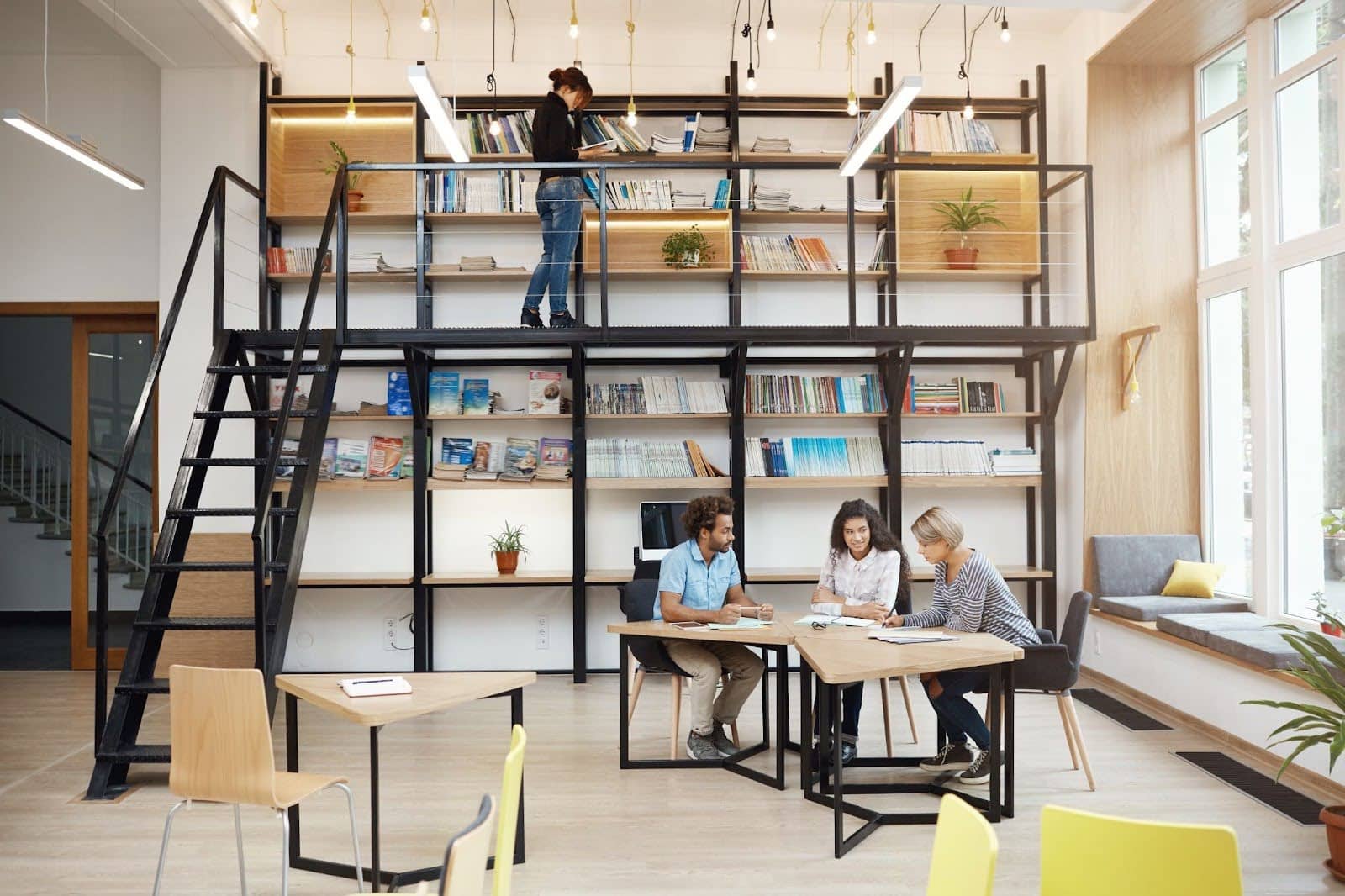
Flexible furniture setups use movable and modular pieces that adapt easily to changing team needs and daily activities. Instead of fixed desks and rigid layouts, this approach allows coworking spaces to shift between collaboration, focused work, and events with minimal disruption.
For Singapore offices, where space must work harder, flexible furniture helps maximise usability without increasing floor area.
By allowing users to rearrange their environment based on the task at hand, flexible setups support a wide range of work styles.
Growing teams, freelancers, and rotating project groups benefit from spaces that can be reconfigured quickly, keeping the office responsive rather than restrictive. This adaptability also helps operators support multiple functions within the same zone throughout the day.
To implement this effectively, coworking spaces can use stackable chairs, folding tables, and mobile whiteboards that are easy to store and move.
Ergonomic hot desks with plug-and-play access ensure comfort and efficiency, while lounge seating and modular pods near windows or breakout zones add variety without compromising layout flexibility.
5. Stylish, Elevated Pantries
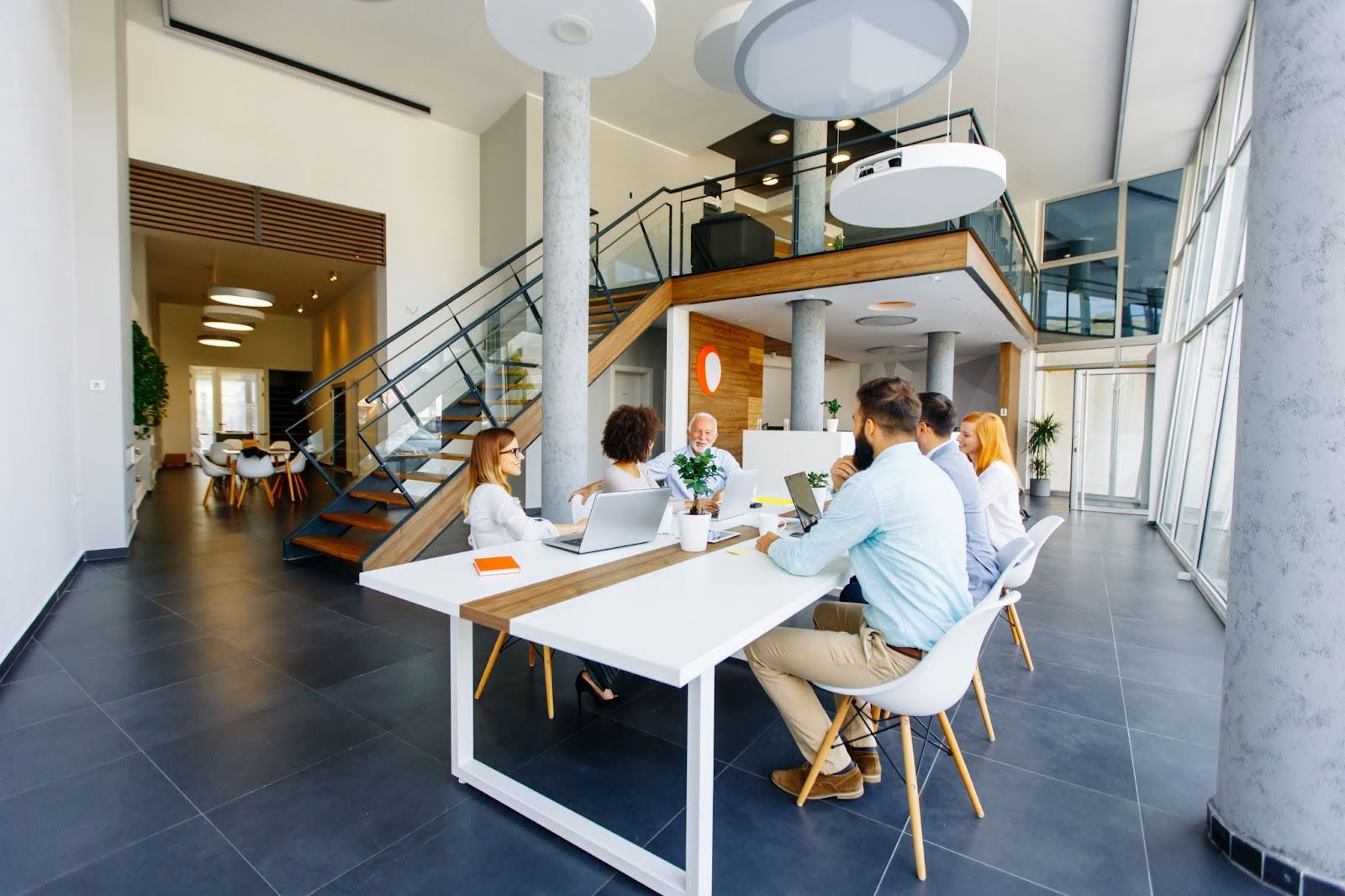
Stylish, elevated pantries go beyond basic kitchen functions to become social anchors within a coworking space.
Designed thoughtfully, these areas support relaxation, informal conversations, and meaningful connections between members. In Singapore coworking environments, a well-planned pantry adds value by encouraging interaction without disrupting work zones.
A welcoming pantry often becomes a natural gathering point throughout the day. Coffee breaks and casual meals create opportunities for spontaneous discussions that can lead to collaboration or new ideas.
By offering a comfortable and inviting environment, pantries also improve member satisfaction, particularly for those spending long hours in the office.
Effective pantry design focuses on comfort and atmosphere as much as function. Lounge seating, bar stools, and shared tables encourage interaction, while materials such as wood, marble, or metallic finishes create a café-style experience.
Stocking practical amenities and healthy refreshments ensures the space remains both attractive and useful.
6. Luxurious Lounge Areas
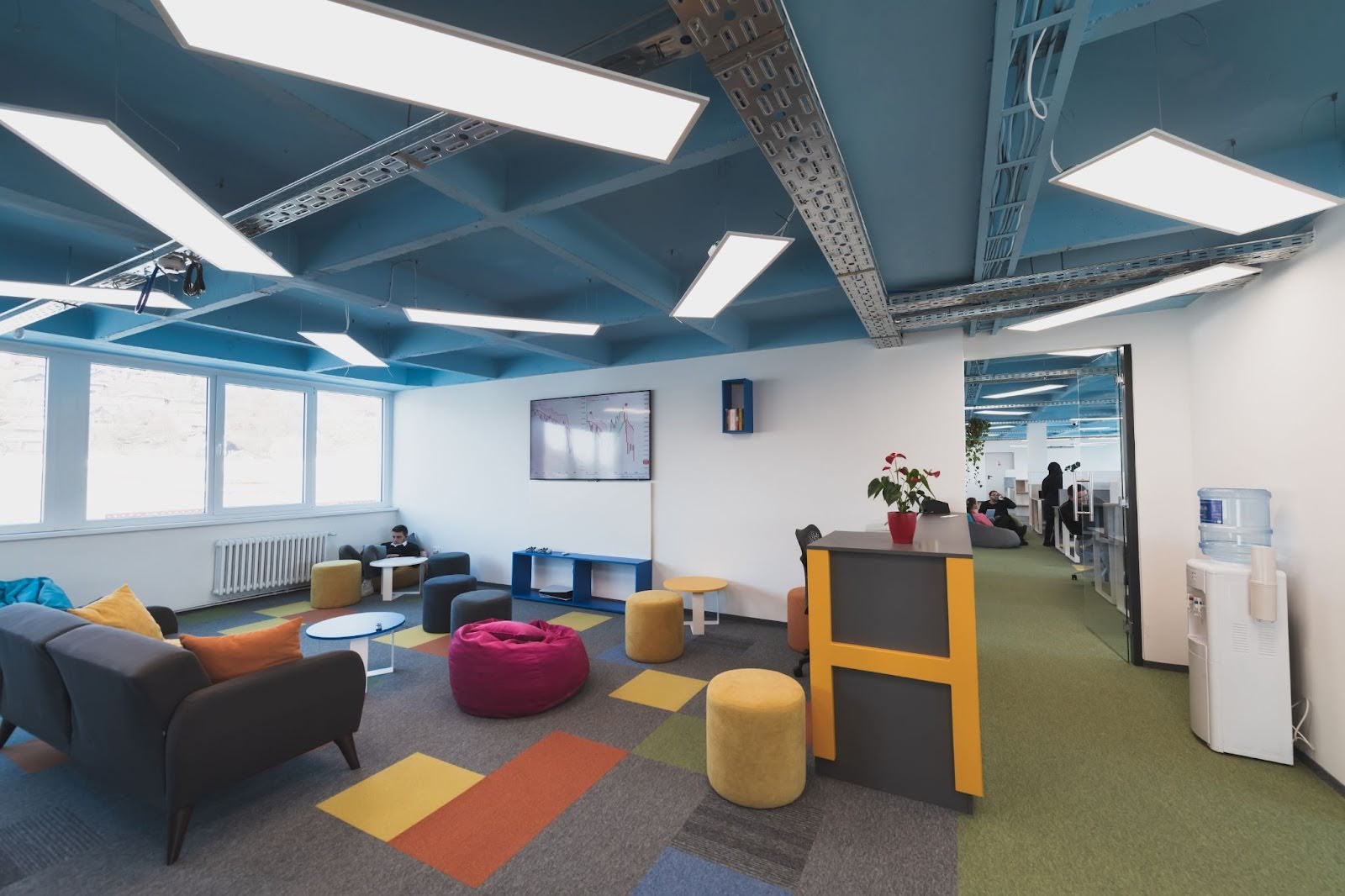
Luxurious lounge areas introduce a sense of comfort and refinement into the coworking environment. These spaces provide members with a place to relax, recharge, or hold informal meetings in a setting that feels professional yet welcoming.
Adding well-designed lounges helps coworking spaces stand out by offering an experience similar to hospitality environments.
Beyond aesthetics, lounge areas support mental well-being by giving people permission to step away from their desks and reset. Soft seating, warm colour palettes, and ambient lighting help reduce stress and create a more balanced workday.
These relaxed settings also encourage casual conversations, which often lead to stronger relationships and creative thinking.
Successful lounge design combines visual appeal with practical placement. Comfortable sofas, accent chairs, and large coffee tables create inviting seating arrangements, while rugs, floor lamps, and curated artwork add depth and character.
Positioning lounges near reception areas, pantries, or breakout zones ensures they remain accessible and well used.
7. Tech-Optimized Workstations
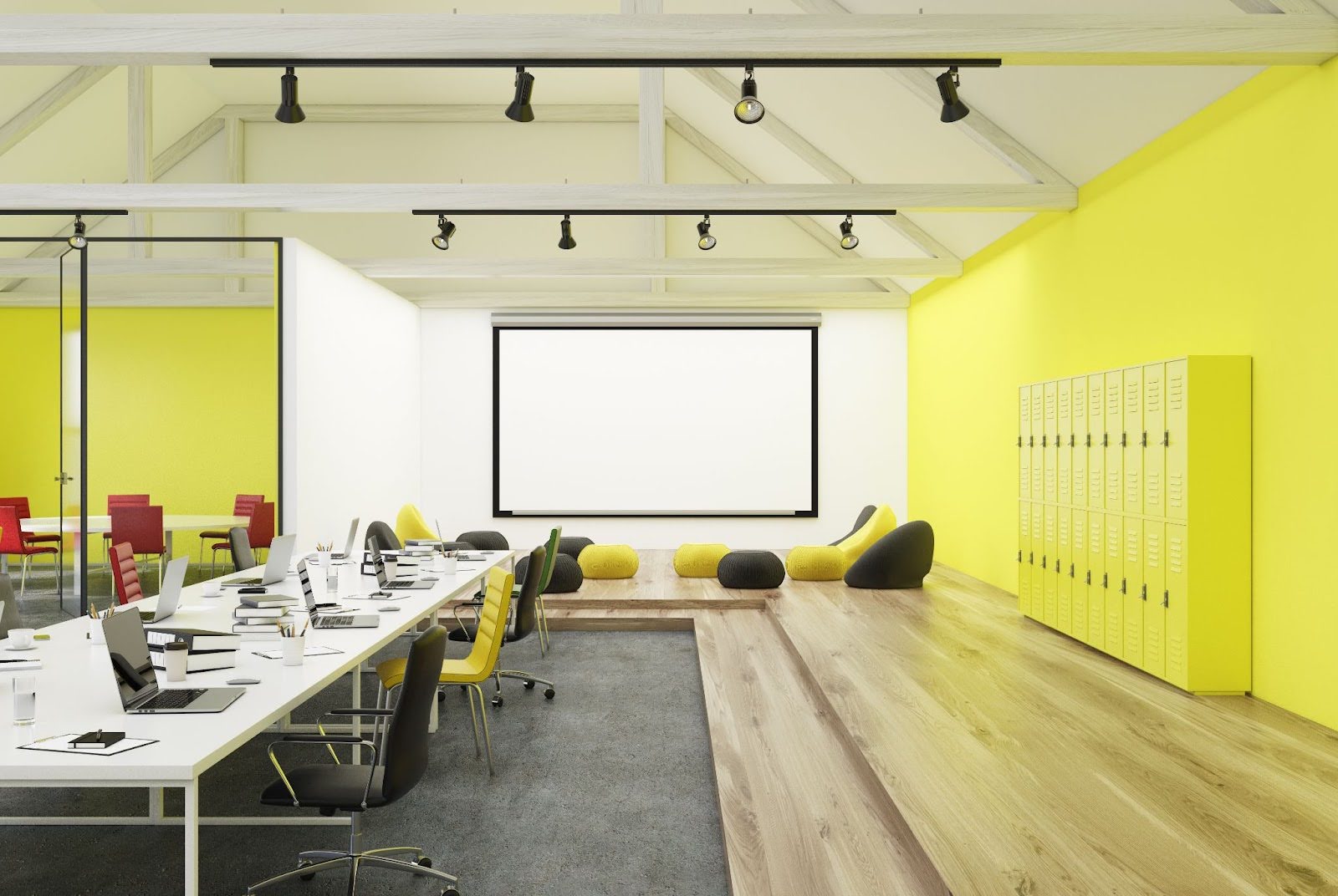
Tech-optimised workstations are designed to support modern digital workflows by integrating power access, connectivity, and ergonomic features directly into the workspace.
In a coworking environment, this allows members to sit down and start working immediately, without dealing with cable clutter or limited power points. For Singapore offices serving a mix of freelancers and corporate teams, seamless technology access is no longer optional.
Today’s professionals expect reliable and efficient setups that support long hours of screen-based work. Workstations that include built-in power outlets, USB ports, and wireless charging help improve daily efficiency, while ergonomic seating and adjustable desks reduce fatigue and support sustained focus.
These features are particularly attractive to remote professionals and digital nomads who rely heavily on dependable infrastructure.
Effective tech-optimised setups often include desks with integrated cable management, ergonomic chairs with adjustable support, and additional accessories such as external monitors, docking stations, and task lighting.
When planned thoughtfully, these workstations enhance productivity while reinforcing the coworking space as a professional, future-ready environment.
8. Meeting Rooms With Personality
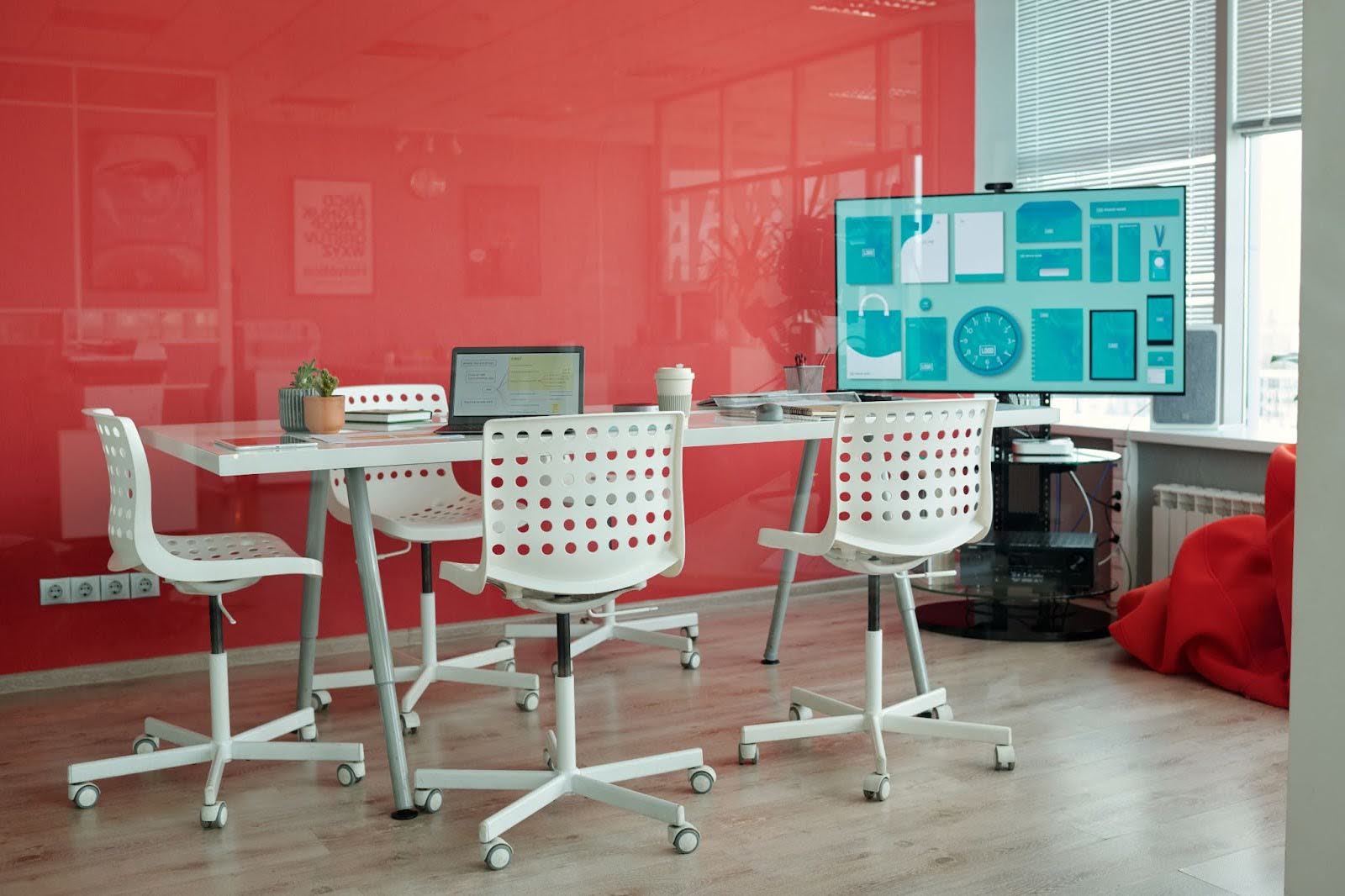
Meeting rooms with personality move beyond basic functionality to reflect brand identity and inspire more engaging discussions.
Thoughtful design transforms meetings from routine tasks into productive, memorable experiences that leave a positive impression on both members and clients. In coworking spaces, these rooms often serve as key touchpoints for professionalism.
Rather than relying on plain finishes and generic furniture, well-designed meeting rooms use visual elements to stimulate creativity and focus.
Unique themes, textured surfaces, and considered lighting can influence mood and participation, helping teams stay engaged during discussions. These spaces also reinforce the overall aesthetic and values of the coworking brand.
To achieve this balance, meeting rooms should combine character with comfort and technology. Statement lighting, feature walls, and custom artwork add visual interest, while comfortable seating, reliable audio-visual equipment, and adjustable lighting ensure practicality. Offering a mix of room sizes further supports different meeting styles and group requirements.
9. Phone Booths & Zoom Pods
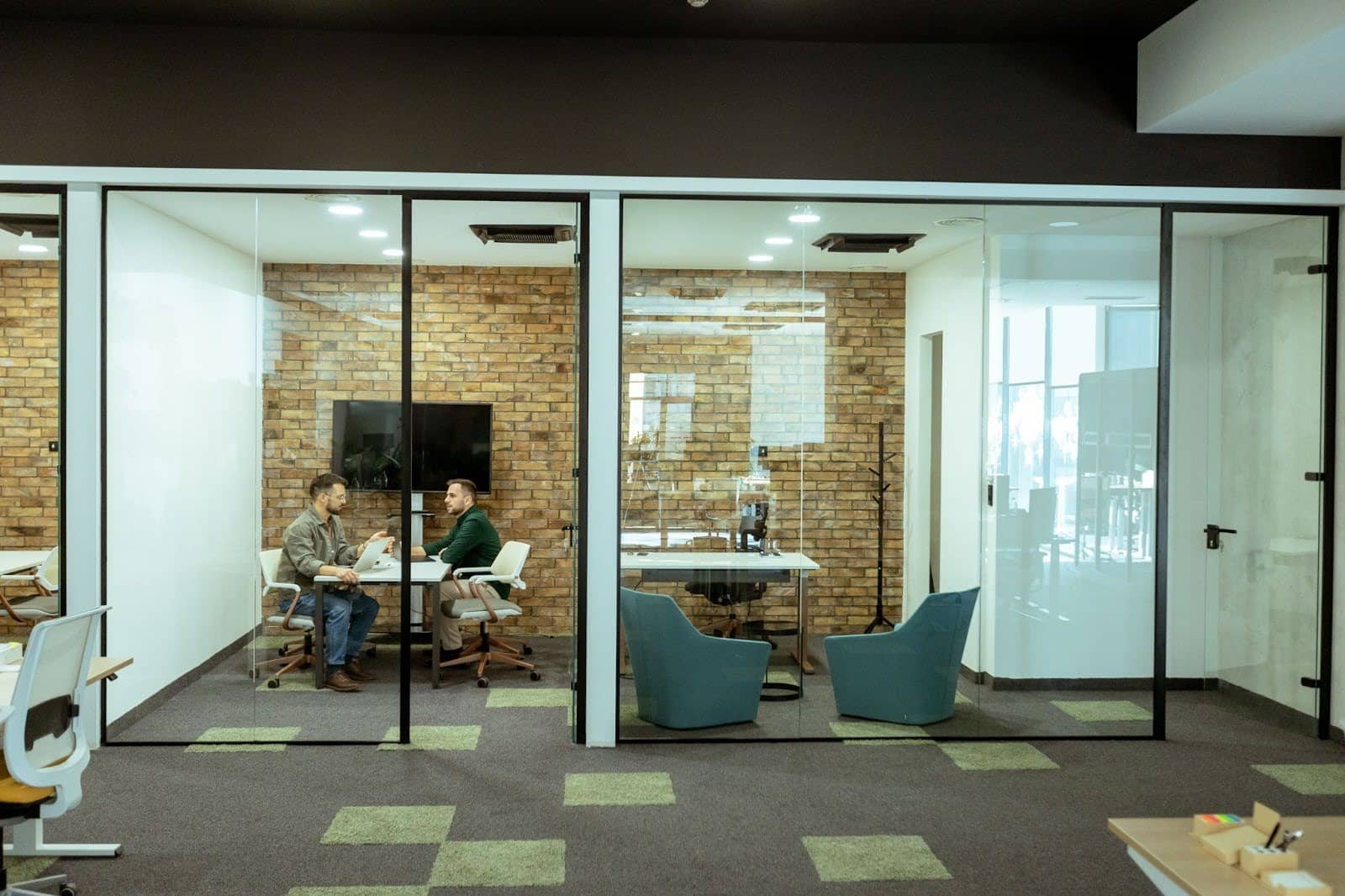
Phone booths and Zoom pods provide compact, sound-insulated spaces for private calls and virtual meetings within shared coworking environments.
As video calls become a standard part of daily work, these dedicated pods help members maintain professionalism without disrupting others. They are particularly valuable in open-plan Singapore offices where privacy can be limited.
Without proper acoustic solutions, noise can quickly affect focus and call quality. Phone booths address this challenge by offering enclosed spaces for confidential discussions, client calls, and online meetings. Their compact size allows operators to introduce privacy solutions without sacrificing valuable floor space.
Well-designed pods typically feature acoustic insulation, ventilation, power access, and comfortable seating. Glass-fronted designs maintain visual openness while controlling sound, and strategic placement near high-traffic areas ensures accessibility. When integrated thoughtfully, phone booths improve usability across the entire coworking space.
10. Instagrammable Interiors
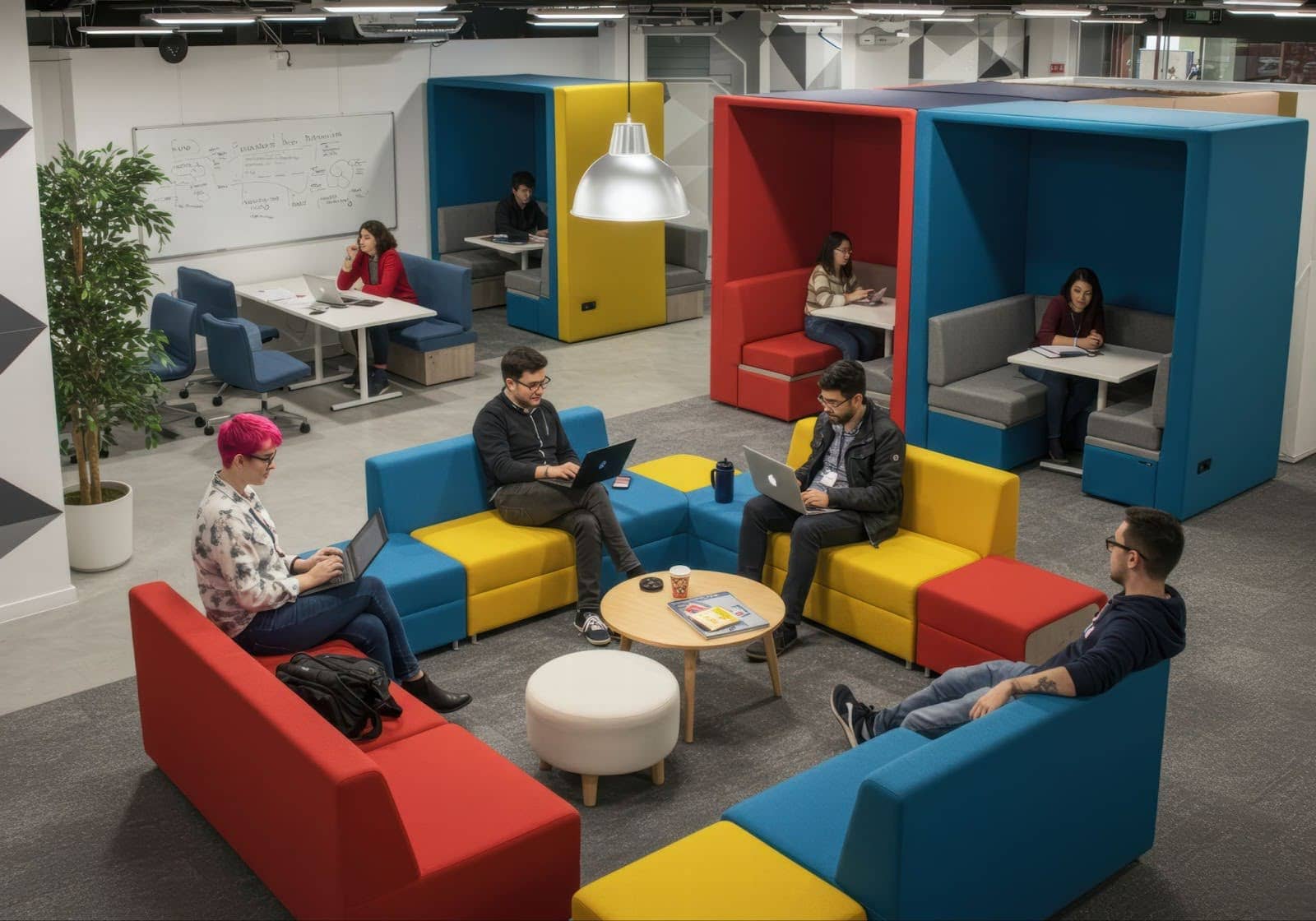
Instagrammable interiors focus on creating visually striking spaces that members naturally want to photograph and share online.
In a competitive coworking market, especially in Singapore, a strong visual identity helps spaces stand out and gain exposure beyond traditional marketing channels. When design and branding align, these interiors become a powerful tool for organic visibility.
Many professionals today choose workspaces that reflect their personal style as much as their functional needs. A photogenic coworking environment encourages members to showcase their surroundings on social media, which increases brand awareness and reinforces recognition. This approach is particularly effective in attracting younger professionals who value aesthetics and self-expression.
To achieve this, coworking spaces can introduce bold visual elements without overwhelming the workspace. Feature walls with textured finishes, creative lighting installations, branded quotes, and curated furniture pieces add character while remaining functional. When applied thoughtfully, Instagrammable design enhances both brand presence and user experience.
11. Nature-Inspired Quiet Zones
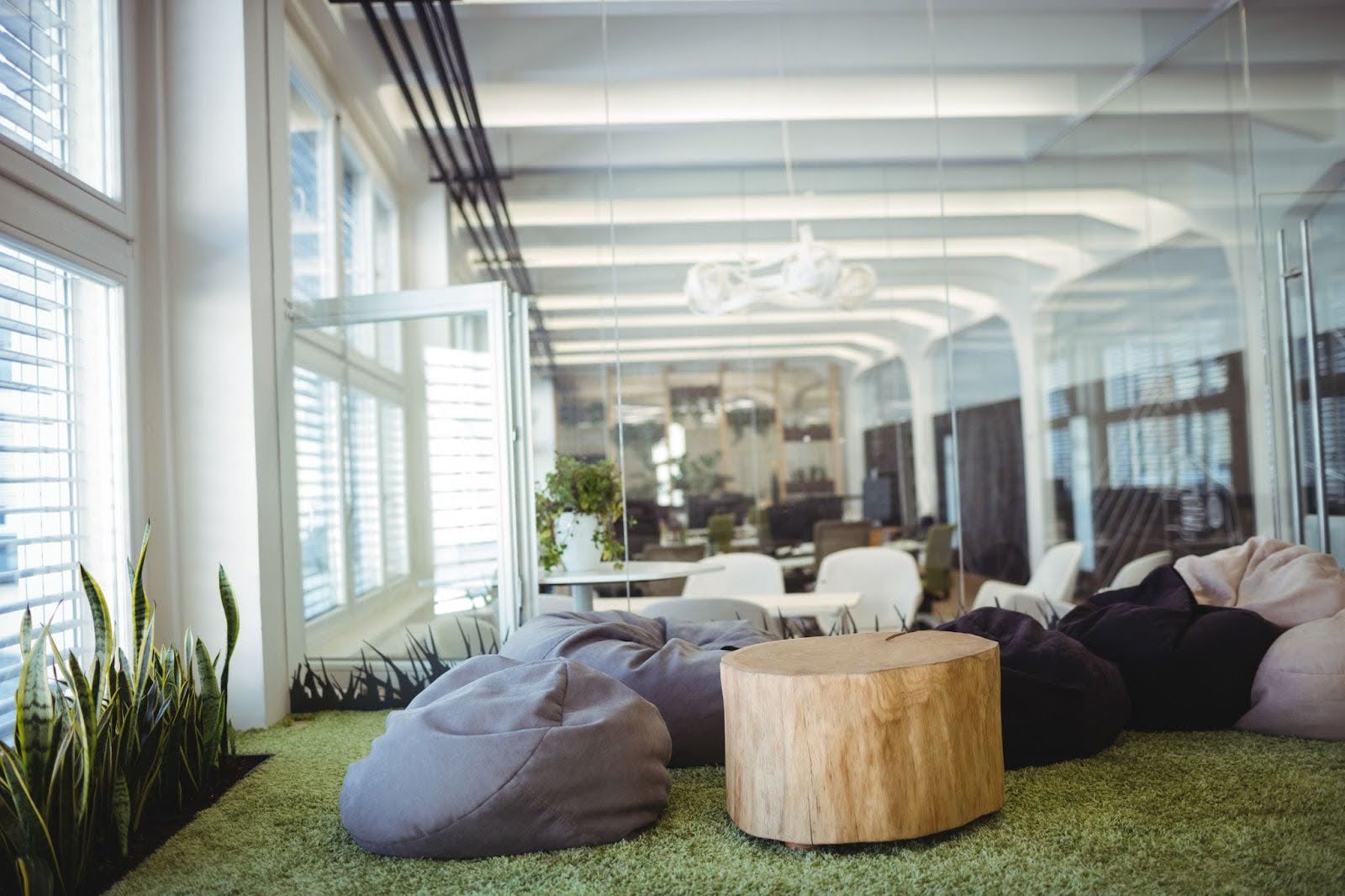
Nature-inspired quiet zones are dedicated areas designed to support focus, calm, and mental recovery within a busy coworking environment.
By incorporating natural elements, these zones offer members a place to concentrate on deep work or take a short break from high-activity areas. This balance is especially important in shared Singapore offices where noise and stimulation can be constant.
Not all tasks benefit from collaboration, and providing spaces for uninterrupted work helps improve overall productivity. Quiet zones with reduced noise and visual distractions allow members to focus more effectively, while natural textures and greenery help lower stress levels and support well-being throughout the day.
Effective quiet zone design uses earthy tones, natural materials, and soft textures to create a soothing atmosphere.
Elements such as potted plants, wood finishes, and warm, low-level lighting enhance comfort without feeling enclosed. These spaces give members the option to reset without leaving the office, supporting sustained performance.
12. Member Spotlight Presentation Areas
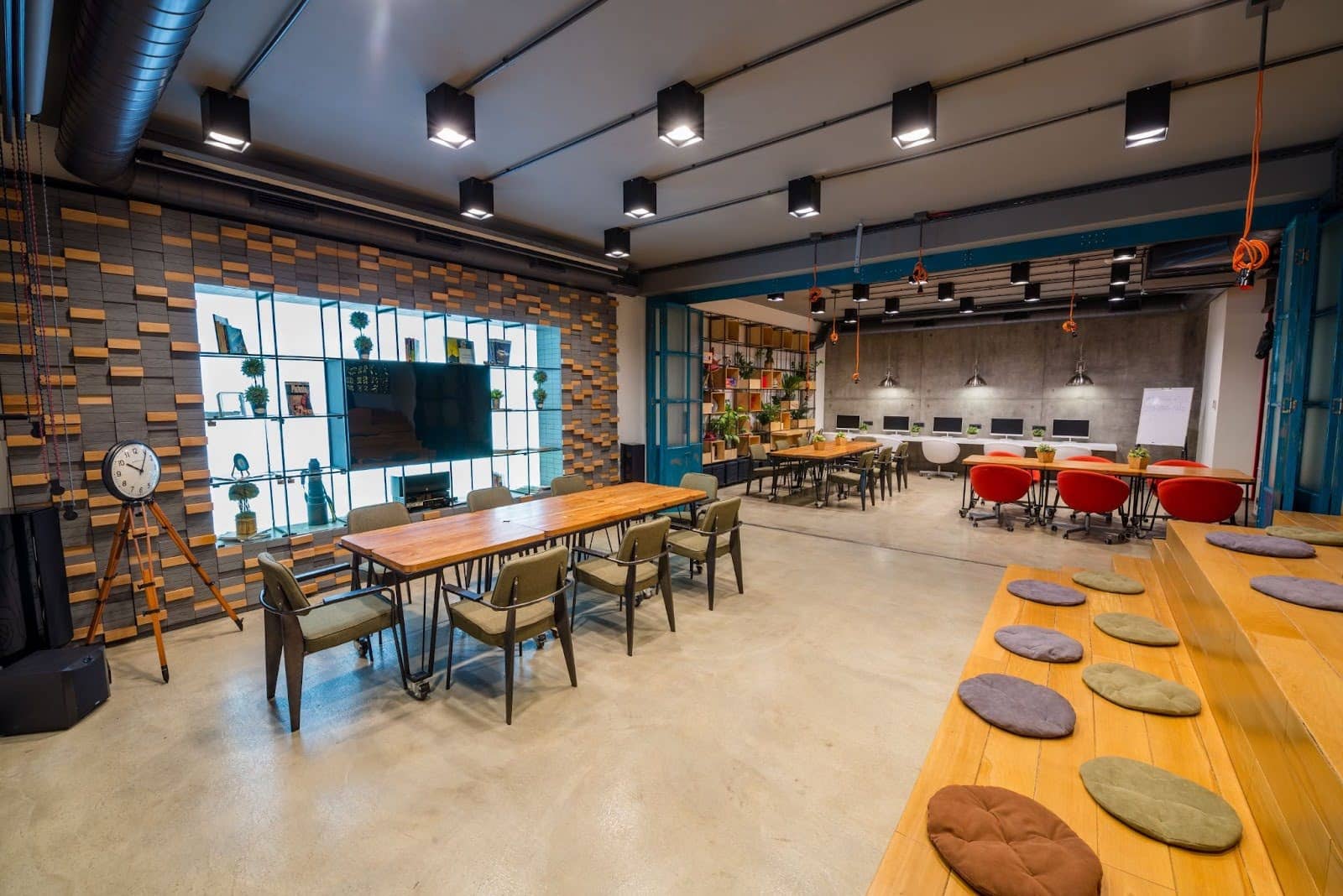
Member spotlight presentation areas are flexible zones designed for talks, workshops, and informal presentations led by members.
By giving individuals a platform to share their work or expertise, coworking spaces strengthen community engagement and create opportunities for meaningful interaction. This approach adds value beyond desk space alone.
Hosting regular presentations and events helps members expand their networks and feel more connected to the community.
These activities also generate interest among visitors and prospective members, making the coworking space feel active and dynamic. When not in use, these areas can easily transition into lounges or meeting zones, improving space efficiency.
Designing these areas requires flexibility and simplicity. Movable seating or tiered arrangements allow for quick reconfiguration, while mounted screens or projectors support presentations.
Neutral backdrops and soft lighting keep attention focused on the speaker, ensuring the space remains functional, welcoming, and adaptable.
13. 24/7 Accessible Reception Zones
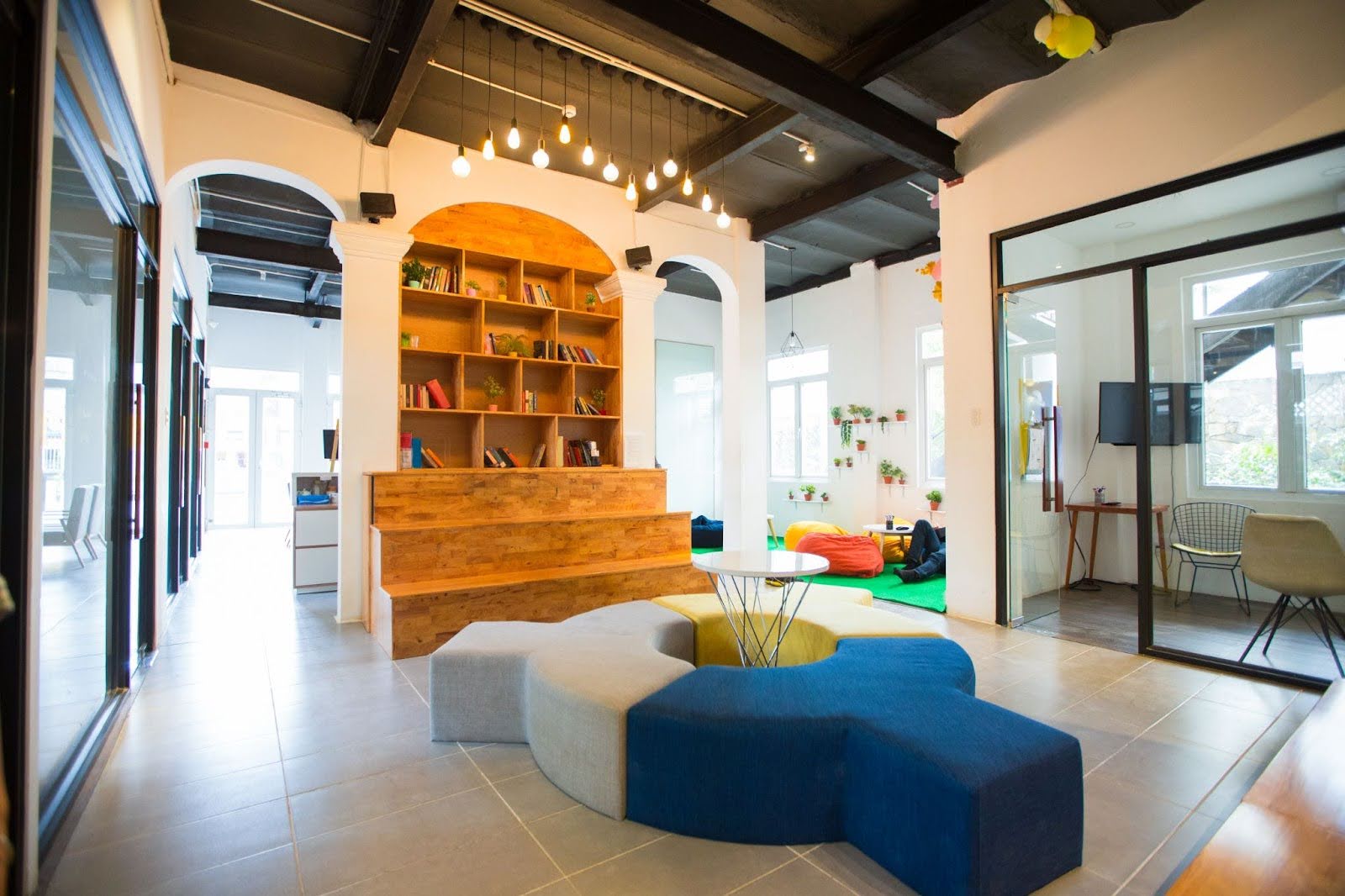
24/7 accessible reception zones allow members to enter and use the coworking space at any time with minimal reliance on on-site staff.
This design approach supports flexible work patterns that are increasingly common among freelancers, startups, and remote teams in Singapore. Offering round-the-clock access can also become a strong differentiator in a competitive coworking market.
By integrating digital check-in systems, coworking spaces can accommodate members who work outside traditional office hours while maintaining operational efficiency.
Self-service kiosks and automated visitor management reduce staffing requirements, while access tracking improves security and accountability during off-hours. This creates a balance between flexibility and control.
To implement this successfully, reception zones should include touch-screen kiosks or QR code scanners for self check-in, along with secure access cards or mobile entry systems.
Clear signage, automated lighting, and intuitive circulation paths ensure members can navigate the space confidently at any hour without confusion or disruption.
14. Multi-Use Hotdesking Areas
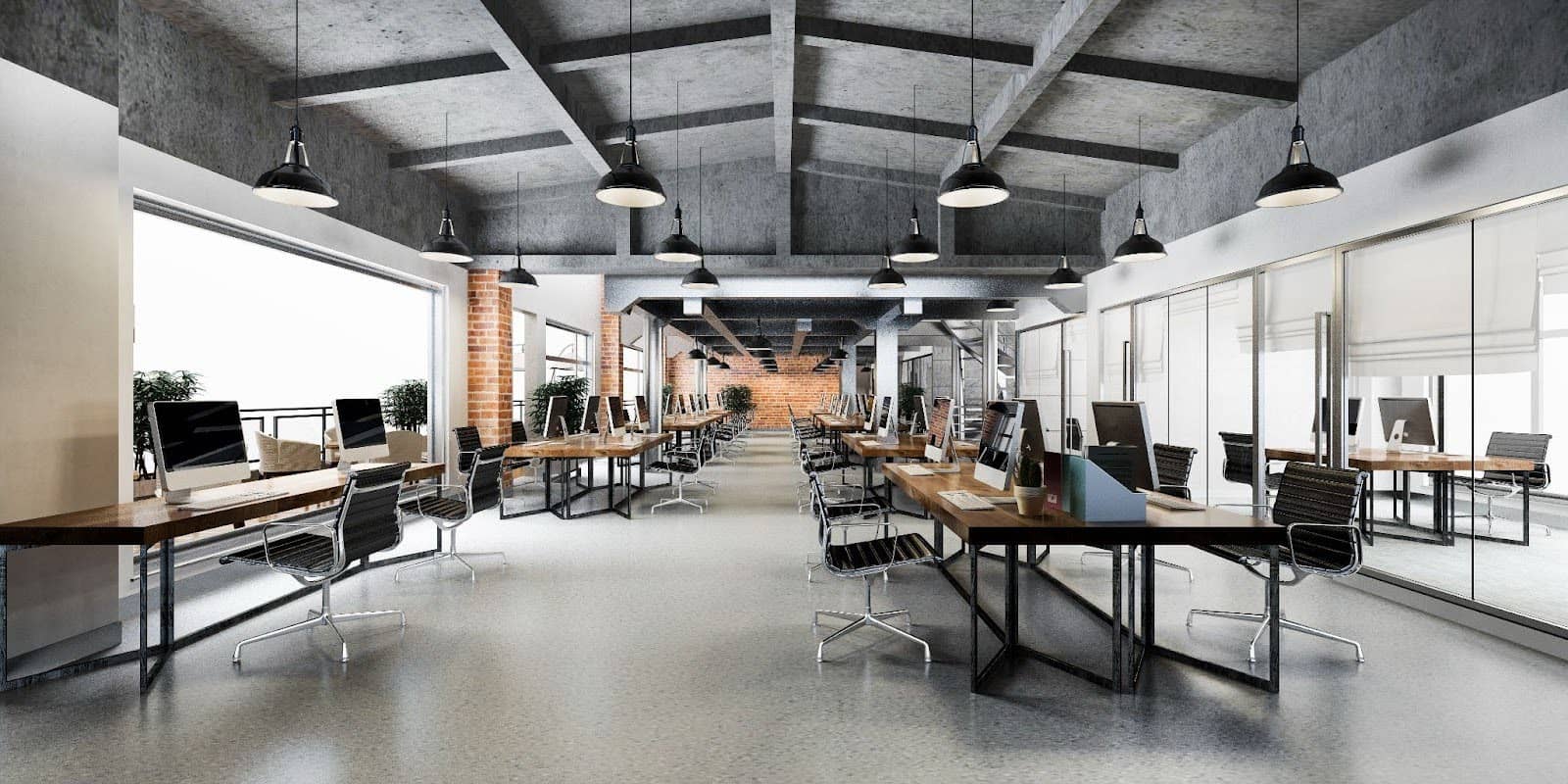
Multi-use hotdesking areas provide shared workspaces that support flexibility and efficient space usage. Rather than assigning fixed desks, this approach allows members to choose where they work based on daily needs, task type, or personal preference.
In Singapore offices where space is at a premium, hotdesking helps maximise occupancy without compromising comfort.
Hotdesking encourages mobility and variety, which can improve engagement and reduce the monotony of working in the same spot every day.
Rotating seating arrangements also create more opportunities for interaction, helping members connect with different people across the workspace. This flexibility is especially appealing to freelancers, remote teams, and short-term members.
Well-designed hotdesking zones balance openness with practical support. Tables with built-in power access and modest privacy panels improve usability, while nearby booths or pods provide options for focused work.
An online booking system further enhances the experience by allowing members to reserve desks in advance and plan their workday with confidence.
15. Contemporary Themes For Each Zone
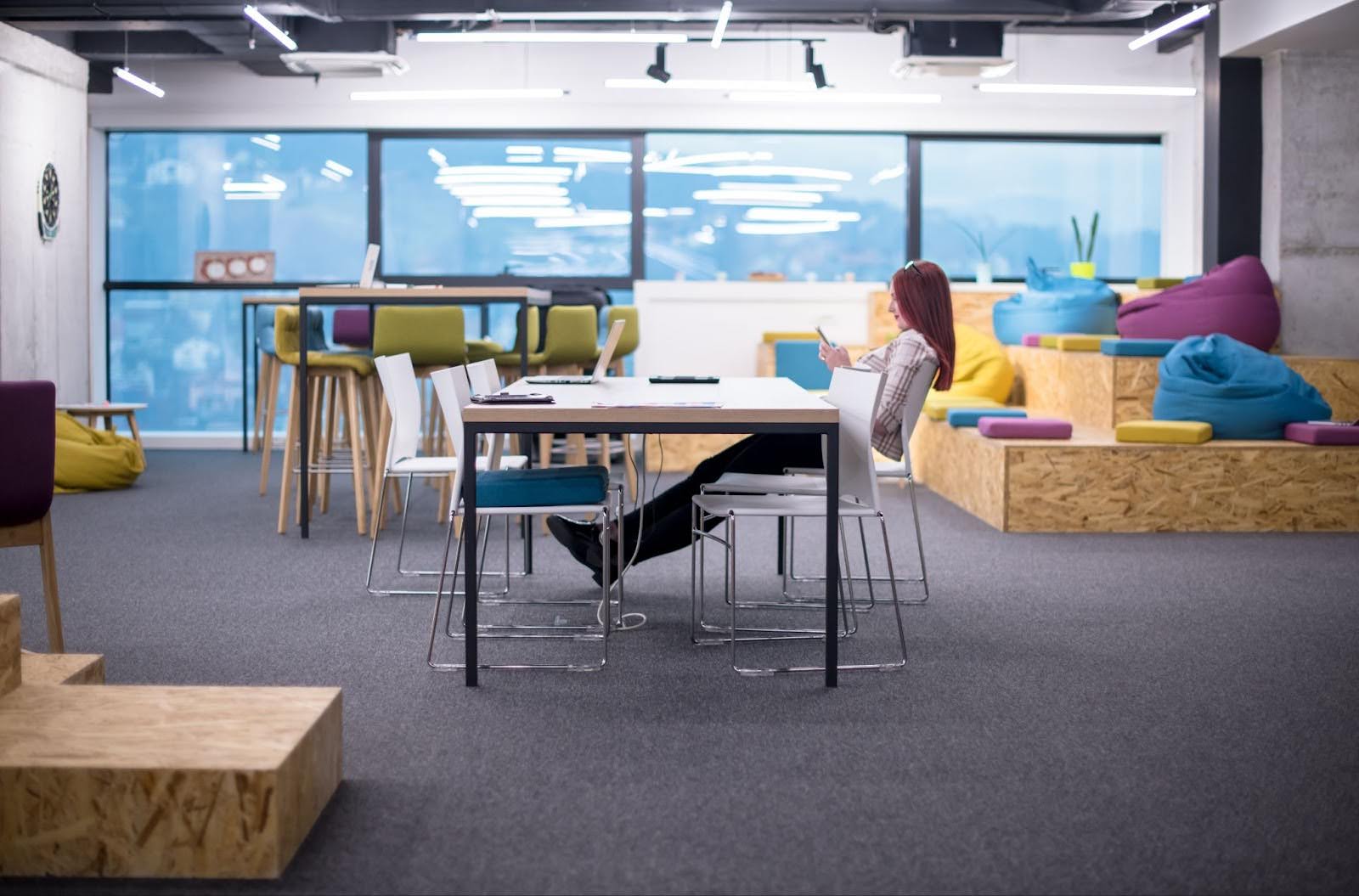
Using contemporary themes across different zones adds character and variety to a coworking space, giving members the freedom to choose environments that suit their mood or task.
Instead of a single uniform look, themed zones create visual interest and support different ways of working throughout the day. This approach helps make large coworking spaces feel more engaging and intuitive.
People do not work the same way at all times, and themed environments allow them to move between settings that support focus, creativity, or informal collaboration. Clearly defined themes also help members navigate the space more easily, reinforcing the coworking brand and overall design identity.
Examples of themed zones include minimalist areas with neutral colours and clean lines for focused tasks, creative corners with bold colours and statement furniture, and lounge-style spaces with soft lighting for informal meetings. When designed cohesively, these themes strengthen brand recognition while enhancing daily usability.
16. Social Spaces That Spark Connections
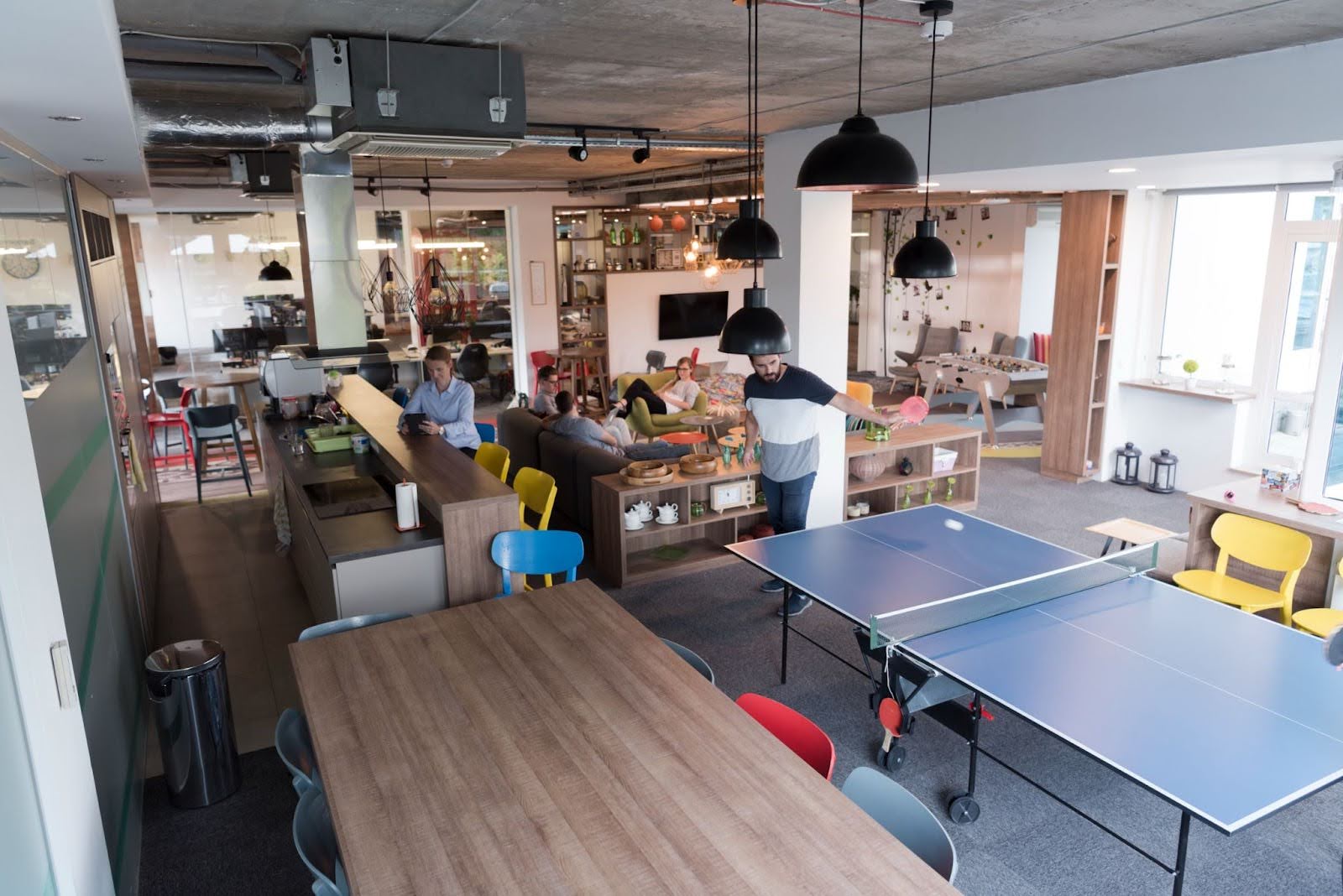
Social spaces are designed to encourage informal conversations, networking, and relationship building within a coworking environment.
Rather than limiting interaction to meeting rooms or desks, these areas create natural opportunities for members to connect throughout the day. In Singapore coworking spaces, well-designed social zones play an important role in building a strong and engaged community.
Many professional relationships begin through casual interactions, such as conversations over coffee or during short breaks. Social spaces support this by providing relaxed settings where members feel comfortable exchanging ideas and experiences.
These interactions often lead to collaboration, partnerships, and a stronger sense of belonging, which can significantly improve member retention over time.
Effective social space design focuses on comfort and accessibility. Café-style tables, bar seating, and lounge chairs encourage people to linger and interact, while communal bookshelves or message boards add shared points of interest.
Warm lighting, subtle music, and welcoming décor help create an approachable atmosphere without disrupting nearby work areas.
17. Brand-Customizable Private Offices
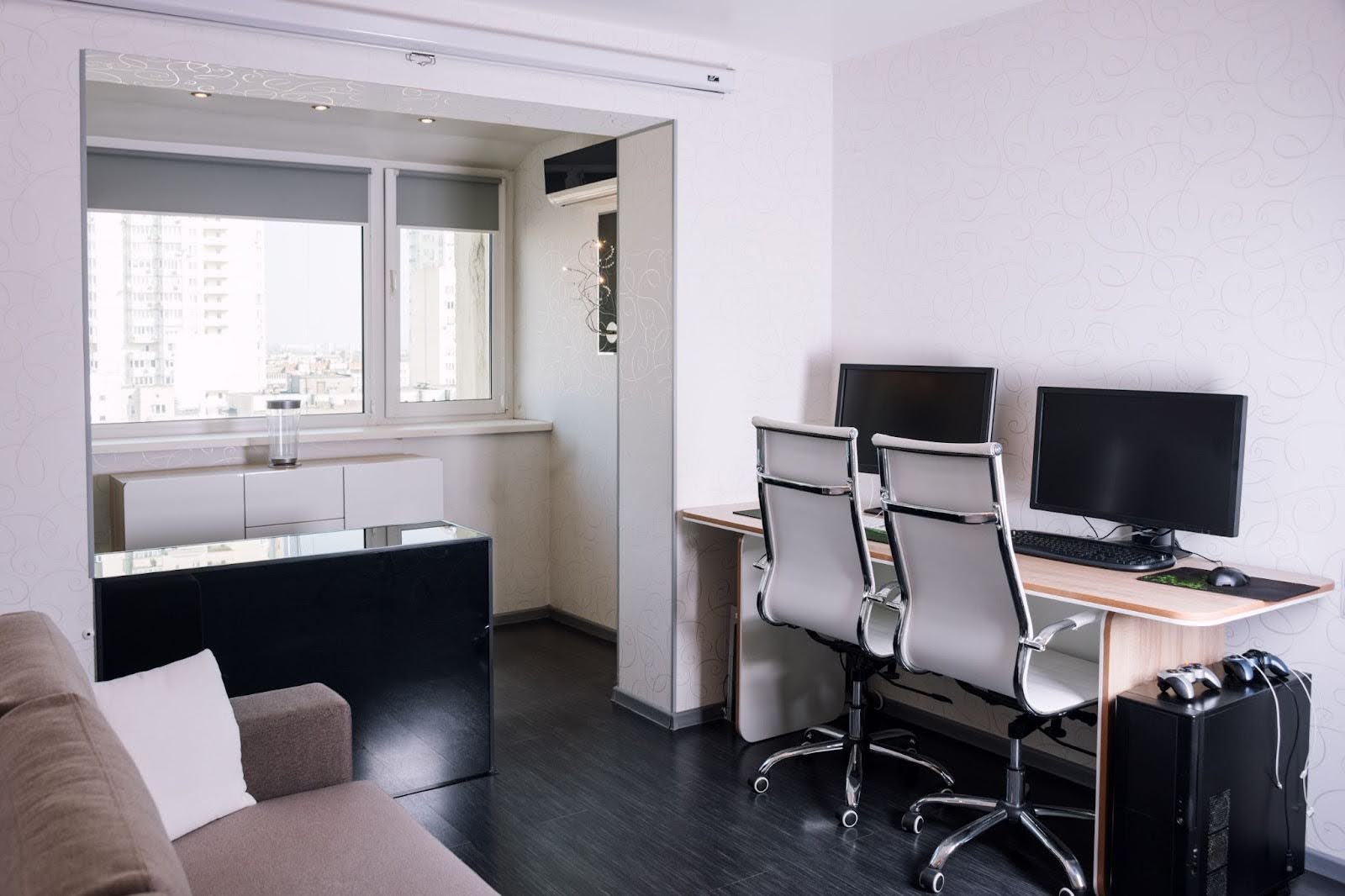
Brand-customisable private offices offer teams the privacy of a dedicated workspace while allowing them to express their identity and culture.
This approach appeals to startups and small businesses that want the benefits of a coworking environment without sacrificing professionalism or focus. In Singapore, these offices are particularly attractive to companies planning to scale.
Having a branded space helps teams feel more settled and invested in their working environment. Customisation options such as logo displays, colour schemes, and layout preferences allow businesses to create a space that reflects their values while maintaining consistency with the overall coworking design. This sense of ownership often leads to longer tenancies and stronger loyalty.
To support flexibility, private offices should allow for adjustable layouts and personalised furnishings. Features such as lockable doors, access control systems, and secure storage ensure privacy and confidentiality.
When designed thoughtfully, brand-customisable offices strike a balance between individuality and shared workplace standards.
18. Statement Lighting Fixtures
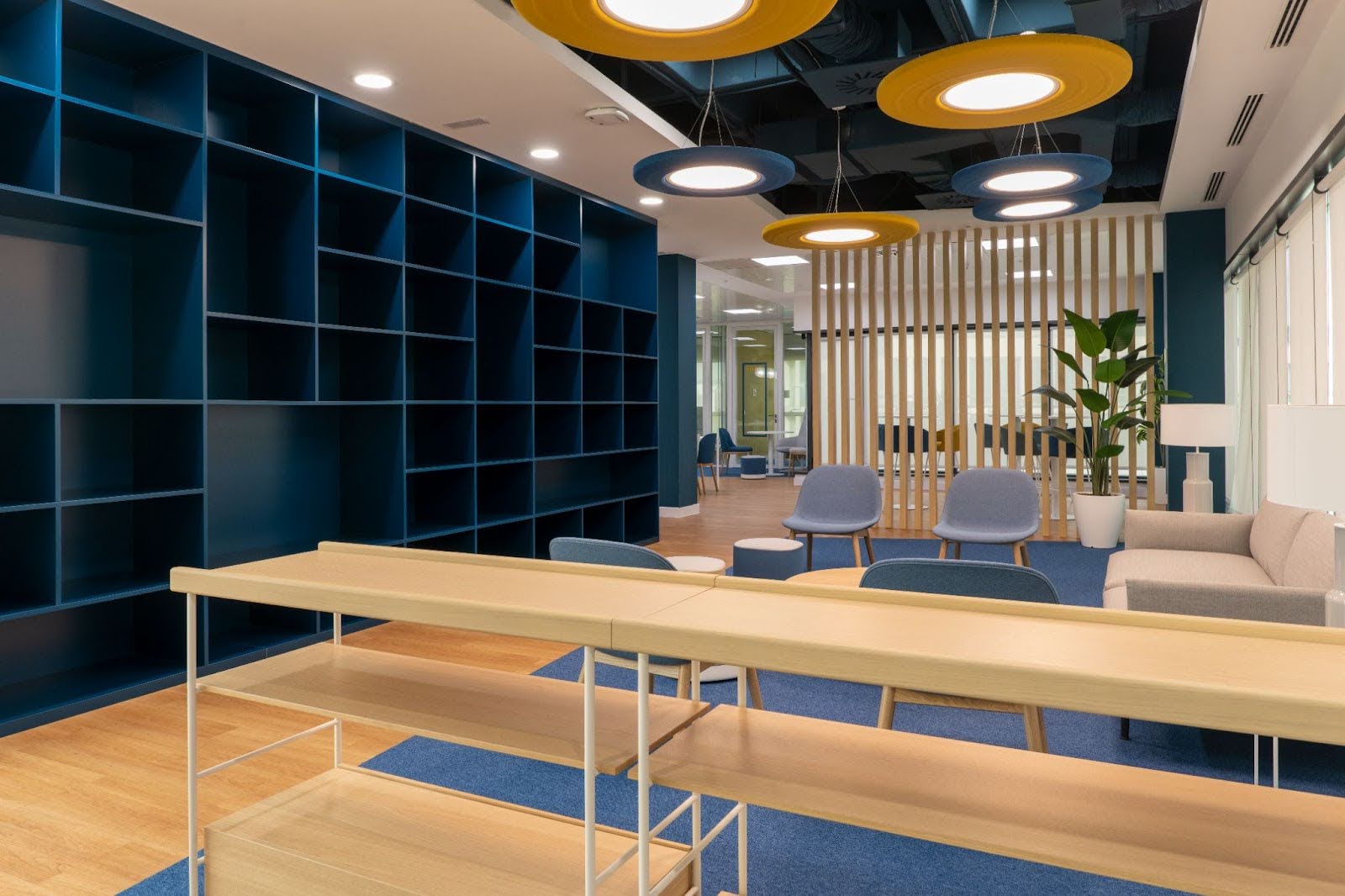
Statement lighting fixtures play a key role in shaping the atmosphere and functionality of a coworking space. Beyond basic illumination, lighting influences mood, focus, and how different areas are perceived.
When used strategically, distinctive lighting becomes a defining element of the overall design and brand experience.
Well-planned lighting helps reduce eye strain and fatigue, supporting productivity throughout the day. Different lighting styles can also be used to visually define zones such as lounges, workstations, and meeting rooms without relying on physical barriers. This is particularly useful in open-plan coworking environments.
Effective lighting design combines practicality with visual impact. Pendant lights above lounge areas add warmth and character, while dimmable LED systems in meeting and focus zones provide flexibility.
Sculptural or artistic fixtures can act as focal points, enhancing the space while reinforcing a polished and professional identity.
19. Community-Centric Common Areas
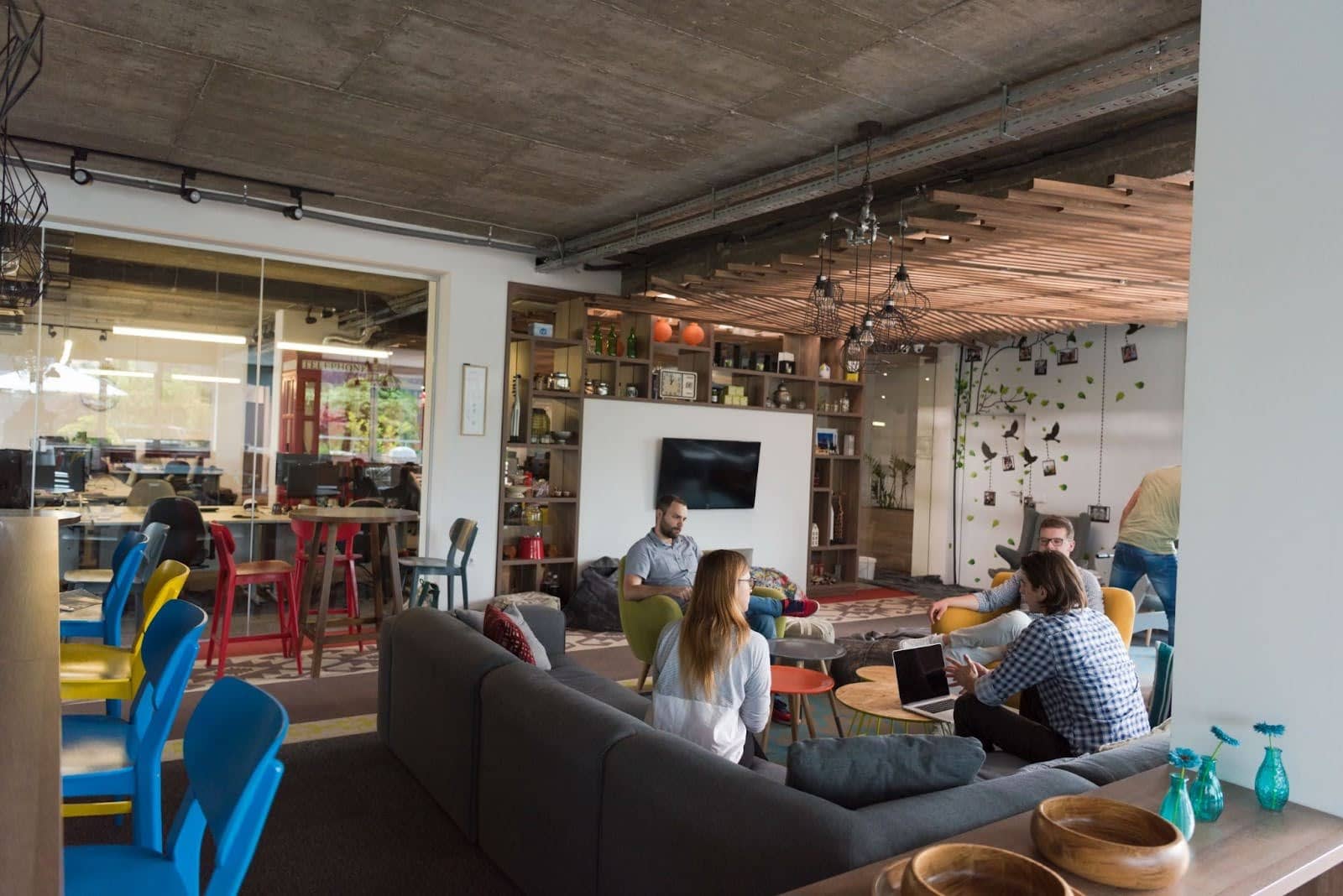
Community-centric common areas are shared spaces designed to encourage interaction, collaboration, and a sense of belonging among members.
Rather than serving as simple walkways or waiting zones, these areas become active hubs that support everyday engagement. In coworking spaces, strong community design helps create culture, not just convenience.
When members from different industries and backgrounds share welcoming common areas, spontaneous conversations and networking become part of daily life.
These interactions strengthen relationships and often lead to collaboration or new business opportunities. Common areas can also support informal gatherings, internal events, and small-scale workshops, adding energy and purpose to the space.
To make these areas effective, flexibility and comfort are key. Versatile seating such as lounge clusters, ottomans, or casual chairs encourages people to stay longer, while community boards or digital displays keep members informed and connected. Soft lighting and greenery help maintain a relaxed atmosphere that feels inclusive without becoming distracting.
20. Wellness Nooks And Rest Pods
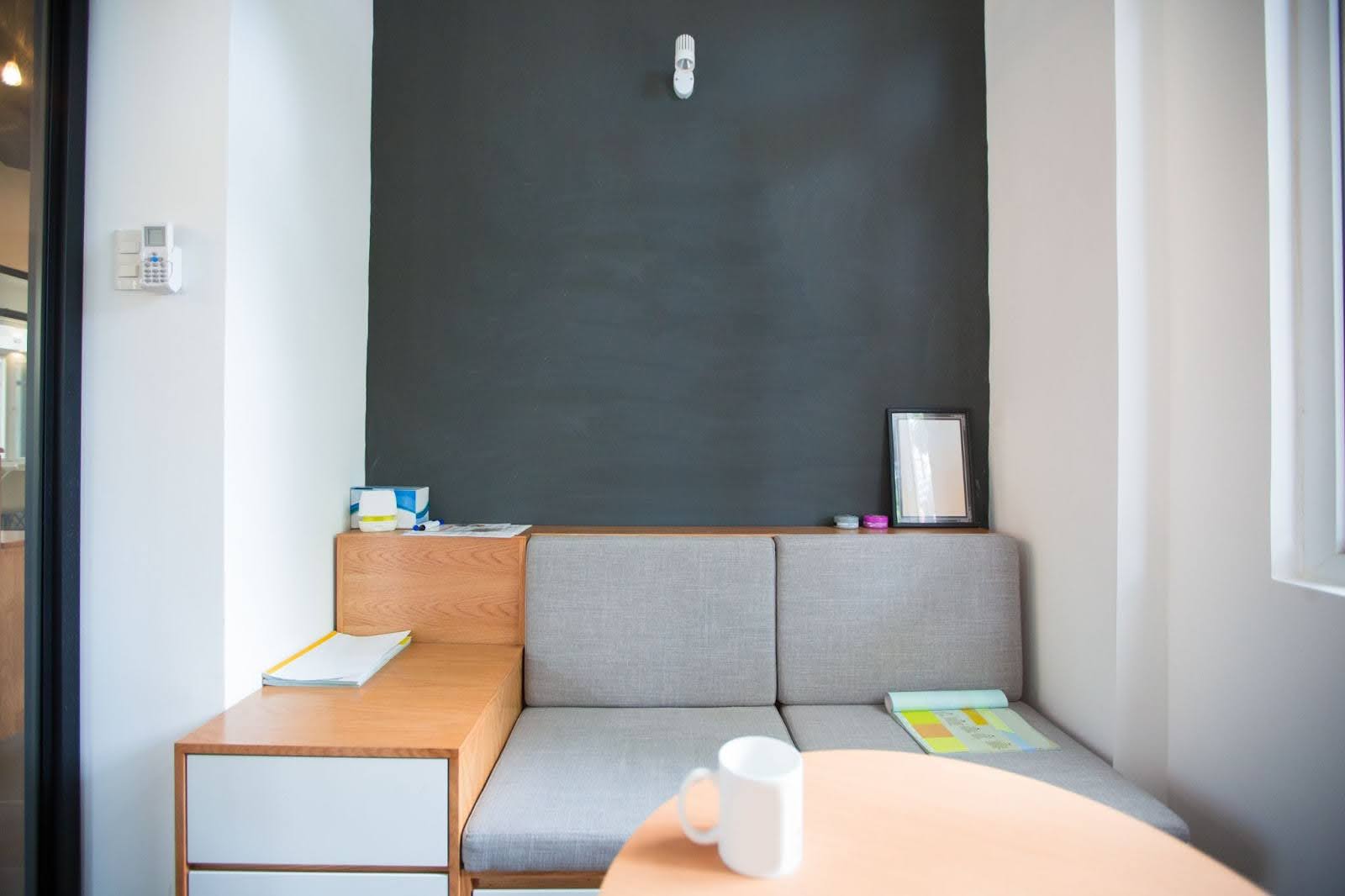
Wellness nooks and rest pods provide quiet spaces where members can pause, recharge, and recover during the workday. In busy coworking environments, especially in Singapore’s fast-paced business culture, having areas dedicated to rest supports both mental well-being and sustained productivity.
Short breaks throughout the day help reduce fatigue and prevent burnout. When members have access to calm, private spaces, they return to work more focused and energised.
Providing wellness-focused areas also sends a clear message that health and balance are valued, which can improve satisfaction and long-term retention.
Effective wellness spaces prioritise comfort and calm. Recliner chairs, bean bags, or nap pods with adjustable lighting allow members to rest comfortably, while soft furnishings and sound-absorbing materials reduce noise.
Optional features such as aromatherapy or guided meditation audio can further enhance the restorative experience without overwhelming the space.
21. Standing Desks & Active Zones

Standing desks and active zones encourage movement and healthier working habits throughout the day. By offering alternatives to prolonged sitting, coworking spaces can help members improve posture, maintain energy levels, and stay more engaged with their work. This approach aligns well with growing awareness around workplace wellness.
Sitting for long periods often leads to discomfort and reduced concentration. Height-adjustable desks allow members to alternate between sitting and standing, helping to reduce strain and improve circulation. Light movement during the day can also prevent energy dips, particularly during long work sessions.
Active zones are most effective when they are easy to use and thoughtfully equipped. Adjustable desks, anti-fatigue mats, and ergonomic accessories support comfort, while small open areas allow for stretching or walking calls.
When integrated naturally into the workspace, these zones promote healthier routines without disrupting productivity.
22. Acoustic Zoning And Sound Management Design
Acoustic zoning and sound management design play a crucial role in helping coworking spaces balance collaboration with concentration. In open-plan offices, noise can easily travel across the space, making it difficult for members to focus on detailed or confidential work.
Intentional acoustic planning allows different activities to coexist without one disrupting the other, which is especially important in Singapore offices where open layouts are common.
Clear zoning also makes the space easier to navigate, as members instinctively understand where conversations are encouraged and where quiet work is expected.
Sound control does not require fully enclosed rooms to be effective. Acoustic panels, ceiling treatments, soft furnishings, and partial partitions help absorb and reduce noise while maintaining an open and visually connected environment.
Materials such as fabric wall panels, acoustic ceilings, rugs, and upholstered furniture all contribute to improved sound quality without compromising design.
When sound is managed properly, members experience better concentration, lower stress levels, and greater overall comfort. A quieter, more balanced environment supports productivity and enhances the perceived quality of the workspace.
For coworking operators, effective acoustic design improves member satisfaction and reduces complaints, making it a practical investment rather than a purely aesthetic choice.
23. Smart Storage And Personal Locker Systems
Smart storage and personal locker systems are essential in shared coworking environments where desks are not permanently assigned.
Without adequate storage, personal belongings quickly create clutter, which can affect both usability and the overall appearance of the space. Integrated storage solutions help maintain organisation while supporting the flexible nature of modern coworking offices.
For hotdesking members and rotating teams, having access to secure personal storage adds convenience and peace of mind. Lockers allow members to store laptops, documents, and personal items safely between visits, reducing the need to carry everything daily.
This is particularly valuable in Singapore, where many professionals commute and value efficiency in their work routines.
Space-efficient storage design is key in high-density commercial offices. Compact lockers, built-in cabinetry, and vertical storage systems make effective use of available space without crowding work areas.
When storage is thoughtfully integrated into corridors, underutilised corners, or near entrances, it supports functionality while keeping work zones clear and uncluttered.
Proper storage also contributes to a more professional and organised workspace. Clear desks and tidy shared areas create a better impression for clients and visitors while improving day-to-day usability for members.
24. Hospitality-Inspired Reception And Arrival Experience

The reception and arrival experience sets the tone for the entire coworking space. A well-designed reception should feel welcoming, intuitive, and professional from the moment someone enters.
In Singapore’s competitive coworking market, this first impression plays a key role in shaping how members and visitors perceive the quality and credibility of the workspace.
Reception design strongly influences brand perception. A thoughtfully planned entrance communicates professionalism, attention to detail, and care for user experience.
When members feel welcomed and visitors are guided confidently through the space, the coworking brand is seen as organised, reliable, and business-ready rather than transactional or impersonal.
Clear circulation and intuitive navigation are essential components of a successful arrival experience. Seating placement, counter positioning, and visual sightlines should guide people naturally from entry to check-in and onward to work areas.
Comfortable waiting zones, clear signage, and logical pathways reduce confusion and create a smoother flow, even during busy periods.
Hospitality-inspired design brings warmth without undermining corporate credibility. Subtle material choices, comfortable seating, layered lighting, and well-considered finishes help create a calm and inviting atmosphere.
When balanced correctly, these elements elevate the reception experience while maintaining a polished and professional environment suitable for business clients and corporate teams.
25. Adaptable Event And Town Hall Spaces
Adaptable event and town hall spaces add significant value to coworking environments by supporting talks, workshops, and community activities without the need for dedicated event halls.
These flexible areas allow coworking operators to activate their spaces, strengthen community engagement, and offer programming that goes beyond everyday desk use.
With thoughtful planning, a single area can support multiple functions throughout the week. Layouts that accommodate presentations, team meetings, and informal gatherings allow operators to maximise space efficiency while offering varied experiences for members. This approach is especially effective in Singapore offices where floor space must serve multiple purposes.
Flexibility is achieved through movable seating, modular stages, and integrated audio-visual systems. Chairs and tables that can be rearranged easily, combined with adaptable lighting and sound setups, allow spaces to transition quickly between different uses. These features reduce setup time and make regular events easier to manage.
Well-designed event spaces also strengthen member engagement and create opportunities for collaboration. Hosting talks, networking sessions, and workshops encourages knowledge sharing and builds stronger relationships within the coworking community.
Conclusion On Coworking Space Design Ideas in Singapore
Creating the right coworking space design plays a critical role in shaping how people work, collaborate, and stay engaged. In Singapore’s competitive office landscape, thoughtful design choices can directly influence productivity, member satisfaction, and long-term business growth.
From layout planning to lighting and material selection, every detail contributes to a workspace that supports both performance and well-being.
Design strategies such as centralised seating, biophilic elements, wellness pods, and flexible furniture layouts help balance functionality with comfort. When these coworking space design ideas are applied cohesively, they create environments that feel efficient, welcoming, and adaptable to changing work styles.
If you are planning to upgrade or develop a coworking space in Singapore, working with an experienced commercial interior design team makes all the difference. Yangs Design Associates specialises in coworking space design and a wide range of commercial interiors, including retail, food and beverage, and healthcare.
With a full in-house team of carpenters, mechanical and electrical specialists, and drafters, supported by over 300 staff in Singapore, every project is delivered with consistency, efficiency, and attention to detail.
Get in touch with our team to start planning a coworking space that supports your business goals and delivers real results.
Frequently Asked Questions About Coworking Space Design Ideas in Singapore
What Are The Best Coworking Space Design Ideas?
The best coworking space design ideas focus on flexibility, comfort, and usability. Popular options include open layouts for collaboration, flexible furniture for adaptability, biophilic elements for wellness, wellness pods for rest, and tech-friendly workstations for efficiency.
When combined thoughtfully, these ideas help create productive environments that attract and retain members in Singapore offices.
How Do I Design A Productive Coworking Space?
A productive coworking space balances collaboration with focus. This means providing natural light, good acoustics, and ergonomic furniture, alongside a mix of quiet zones and collaborative areas.
In Singapore, where space efficiency matters, well-planned layouts and modern technology setups help maximise usability while supporting different work styles throughout the day.
Why Is Interior Design Important In Coworking Spaces?
Interior design plays a key role in how people feel and perform at work. A well-designed coworking space improves comfort, reduces stress, and encourages interaction.
For operators, strong design also helps attract members, increase satisfaction, and support long-term business growth by creating spaces that feel professional, welcoming, and purpose-built.
What Furniture Is Best For Coworking Spaces?
The best furniture for coworking spaces is ergonomic, durable, and flexible. This includes adjustable chairs, height-adjustable desks, and modular tables that can be reconfigured easily.
In shared environments, furniture should support different users and tasks while maintaining comfort, functionality, and a consistent visual identity across the workspace.
How Much Does It Cost To Design A Coworking Space?
The cost of designing a coworking space varies depending on size, layout complexity, materials, and design features. Basic setups with standard finishes are more affordable, while premium designs with custom carpentry and advanced technology require a higher budget.
Can I Customize My Office In A Coworking Space?
Yes, many coworking spaces offer customisable private offices. Businesses can often personalise layouts, furniture, colour schemes, and branding elements to reflect their identity.
This flexibility allows teams to enjoy the convenience of a shared workspace while maintaining a professional environment that aligns with their brand and working style.
Do You Only Design Coworking Spaces?
No. In addition to coworking spaces, we design and build a wide range of commercial interiors, including offices, retail spaces, food and beverage outlets, and healthcare environments.
Our approach focuses on functionality, user experience, and operational efficiency, regardless of the industry or project scale.
What Makes Your Team Different From Other Design Firms?
Our strength lies in our full in-house capabilities. With dedicated carpentry, mechanical and electrical, and drafting teams, we manage projects more efficiently and maintain consistency from design to completion.
This integrated approach reduces delays, improves quality control, and delivers reliable outcomes for commercial projects in Singapore.
Can Your Team Handle Large-Scale Coworking Projects?
Yes. With more than 300 staff based in Singapore, our team is well-equipped to handle large-scale and multi-phase coworking developments.
We have the resources, technical expertise, and project management systems needed to deliver complex commercial interiors efficiently while maintaining design consistency and build quality.

