
Modern workplaces are evolving, and many businesses are now turning to modern Victorian interior design ideas to create offices that feel both refined and highly functional. In corporate environments, this design approach offers more than visual elegance.
It reinforces professionalism, credibility, and brand authority in an increasingly competitive business landscape. By thoughtfully blending heritage-inspired details with contemporary planning, offices can support focus, reduce unnecessary distractions, and improve day-to-day workflow.
This article explores practical design ideas tailored for commercial spaces and shows how modern Victorian interiors can enhance workplace efficiency while maintaining a polished and timeless presence suited to today’s corporate needs.
1. Subdued Victorian Colour Palettes
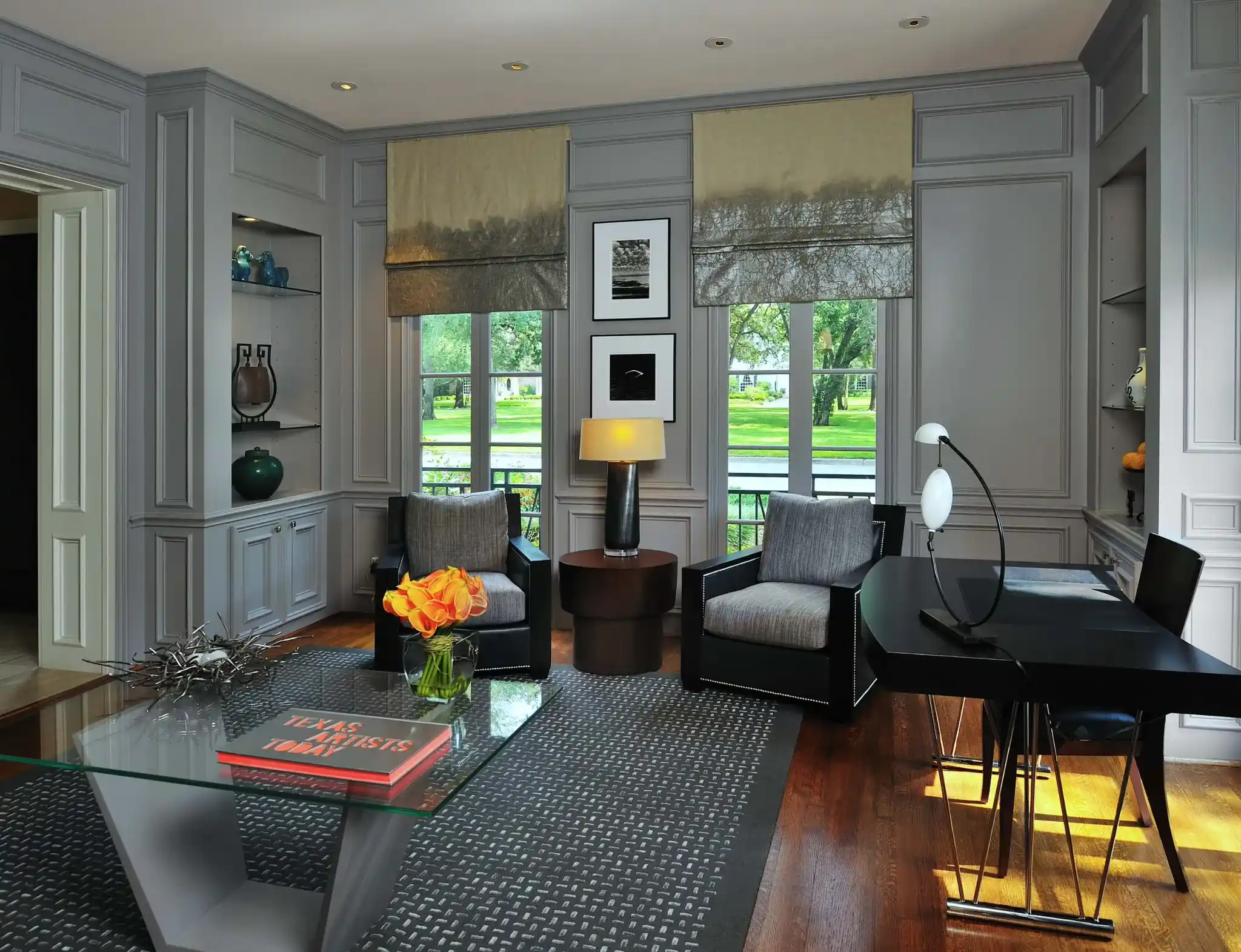
Subdued Victorian colour palettes play an important role in reducing visual fatigue within corporate office environments. Instead of rich, heavy tones traditionally associated with Victorian interiors, modern offices benefit from softer shades such as muted greens, warm greys, soft taupe, and deep but desaturated blues.
These colours provide a sense of depth and refinement without overwhelming the eye, allowing employees to remain visually comfortable throughout the working day.
In commercial spaces, the right colour balance helps retain heritage character while introducing modern calmness. Muted Victorian tones pair well with contemporary materials such as glass, metal, and clean-lined furniture, creating an office that feels polished rather than decorative.
This approach works particularly well in open-plan offices and shared work areas, where excessive contrast or bold colours can quickly become distracting.
From a psychological perspective, colour directly affects concentration and productivity. Calm, understated hues help stabilise mood, reduce mental strain, and support sustained focus during long hours of work.
When applied consistently across walls, partitions, and built-in elements, subdued Victorian palettes contribute to a work environment that feels composed, professional, and conducive to high performance.
2. Wall Panelling With Flat, Modern Profiles
Wall panelling with flat, modern profiles offers a refined way to introduce Victorian structure into contemporary office spaces without adding visual noise.
Traditional panelling is reinterpreted through clean lines and simplified proportions, allowing walls to feel organised and intentional rather than ornate. This added structure helps define spaces while maintaining a professional and uncluttered appearance.
Simplified panelling profiles are especially effective in preventing visual overload in work areas. Flat panels and subtle shadow gaps create rhythm and order without drawing attention away from desks or screens.
In busy corporate environments, this visual restraint supports focus by reducing unnecessary patterns and distractions along wall surfaces.
In meeting rooms and executive offices, modern wall panelling reinforces authority and credibility. It frames the space elegantly, supports acoustic performance, and enhances privacy without relying on heavy decoration.
When paired with neutral colours and integrated storage, wall panelling becomes a practical design feature that enhances both aesthetics and daily functionality.
3. High Ceilings With Minimal Ornamentation
High ceilings, a hallmark of Victorian architecture, contribute significantly to openness and mental clarity in modern corporate offices.
Generous ceiling height creates a sense of space and reduces the feeling of confinement, which is especially beneficial in dense office layouts. This openness helps employees feel more at ease and supports clearer thinking throughout the workday.
Restraint in ceiling ornamentation is essential for professional environments. Instead of elaborate mouldings or decorative ceiling features, modern Victorian offices favour subtle detailing that complements the space without demanding attention.
This controlled approach ensures that the ceiling enhances the room’s character while keeping the focus on work activities below.
Ceiling design also plays a practical role in airflow, acoustics, and overall comfort. Higher ceilings allow better air circulation, which improves thermal comfort in busy offices.
When combined with acoustic treatments and well-planned lighting, minimal Victorian ceiling details support a quieter, more comfortable workspace that encourages concentration and long-term productivity.
4. Zoned Layouts Using Architectural Details
Zoned layouts created through architectural details allow corporate offices to organise space clearly without relying on solid walls or enclosed partitions.
Elements such as arches, decorative trims, and subtle columns draw from Victorian design language while serving a practical purpose. These features visually separate work zones, circulation paths, and collaborative areas, helping employees understand how each space is meant to be used.
By defining zones without physical barriers, offices can maintain openness and collaboration. Staff remain visually connected, which supports teamwork and communication, while still benefiting from a sense of structure and order.
This approach works particularly well in open-plan offices, where maintaining both clarity and flexibility is essential for day-to-day operations.
Thoughtful spatial planning also helps reduce noise and interruptions. Architectural zoning naturally guides movement, limits unnecessary foot traffic through focus areas, and minimises sound spill between zones. Over time, this creates a calmer working environment that supports concentration, efficiency, and smoother workflow.
5. Dark Wood Accents Instead Of Full Wood Coverage
Using dark wood as an accent rather than a dominant finish allows offices to enjoy Victorian warmth without overwhelming the space.
Selective applications on trims, door frames, shelving, or feature walls introduce richness and depth while keeping the overall environment balanced. This restrained approach ensures the office feels grounded and professional rather than heavy or traditional.
Balancing warmth with modern restraint is especially important in commercial settings. Dark wood works best when paired with lighter walls, neutral flooring, and contemporary furniture. The contrast creates visual interest while preserving a clean, modern aesthetic that aligns with current workplace expectations.
From a functional standpoint, controlled wood accents help direct visual focus. They subtly anchor key areas such as meeting rooms, executive offices, and reception zones, reinforcing authority and professionalism. At the same time, the limited use of wood prevents distraction and supports a composed, business-focused atmosphere.
6. Neutral Wallpaper With Subtle Victorian Motifs
Neutral wallpaper offers a controlled way to introduce Victorian character into modern office interiors. Instead of bold colours or intricate patterns, subtle motifs and textured finishes provide depth without competing for attention. This allows offices to retain heritage influence while maintaining a calm and professional environment.
Low-contrast patterns are particularly effective in workspaces. Gentle damask, linear, or geometric Victorian-inspired designs add visual interest at close range but remain understated from a distance. This prevents visual fatigue and supports sustained focus, which is essential in offices where employees spend long hours at their desks.
Careful placement is key to avoiding distraction. Neutral wallpaper works best on feature walls in meeting rooms, reception areas, or circulation spaces rather than across entire work zones. When applied selectively, it enhances spatial identity while preserving clarity, comfort, and productivity throughout the office.
7. Modern Task Lighting Paired With Decorative Fixtures
A clear separation between functional and aesthetic lighting is essential in corporate office environments. Modern task lighting is designed to support daily work activities by providing focused illumination at desks, meeting tables, and collaborative zones.
This ensures employees have adequate light for screen-based tasks, reading, and writing without relying on overhead fixtures alone.
Victorian-style decorative fixtures can coexist seamlessly with ergonomic lighting when used intentionally. Chandeliers, wall sconces, or pendant lights inspired by Victorian design work best as ambient lighting, setting the tone of the space rather than serving as the primary light source.
By allowing modern task lights to handle functionality, offices retain heritage character without compromising comfort or performance.
This layered lighting approach improves eye comfort and task efficiency. Even, glare-free illumination reduces eye strain and fatigue, especially during long working hours. When lighting is planned correctly, employees remain focused for longer periods, supporting productivity and overall workplace wellbeing.
8. Acoustic Wall Panels Disguised As Victorian Features
Acoustic control is a critical consideration in corporate offices, particularly in open-plan layouts and shared spaces.
Excessive noise can disrupt concentration, increase stress levels, and reduce overall productivity. Effective sound management helps create an environment where employees can focus, communicate clearly, and work efficiently.
Sound-absorbing materials can be seamlessly integrated into modern Victorian interiors by disguising them as traditional design elements. Upholstered wall panels, framed fabric inserts, and moulded features serve both aesthetic and acoustic purposes.
These treatments blend naturally with period-inspired interiors, ensuring functionality does not compromise visual consistency.
Reducing noise through thoughtful design has a direct impact on workflow. Clearer acoustics minimise interruptions during meetings, calls, and focused work. Over time, a quieter environment supports better concentration, smoother collaboration, and improved overall efficiency across the office.
9. Symmetrical Layouts For Visual Calm
Victorian symmetry brings a strong sense of visual order to office interiors. Balanced layouts create predictable sightlines and organised spaces, which help employees navigate the environment with ease. This sense of order is especially valuable in corporate settings where clarity and structure support daily operations.
Balanced layouts also reduce cognitive load. When spaces feel visually organised, the brain spends less effort processing the environment, allowing more mental energy to be directed towards work tasks. Symmetry contributes to a calm atmosphere, which supports sustained focus and decision-making.
This approach works particularly well in executive suites and shared workspaces. In leadership areas, symmetry reinforces authority and professionalism. In shared offices, it promotes harmony and consistency, contributing to comfort, airflow management, acoustic balance, and a workspace that feels both refined and functional.
10. Glass Partitions With Victorian-Style Framing
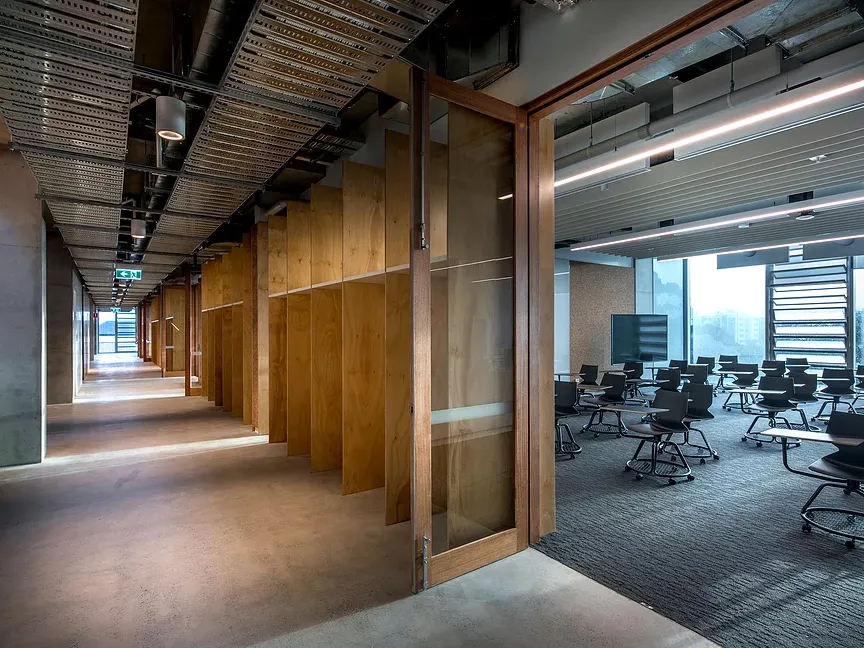
Glass partitions are an effective solution for maintaining openness in modern corporate offices while still managing noise.
Transparent surfaces allow natural light to flow across the workspace, reducing the need for artificial lighting and helping spaces feel more expansive. At the same time, enclosed glass rooms provide acoustic separation for meetings, calls, and focused work.
Victorian-style framing introduces visual continuity across the office interior. Slim metal or timber frames echo traditional proportions and detailing without appearing heavy or intrusive. This approach allows glass partitions to blend seamlessly with other Victorian-inspired elements, creating a cohesive and professional aesthetic.
From a functional perspective, glass partitions support collaboration without constant interruption. Teams remain visually connected, which encourages communication and transparency, while sound control ensures work can continue without unnecessary disturbances.
11. Muted Metallic Accents (Brass, Bronze)
Muted metallic finishes such as brass and bronze are preferable to high-gloss options in office environments. Softer metals reflect light gently, reducing glare that can cause discomfort or distraction during the workday. This makes them more suitable for spaces with strong artificial or natural lighting.
Subtle metallic detailing adds a layer of professional elegance without dominating the interior. Used on light fittings, door hardware, trims, or furniture accents, these finishes reinforce Victorian character while remaining refined and contemporary. The result is an office that feels polished rather than decorative.
In practical terms, muted metallics help maintain visual comfort. By avoiding harsh reflections, they support a calmer environment and contribute to consistent lighting conditions. This careful material choice enhances focus and creates a more comfortable setting for both employees and visitors.
12. Restrained Use Of Decorative Cornices
Decorative cornices introduce Victorian heritage character while maintaining a sense of structure within office interiors. When used with restraint, they frame ceilings elegantly without overwhelming the space. This subtle detailing helps define architectural identity without drawing attention away from daily work activities.
For modern commercial use, cornices are often simplified in profile and scale. Clean lines and reduced ornamentation ensure they complement contemporary lighting, ventilation systems, and ceiling treatments. This approach allows offices to honour Victorian design principles while meeting current functional requirements.
Maintaining ceiling interest without distraction is essential in professional environments. Restrained cornices add visual depth at a higher level, keeping work zones calm and uncluttered. The result is a balanced office interior that feels refined, orderly, and conducive to productivity.
13. Upholstered Seating In Calm, Solid Fabrics
Upholstered seating plays an important role in both visual and acoustic comfort within corporate offices. Calm, solid fabrics help absorb sound, reducing echo and background noise in shared spaces such as meeting rooms, lounges, and waiting areas.
Solid tones are generally more effective than patterned fabrics in professional settings. Patterns can draw unnecessary attention and create visual distraction, especially in areas where employees need to concentrate for extended periods.
Neutral and muted colours align well with modern Victorian interiors by adding softness without competing with architectural details.
Ergonomics remain a priority when selecting office seating. Upholstered chairs should support proper posture, offer adequate cushioning, and suit long working hours. When comfort and design are carefully balanced, seating enhances productivity while maintaining a polished and professional appearance.
14. Integrated Storage With Traditional Joinery Styling
Integrated storage is essential for reducing visible clutter in corporate offices. Built-in cabinets, shelving, and cupboards keep documents, equipment, and personal items out of sight, creating a clean and organised workspace. This sense of order helps employees focus and reduces the mental strain caused by untidy surroundings.
Victorian-inspired joinery can be adapted to meet modern office needs without appearing heavy or outdated. Clean-lined cabinetry with traditional proportions, subtle detailing, and modern hardware blends heritage character with contemporary function. Storage solutions can also be customised to accommodate technology, files, and shared resources.
From an operational perspective, integrated storage improves efficiency and organisation. Easy access to essential items supports smoother workflows, while consistent joinery design maintains visual harmony throughout the office. This approach reinforces professionalism and enhances daily productivity.
15. Dark Accent Walls In Focus Areas
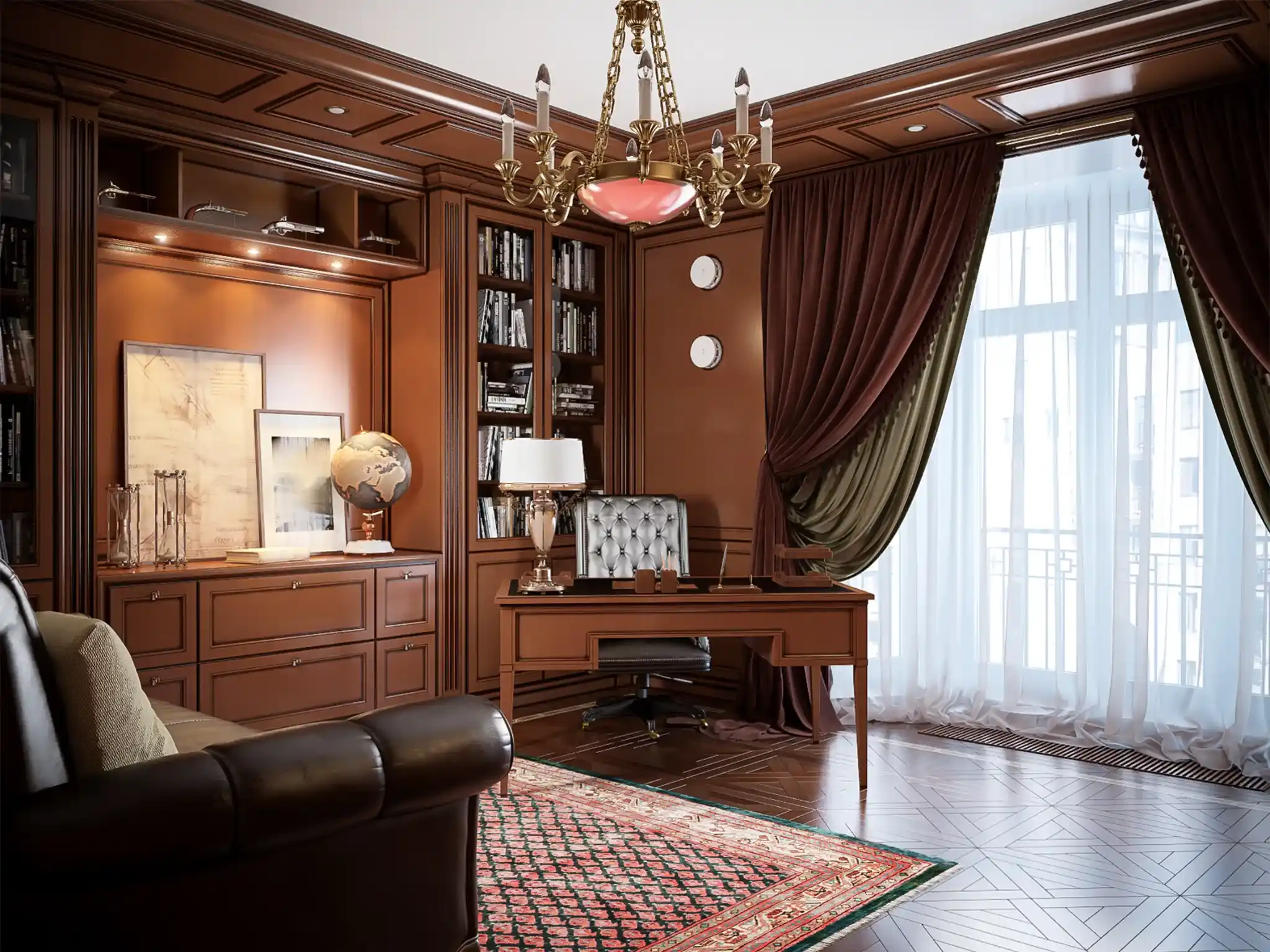
Dark accent walls can be highly effective in reducing glare and visual noise within office environments. Deeper hues such as charcoal, navy, or muted green absorb light rather than reflecting it, creating a calmer visual field. This makes them particularly suitable for areas where screens and focused tasks are common.
Strategic placement is key to achieving the right balance. Dark accent walls work best behind workstations, in meeting rooms, or within quiet zones where concentration is required. Limiting their use to selected areas prevents the office from feeling enclosed or overly dramatic.
Colour depth also plays a role in supporting concentration and privacy. Darker walls subtly define boundaries and create a sense of enclosure without physical barriers. This encourages focus, supports confidential discussions, and contributes to a more controlled and professional workspace.
16. Floor Zoning Using Herringbone Or Parquet Patterns
Classic flooring patterns such as herringbone and parquet play a subtle yet effective role in guiding movement within corporate offices.
These patterns naturally draw the eye along specific directions, helping employees and visitors understand circulation routes without the need for arrows or signs. In larger office layouts, this visual guidance supports smoother flow between work zones, meeting rooms, and communal areas.
Floor zoning through pattern variation allows offices to define spaces without adding partitions or barriers. Changes in direction or scale can distinguish focus areas from collaborative zones while maintaining an open and cohesive environment.
From a practical standpoint, herringbone and parquet flooring also meet the demands of commercial use. When specified with durable materials and finishes, these floors withstand heavy foot traffic while maintaining a professional appearance. Their timeless character reinforces brand credibility and long-term value.
17. Soft, Diffused Natural Light
Controlled natural light is essential in office environments, as excessive brightness can cause glare and discomfort. Soft, diffused daylight helps create a balanced atmosphere that supports visual comfort throughout the working day. This is particularly important in screen-heavy workplaces where light levels need careful management.
Window treatments play a key role in minimising glare while preserving daylight. Sheer blinds, textured curtains, or light-filtering films allow sunlight to enter gradually without harsh contrasts. These solutions maintain a bright interior while protecting employees from eye strain.
Natural light is closely linked to wellbeing and productivity. Exposure to daylight supports alertness, mood regulation, and overall comfort. Offices that manage natural light effectively often see improved focus and sustained energy among employees.
18. Heritage-Inspired Meeting Rooms With Minimal Decor
Meeting rooms benefit greatly from restrained décor that keeps attention on discussions and decision-making. Heritage-inspired details such as wall panelling or subtle cornices add character without overwhelming the space. By limiting decorative elements, the room remains focused and purposeful.
Balancing authority with comfort is important in meeting spaces. Victorian proportions and classic materials convey professionalism, while modern furniture and lighting ensure comfort during long sessions. This combination creates an environment that supports both leadership presence and open conversation.
Executive professionalism is reinforced through thoughtful design choices. Clean lines, controlled colour palettes, and minimal décor project confidence and clarity. These meeting rooms make a strong impression on clients while remaining practical for everyday corporate use.
19. Consistent Material Palette Across Floors
A consistent material palette across office floors plays a significant role in reducing cognitive fatigue. When employees move between spaces that share similar finishes, textures, and colours, the environment feels easier to process. This visual continuity allows the mind to stay focused on work rather than constantly adjusting to new surroundings.
Material repetition also supports seamless transitions throughout the office. Using the same wood tones, metal finishes, and surface textures across different zones creates a unified experience without abrupt changes. This approach is particularly effective in larger corporate offices where multiple departments share the same floorplate.
From a branding perspective, consistency strengthens spatial coherence. A well-curated palette reinforces the company’s identity and values while maintaining a professional atmosphere. Over time, this clarity contributes to a workplace that feels intentional, organised, and aligned with business objectives.
20. Enclosed Quiet Rooms With Victorian Character
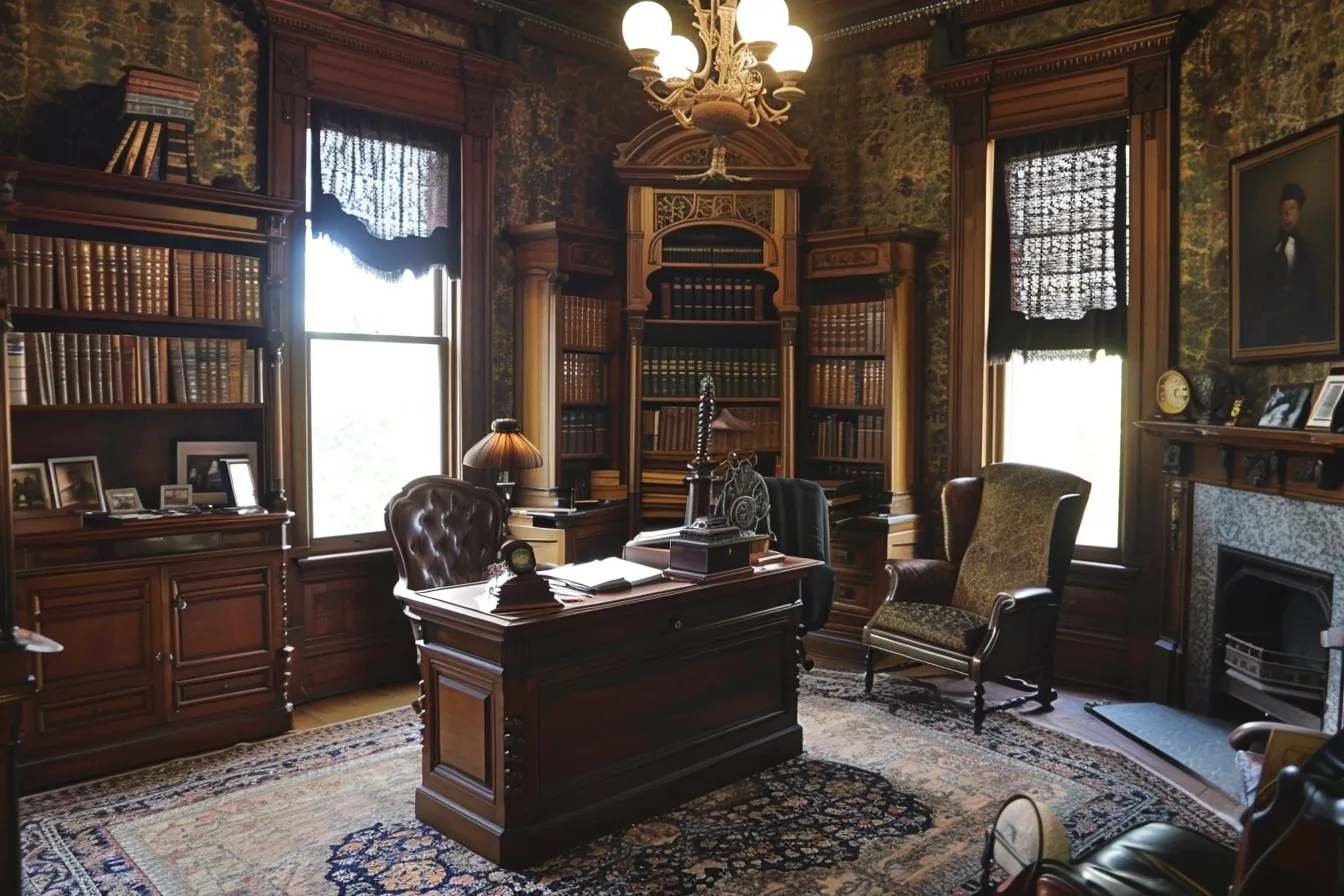
Enclosed quiet rooms are increasingly important in modern offices that support focused and individual work. These spaces provide employees with an escape from open-plan noise and constant interaction. By offering dedicated areas for concentration, offices can improve productivity and reduce mental fatigue.
Victorian character can be introduced into quiet rooms through subtle detailing such as panelled walls, traditional proportions, and warm materials. These heritage elements create a sense of comfort and stability while maintaining acoustic privacy. Sound insulation and soft finishes further enhance the effectiveness of these rooms.
Quiet rooms support deep work and confidential calls that require discretion. Employees can hold private conversations, focus on complex tasks, or prepare for meetings without interruption. This balance of privacy and design quality strengthens overall workflow and workplace satisfaction.
21. Traditional Door Frames With Modern Soundproofing
Doors play an essential role in managing noise within corporate offices. Well-designed door systems help control sound transfer between rooms, supporting quieter and more focused work environments. In areas such as meeting rooms and private offices, effective door design is particularly important.
Traditional door frames can be paired with modern soundproofing technologies to meet current acoustic standards. Solid-core doors, acoustic seals, and concealed insulation are integrated behind classic profiles. This allows offices to maintain Victorian-inspired aesthetics while improving performance.
Improved soundproofing enhances privacy without compromising visual appeal. Employees can work and communicate with confidence, knowing conversations remain contained. The result is a professional environment that balances heritage character with modern expectations for comfort and efficiency.
22. Controlled Artwork Placement
Artwork can enhance an office interior, but it should be used selectively within work zones. Excessive artwork in primary work areas can compete for attention and reduce concentration, particularly in roles that require sustained focus. Limiting visual stimuli helps employees remain attentive and reduces mental fatigue over the course of the day.
Transitional areas such as corridors, breakout spaces, and waiting zones are ideal locations for artwork. In these areas, visual interest supports movement and creates a more engaging experience without interfering with task-based activities. Artwork placed thoughtfully also helps define transitions between functional zones.
By controlling where and how artwork is displayed, offices can prevent visual overstimulation. This approach maintains a calm and orderly environment while still allowing the brand’s personality and heritage influences to be expressed in a refined way.
23. Warm, Even Lighting Temperatures
Lighting temperature has a direct impact on fatigue and comfort in office environments. Harsh or overly cool lighting can cause eye strain and discomfort, especially during long working hours. Warm, even lighting supports visual comfort and helps employees remain focused throughout the day.
Warm-neutral tones are particularly suitable for offices that combine Victorian elements with modern functionality. These tones soften the overall atmosphere while still providing sufficient brightness for work tasks. When applied consistently, they enhance both comfort and perceived quality of the space.
Consistency across workspaces is essential to avoid abrupt visual changes. Uniform lighting temperatures across offices, meeting rooms, and circulation areas create a cohesive environment. This consistency contributes to a calmer workplace and supports productivity.
24. Victorian-Inspired Built-In Bookshelves
Built-in bookshelves serve both functional and visual purposes in corporate offices. They provide organised storage for documents, reference materials, and display items while reinforcing a sense of order. This reduces surface clutter and helps maintain a professional appearance.
Victorian-inspired shelving is often integrated directly into wall structures. Clean lines, traditional proportions, and subtle detailing allow shelves to blend seamlessly with the interior. This integration prevents visual clutter and ensures storage remains discreet and efficient.
In executive and client-facing spaces, built-in bookshelves add character and credibility. They frame rooms elegantly and convey stability and experience. At the same time, they support practical storage needs without disrupting the overall design language.
25. Calm Reception Areas With Period Detailing
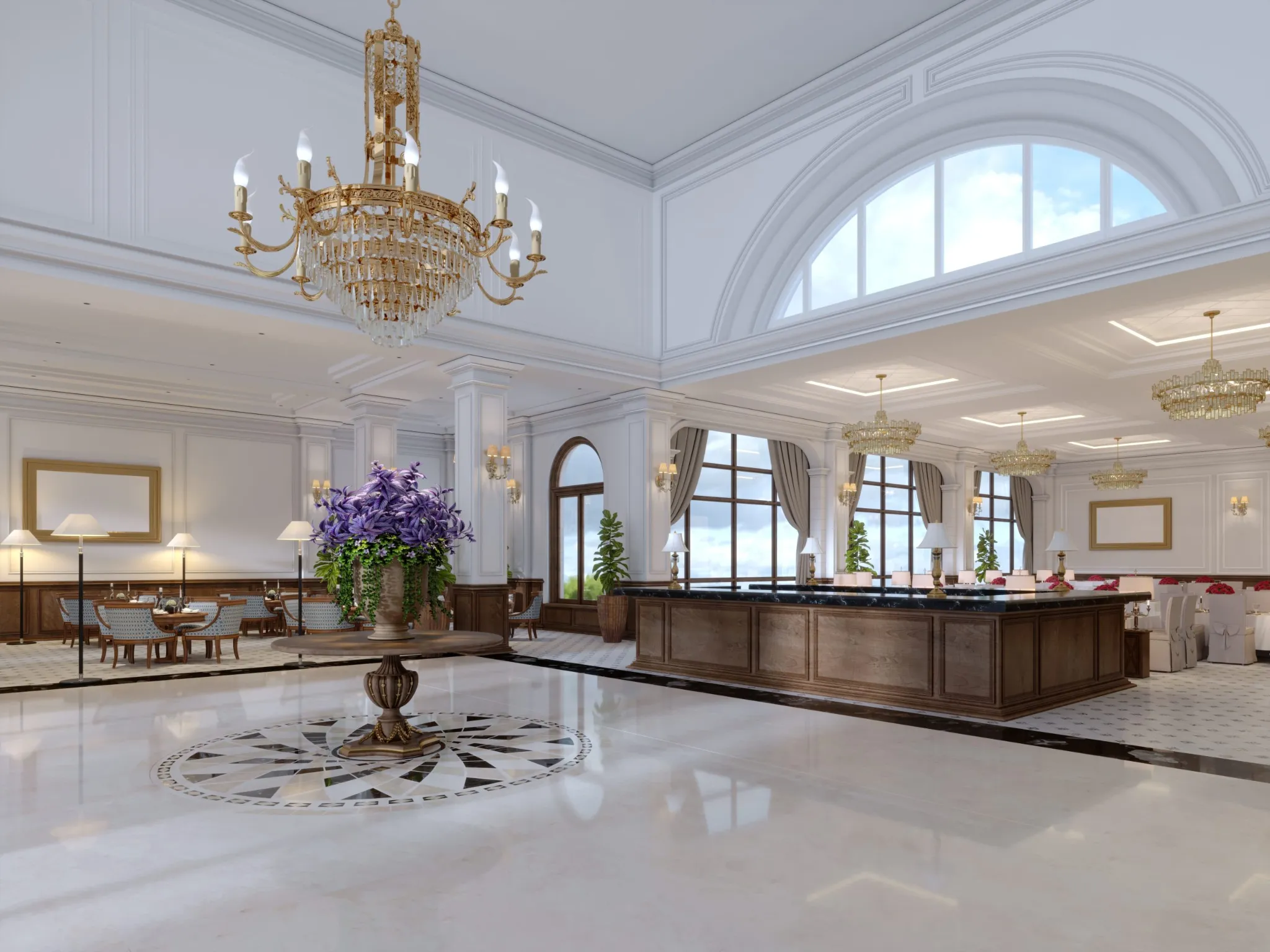
The reception area sets the tone for the entire office and shapes the first impression for clients and visitors. A calm, well-designed reception signals professionalism, organisation, and credibility from the moment someone enters the space. In corporate environments, this initial experience helps establish trust and reinforces brand positioning.
Period detailing inspired by Victorian design can be introduced in a controlled manner to avoid visual overload. Subtle wall panelling, classic lighting fixtures, or refined joinery provide character without dominating the space. By limiting decorative elements, the reception remains welcoming and uncluttered.
A calm reception environment also helps reduce stress for both visitors and staff. Clear layouts, comfortable seating, and balanced lighting contribute to a relaxed atmosphere. This creates a positive transition from the outside world into the working environment and supports smoother interactions.
26. Textured Walls Instead Of Bold Colours
Textured walls offer a refined alternative to bold colours in modern office interiors. Instead of relying on strong hues, texture adds visual interest through depth and surface variation. This approach supports a more understated and professional environment that aligns with modern Victorian design principles.
Plaster and limewash finishes are particularly effective in commercial settings. These materials create soft, organic textures that catch light gently without creating harsh contrasts. They also pair well with neutral colour palettes and classic architectural details.
By introducing texture rather than colour, offices gain depth without distraction. Textured walls remain visually engaging while allowing employees to stay focused on their tasks. This balance supports long-term comfort and productivity in the workplace.
27. Minimalist Furniture With Classic Proportions
Furniture scale has a significant impact on visual calm within office spaces. Oversized or bulky furniture can make rooms feel crowded and overwhelming. Minimalist furniture with well-considered proportions helps maintain openness and clarity throughout the office.
Victorian proportions can be adapted to modern ergonomics by refining shapes and simplifying forms. Chairs, desks, and tables retain balanced dimensions while incorporating contemporary comfort features. This ensures employees remain supported during long working hours without compromising design integrity.
Flexible furniture solutions are also important for evolving office needs. Modular and adaptable pieces allow spaces to be reconfigured as teams grow or work styles change. This adaptability ensures the office remains functional, efficient, and aligned with long-term business goals.
28. Decorative Elements Limited To Transitional Zones
Transitional zones such as corridors, lounges, and waiting areas are well suited for decorative elements inspired by Victorian design.
These spaces allow for visual interest without interfering with task-based activities. Ornamentation in transitional areas also helps create a sense of journey and rhythm as people move through the office.
Protecting work zones from visual clutter is essential for maintaining focus. By limiting decorative features to non-working areas, offices ensure that desks, meeting rooms, and focus zones remain calm and functional. This separation supports concentration and reduces unnecessary visual distractions.
This approach establishes a clear design hierarchy across the workplace. Decorative elements are used intentionally, enhancing identity and character in appropriate locations. As a result, the office feels structured, purposeful, and aligned with professional expectations.
29. Heritage Colour Blocking For Wayfinding
Heritage colour blocking offers a subtle method for guiding movement within corporate offices. Instead of relying on bold signage, colour variations help define different areas and routes. This creates a more intuitive experience for both employees and visitors.
Victorian-inspired palettes such as muted greens, warm greys, and deep blues work well for zoning. These colours reference traditional design while remaining soft enough for modern offices. When applied thoughtfully, they distinguish spaces without overwhelming the environment.
By using colour for wayfinding, offices reduce the need for excessive signs and labels. Movement becomes more natural and efficient, supporting smooth circulation. This understated approach enhances clarity while preserving a refined and professional atmosphere.
30. Balanced Mix Of Formal And Relaxed Spaces
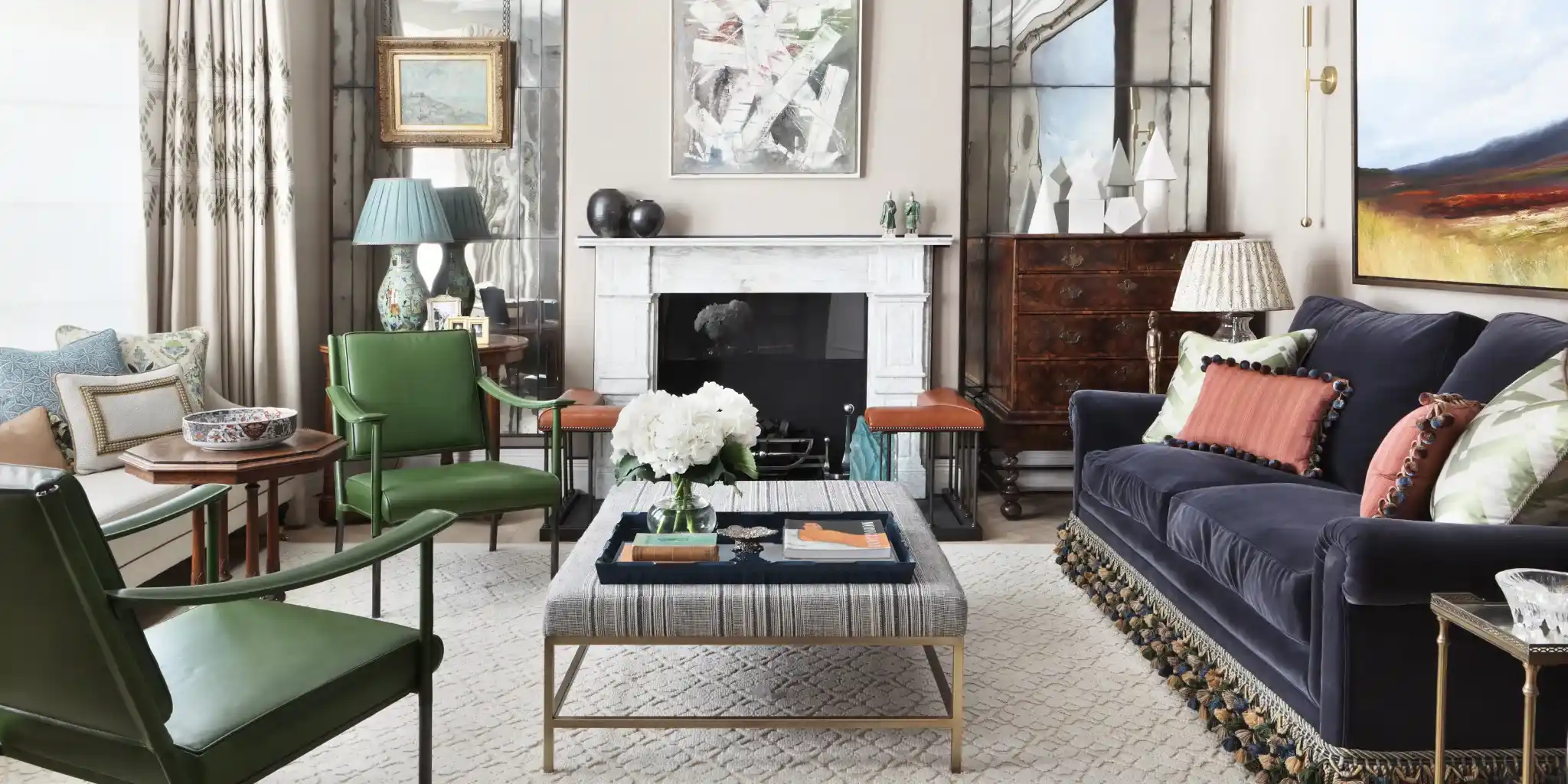
A successful modern Victorian office balances formality with areas designed for comfort. Formal spaces such as boardrooms and executive offices convey authority and professionalism through classic proportions and detailing. At the same time, relaxed zones provide employees with opportunities to reset and recharge.
Supporting both focus and mental recovery is crucial for long-term performance. Quiet work areas encourage concentration, while informal lounges and breakout spaces offer relief from intense tasks. This balance helps maintain energy levels throughout the day.
Employee satisfaction improves when the workplace supports different modes of work. By combining Victorian structure with modern comfort, offices create environments that feel supportive rather than rigid. Over time, this approach contributes to sustained productivity and stronger engagement.
Conclusion About Victorian Style Interior Design In Singapore
Modern Victorian interiors work especially well in Singapore’s corporate landscape, where businesses value professionalism, efficiency, and long-term brand positioning.
When applied thoughtfully, modern Victorian interior design ideas allow offices to retain a sense of heritage elegance while meeting the practical demands of contemporary work environments.
This balance is crucial in fast-paced commercial settings, as it supports focus, reduces visual and acoustic distractions, and creates spaces that feel purposeful rather than decorative.
For offices in Singapore, the appeal lies in adaptation rather than replication. Victorian elements are refined, simplified, and paired with modern planning to enhance workflow, employee comfort, and operational efficiency.
Over time, this approach delivers lasting value by creating workplaces that age well, support productivity, and project credibility to clients and partners alike.
If you are considering Victorian interior design Singapore solutions for your office, working with an experienced commercial specialist makes all the difference. Yangs Design Associates, established in 2017, is a leading interior design firm in Singapore with deep expertise in corporate and commercial spaces.
Their team combines strong design vision with practical construction knowledge, offering services such as Design and Build, Design Consultancy, Pre-lease, and Reinstatement.
Contact Yangs Design Associates today for a free consultation and discover how a well-designed office can support both your people and your business goals.
Frequently Asked Questions About Victorian Style Interior Design In Singapore
Are Modern Victorian Office Designs Suitable For Client-Facing Spaces?
Yes, modern Victorian office designs are well suited for client-facing areas such as reception zones and meeting rooms.
The refined detailing and balanced proportions help project professionalism, stability, and credibility. When paired with modern layouts, these spaces remain welcoming without feeling formal or outdated.
Is Victorian Interior Design Suitable For Small Corporate Offices In Singapore?
Victorian interior design can work effectively in small corporate offices when ornamentation is kept minimal and layouts are carefully planned. Simplified detailing and lighter colour palettes prevent spaces from feeling cramped. This approach allows smaller offices to retain character while remaining practical and efficient.
What Materials Are Commonly Used In Modern Victorian Office Interiors?
Modern Victorian office interiors commonly use wood accents, glass partitions, textured wall finishes, and subtle metallic details such as brass or bronze.
These materials are often paired with contemporary finishes for durability and ease of maintenance. The combination supports both aesthetic quality and everyday commercial use.
Do Modern Victorian Office Interiors Age Well Over Time?
Modern Victorian office interiors tend to age well because they rely on timeless proportions and restrained detailing. Unlike trend-driven designs, this style remains relevant as business needs evolve. With durable materials, the spaces continue to look polished over the long term.
Can Modern Victorian Interior Design Be Customised For Different Industries?
Yes, modern Victorian interior design can be adapted to suit different industries through tailored layouts, materials, and levels of formality.
Professional services may favour more structured spaces, while creative sectors can adopt a softer interpretation. This flexibility allows the design to align with specific operational and branding needs.

