
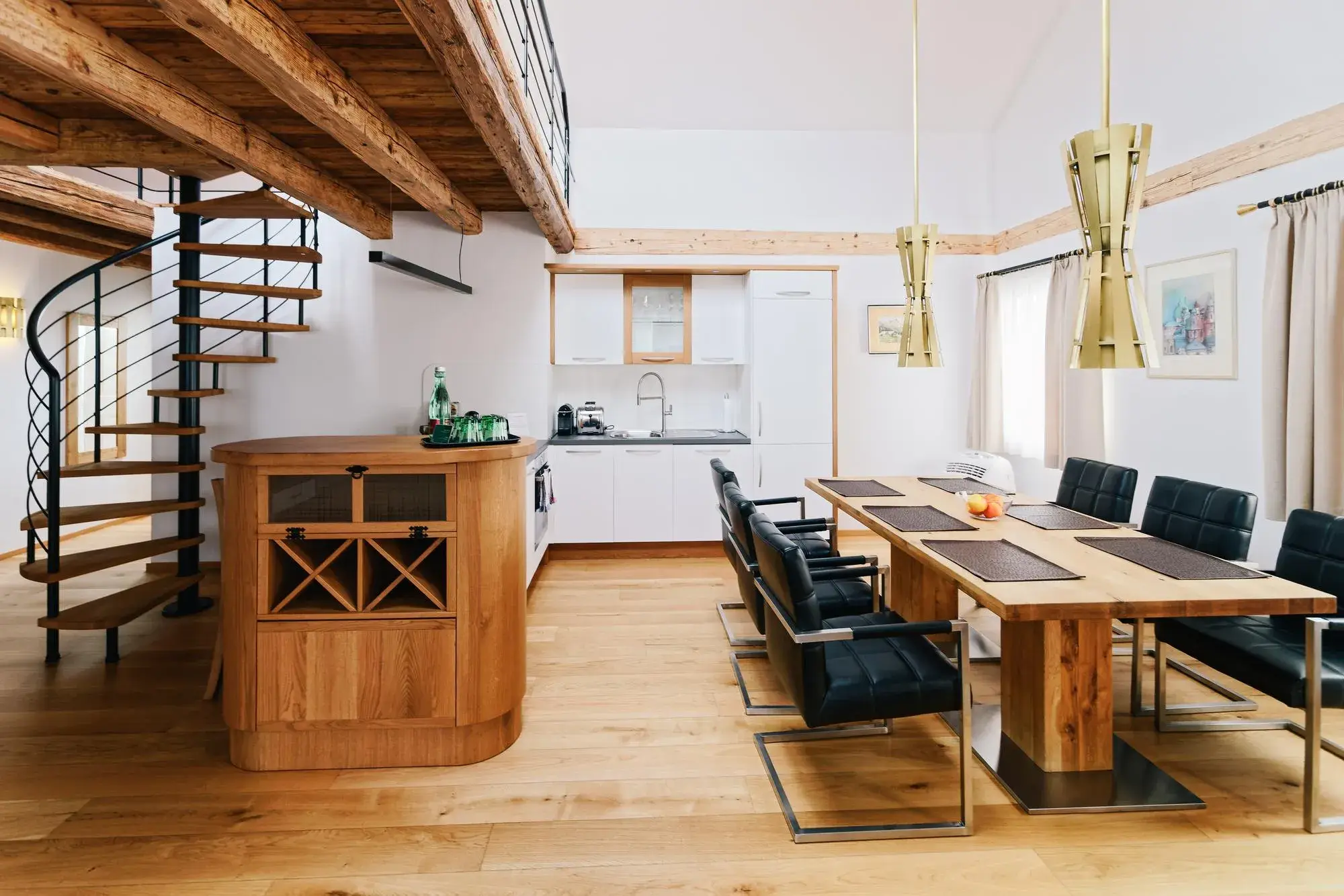
Sterile, monochrome offices are a relic of the past. Today’s high-performance organisations are embracing “Rustic-Modernism” to create environments where employees actually want to be.
By integrating modern rustic interior design ideas, you can transform a cold corporate floor into a warm, grounded hub that prioritises well-being without sacrificing professional efficiency.
This aesthetic isn’t just a trend; it’s a strategic tool. Blending organic textures with contemporary lines has been proven to lower stress and sharpen cognitive focus. In this guide, we explore 25 practical ways to balance “warmth” with “work,” helping you optimise workflow and build a truly resilient workspace.
1. Use Vertical Floor-To-Ceiling Wood Slats
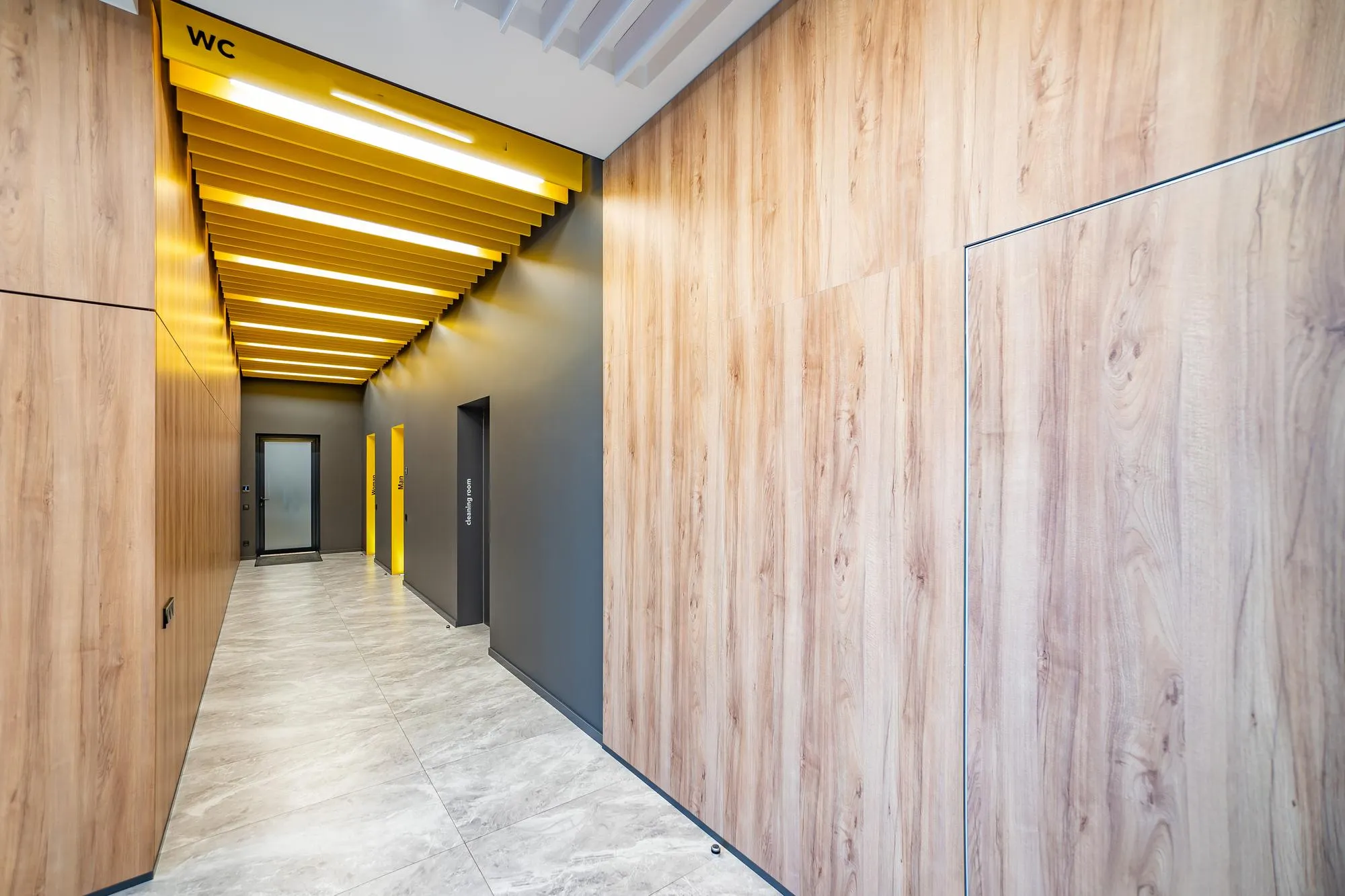
In the modern corporate landscape, the traditional solid wall often feels restrictive and detrimental to a collaborative culture. Implementing vertical floor-to-ceiling wood slats offers a sophisticated architectural alternative, creating clear boundaries while preserving an airy, open-office atmosphere.
These slim timber fins act as a visual filter, providing the necessary “visual privacy” to shield workstations from the high-traffic corridors that often lead to “wandering eye” distractions.
By breaking up line-of-sight without blocking natural light, employees can enjoy a sense of individual enclosure while still feeling connected to the wider team’s energy.
For business owners in Singapore, selecting the right wood species is a critical first step. Given our tropical humidity, hardwoods like American Walnut or Teak are preferred for their stability and rich, professional grain.
We recommend a “rhythm” of 20mm to 40mm spacing between slats; this allows light to filter through beautifully while effectively masking the clutter of desks and monitors from the reception area. Beyond mere zoning, these slats serve as a powerful branding backdrop.
Mounting a laser-cut company logo directly onto the timber fins creates a tactile, high-end first impression that resonates with both clients and talent.
2. Tech-Free Zone With Built-In Dark Wood Bookshelves And Soft Leather Seating
Continuous exposure to blue light and digital notifications is a primary driver of workplace fatigue. A “tech-free” zone, designed as a modern library, serves as a vital “analog” haven for deep work and creative problem-solving.
By using built-in dark wood bookshelves, such as Stained Oak or Cherry, you introduce a sense of gravity and quietude to the office.
These dense, natural materials naturally dampen ambient noise, creating a sanctuary where employees can retreat for focused research or quiet reflection away from the hum of servers and ringing phones.
The furniture within these zones should prioritise high-touch, tactile materials. We suggest pairing matte wood finishes with ergonomic, soft leather lounge chairs to encourage long-duration focus.
Matte finishes are particularly effective in a modern rustic setting as they prevent the harsh glare often found on polished surfaces, which can contribute to eye strain.
These zones aren’t just for rest; they are strategic “brain-reset” stations. Providing a space that prioritises physical comfort and sensory warmth has been shown to improve cognitive clarity, allowing for more effective brainstorming once employees return to their digital tasks.
3. Use Large, Natural-Fiber Rugs
Open-plan offices frequently struggle with “acoustic bounce” and a lack of definition between departments. Utilising oversized natural-fiber rugs, such as those made from Jute, Sisal, or Wool, is an effective way to anchor specific functional zones without the need for permanent structural changes.
These rugs act as subconscious “zoning tools,” guiding the flow of foot traffic away from focus areas and towards collaborative hubs. The organic texture of a large rug adds a layer of rustic warmth to a modern office, instantly “softening” the aesthetic of glass and steel environments.
When specifying rugs for a commercial environment, durability is paramount. Sisal is exceptionally resilient and can easily withstand the constant movement of office chair casters, while Wool offers superior sound absorption for boardrooms where acoustic privacy is a priority.
Beyond aesthetics, these fibers are naturally hypoallergenic and contribute to better indoor air quality by trapping dust, a significant benefit for high-occupancy Singaporean business hubs.
4. Soundproof Booths Finished With Reclaimed Wood Exteriors
In an era of back-to-back virtual meetings, acoustic privacy has become a non-negotiable requirement for the modern workplace. Soundproof booths offer the perfect solution for confidential calls, but they often resemble sterile plastic boxes that clash with a sophisticated interior.
By finishing these high-tech pods in reclaimed wood exteriors, you create a striking visual contrast that marries cutting-edge technology with “old-world” charm. This design choice transforms a purely functional piece of equipment into a warm, architectural feature wall that draws the eye and invites use.
Integrating these pods seamlessly into your office architecture requires a bespoke approach. Rather than treating them as freestanding “add-ons,” consider recessing the booths into existing alcoves or flanking them with matching timber panelling to create a unified, built-in appearance.
Using weathered barn wood or aged pine for the outer shell provides a tactile grit that softens the clean lines of the booth’s glass doors.
For Singaporean firms operating in sleek CBD high-rises, this serves as a grounding element, offering a private sanctuary that feels less like a corporate cubicle and more like a quiet retreat.
5. Use Furniture Placement
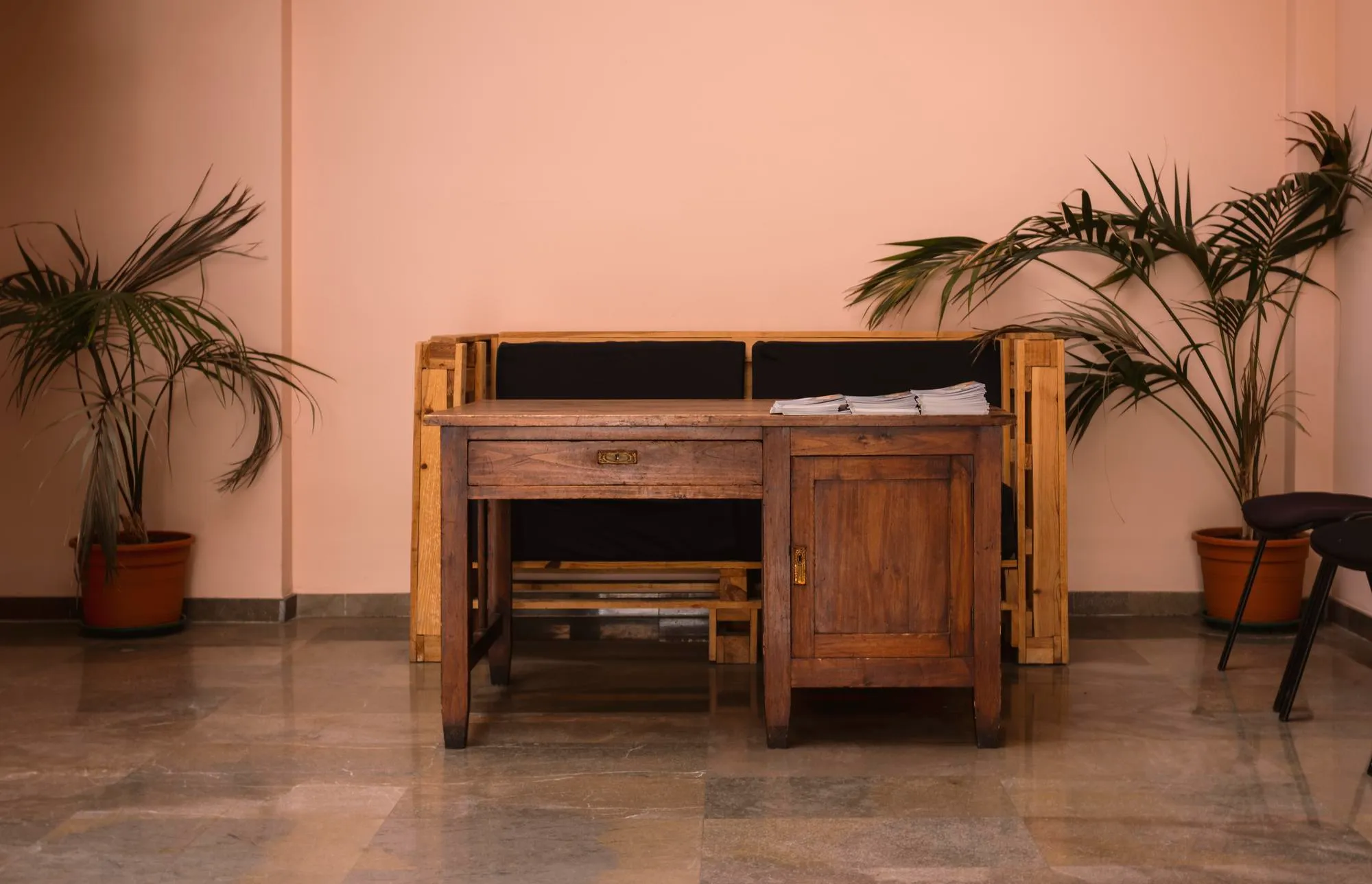
The rigid, grid-like layouts of traditional offices often contribute to a “factory-line” mentality, which can stifle creativity and heighten employee stress. Moving away from linear rows in favour of meandering desk clusters and varied seating heights encourages a more natural, fluid movement through the workspace.
By intentionally breaking up the floor plan, you foster an environment where spontaneous, low-pressure collaboration happens more frequently.
This “organic” flow mimics the unpredictability of natural environments, which has been shown to improve mood and cognitive flexibility in high-pressure corporate settings.
Strategically placed furniture acts as a silent navigator for both staff and visitors. Large rustic tables, such as communal benches made from thick oak, can serve as natural “roundabouts” for social interaction, while modern credenzas positioned at slight angles help to steer foot traffic away from sensitive focus zones.
This subtle redirection ensures that even in an open-plan office, there is a clear distinction between high-energy transit routes and quiet work pods.
6. Choose Matte-Finished, Wide-Plank Walnut For Conference Tables
The boardroom table is arguably the most important piece of furniture in a corporate suite, yet many firms settle for cold glass or reflective laminates that create uncomfortable glare during digital presentations. Swapping these for massive, matte-sealed walnut slabs immediately elevates the professional tone of the room.
Wide-plank walnut provides a deep, rich hue that exudes authority and permanence, qualities that are invaluable during high-stakes negotiations.
The matte finish is particularly beneficial for workflow; it absorbs light rather than reflecting it, significantly reducing eye strain for participants who are frequently looking between their laptops and a projector screen.
Beyond the visual impact, the sheer “weight” of a heavy wood table creates a psychological sense of stability and trust. To maintain the modern side of the rustic aesthetic, it is essential to integrate technology discreetly.
We recommend custom-milling the walnut to include hidden cable management systems and pop-up power outlets that remain flush with the surface when not in use. This ensures the table remains a clean, uncluttered surface that facilitates clear communication.
7. Cork Wall Paneling
Cork is making a significant comeback in the high-end corporate world, moving far beyond the simple office noticeboard to become a sophisticated, full-scale wall treatment.
Applying natural cork tiles or large-format sheets provides an immediate acoustic upgrade, as the material’s cellular structure is exceptionally efficient at absorbing mid-to-high frequency sounds.
In a bustling Singaporean business hub where ambient chatter can derail concentration, a cork feature wall serves as a functional “sound sponge.”
Beyond its technical performance, it transforms a sterile partition into a giant, tactile mood board, allowing teams to pin up blueprints, sketches, and inspirations during collaborative sessions without damaging the underlying surface.
To maintain a premium corporate aesthetic, the choice of texture is paramount. Fine-grain cork offers a subtle, suede-like appearance that complements minimalist modern furniture, while “bark-style” cork provides a rugged, three-dimensional relief that mimics the exterior of a tree.
This coarser texture adds a dramatic rustic element to an executive suite or a creative agency’s brainstorm room. For a truly bespoke look, consider alternating different shades of natural cork to create a geometric pattern.
This approach delivers a sustainable, biophilic finish that feels warm to the touch and provides a soft visual break from the glass and steel typically found in Singapore’s CBD.
8. Leather Desk Pads
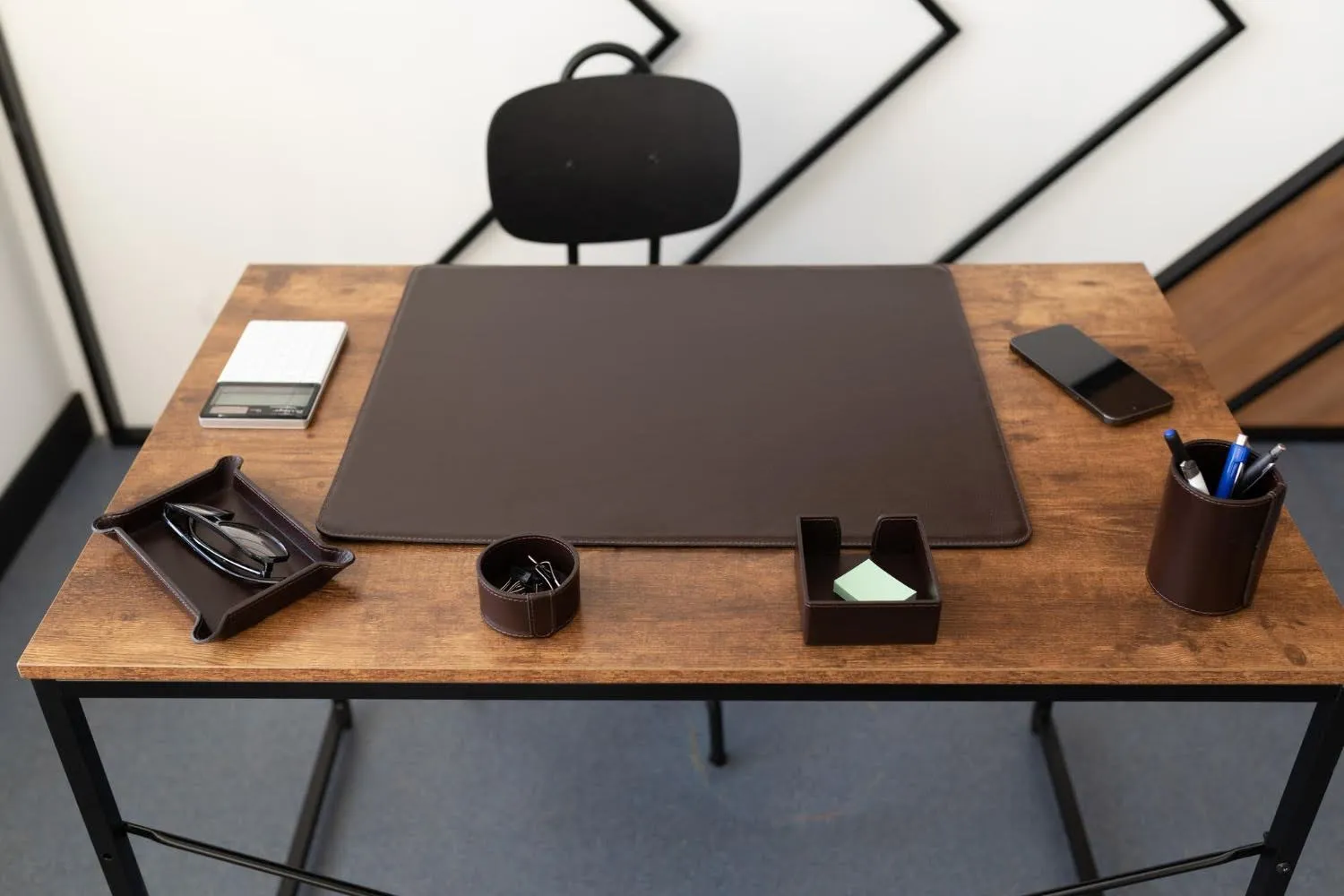
Modern workstations often rely on cold, hard surfaces like metal, glass, or high-pressure laminates which, while durable, can feel clinical and uncomfortable during a long workday.
Integrating high-quality, distressed leather desk pads is a simple yet effective way to introduce a “premium rustic” touch to every individual desk.
These mats provide a soft, temperature-regulated surface for the forearms, significantly improving ergonomic comfort for employees who spend hours at their computers.
This tactile addition bridges the gap between the efficiency of modern tech and the sensory richness of traditional craftsmanship, making the daily grind feel more like a bespoke experience.
Achieving a sophisticated look requires careful colour coordination between the leather and the desk surface. A rich cognac or tan leather creates a stunning, warm contrast when placed on minimalist white or light grey desks, instantly humanising the technology.
Conversely, a dark espresso or charcoal leather pad on a dark wood desk offers a moody, executive feel that suits law firms or financial institutions. By providing these pads, you are not just protecting the furniture; you are creating a “focus bubble” for the employee. The leather naturally dampens the sound of a mouse clicking and the clatter of keyboards, contributing to a quieter, more focused atmosphere across the entire floor.
9. Board-Formed Concrete Walls
For those seeking an “industrial-rustic” hybrid, board-formed concrete is an architectural masterpiece that offers unparalleled character.
This technique involves pouring concrete into timber moulds, so that when the boards are removed, they leave a permanent, fossilised impression of the wood grain and knots on the concrete surface.
The result is a wall that possesses the raw strength and permanence of stone but the organic warmth and story of timber. In a corporate setting, this provides a sense of structural integrity and stability, which subconsciously fosters a feeling of psychological security and “solid ground” for your staff.
The true beauty of a board-formed wall is revealed through strategic lighting. We recommend using recessed floor “up-lighters” or ceiling-mounted wall washers to cast light across the surface at an angle.
This technique, known as grazing, catches the ridges of the wood-grain impression, creating deep shadows and highlights that make the wall look like a piece of sculptural art.
For Singaporean business owners looking to make a statement in a lobby or boardroom, this finish offers a sophisticated, low-maintenance alternative to traditional wallpaper or paint. It is a bold choice that communicates a brand’s resilience and attention to the fine details of craftsmanship.
10. Hang Circular Wool-Felt Panels From The Ceiling
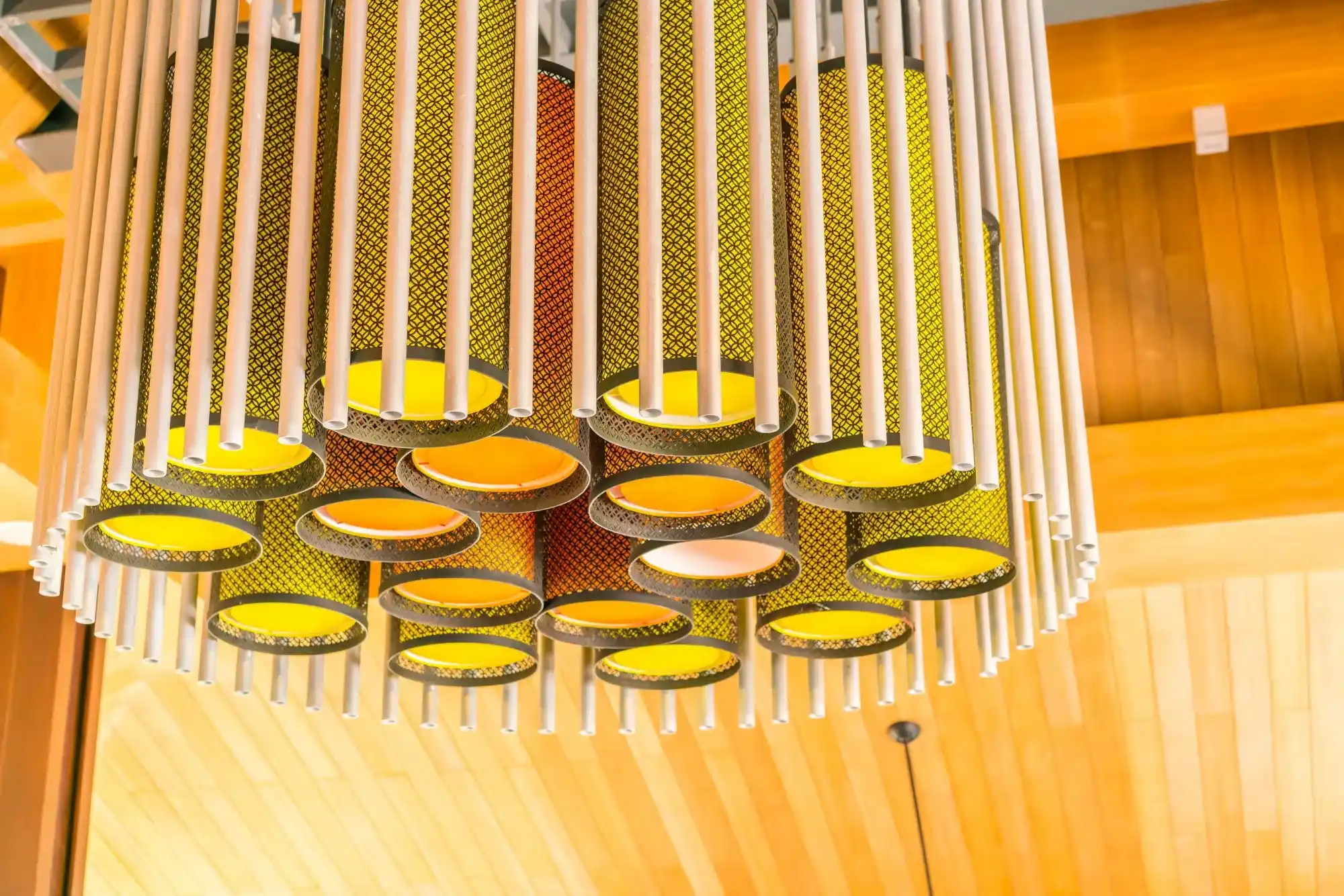
Modern office architecture often celebrates high, exposed ceilings and hard surfaces, but this frequently results in a distracting “echo chamber” effect. Suspending circular wool-felt panels, often referred to as acoustic clouds, provides a soft-surfaced solution that breaks up sound waves before they can bounce off the slab above.
These baffles introduce a rustic, artisanal texture to the overhead plane, contrasting beautifully with industrial ductwork or sleek lighting tracks.
By using natural wool, a material prized for its inherent sound-dampening properties, you can significantly lower ambient noise levels, making open-plan areas feel much more intimate and conducive to concentration.
To achieve a cohesive look, we recommend using colour-matched wool in earthy tones like sage, charcoal, or oatmeal. These shades complement wooden workstations and flooring, reinforcing the modern rustic theme while performing a vital technical function.
Arranging these panels in a geometric array or at varying heights adds visual interest and maximises sound absorption by capturing noise from multiple angles.
For Singaporean business owners operating in converted shophouses or high-ceilinged industrial lofts, these felt clouds are a practical investment that turns a potential acoustic nightmare into a quiet, high-design feature.
11. Replace Digital Screens In Lobbies With Preserved Moss Walls
The lobby is the first point of contact for clients and staff alike, yet many corporate entrances rely on flickering digital screens that contribute to sensory overload.
Swapping high-energy LED displays for lush, preserved moss walls introduces the “Biophilic Reset”, a psychological phenomenon where immediate exposure to greenery lowers heart rates and reduces cortisol levels.
This living art installation sets a calm, grounded tone for the entire workday, signaling that your organisation values well-being as much as innovation. Because these walls use preserved moss, they are virtually maintenance-free, requiring no sunlight or irrigation to retain their vibrant green hue.
For a sophisticated finish, these moss installations can be housed in heavy wooden frames made from reclaimed oak or cedar, bridging the gap between nature and architecture.
You can also integrate your company logo directly into the moss using backlit metal or wood lettering, creating a high-impact branding element that feels organic rather than commercial.
12. Use Modern White Desks With Built-In Wooden Troughs
Marrying the “modern” need for clean, minimalist surfaces with “rustic” vitality can be a challenge, but the solution lies in integrated furniture design.
A sleek, white minimalist desk featuring a built-in wooden trough allows you to bring air-purifying plants directly into an employee’s line of sight without cluttering the workspace.
This design keeps the primary work surface clear for laptops and documents while the central or rear timber channel houses a variety of greenery or essential supplies. It is an elegant way to ensure that the office remains orderly while benefiting from the softening effect of natural wood and foliage.
The functional benefits of “desktop greenery” are well-documented; plants like Sansevieria or Zamioculcas zamiifolia (ZZ plants) help purify indoor air by removing toxins commonly found in office environments.
Having nature within arm’s reach has been shown to boost focus and creative output, providing a micro-break for the eyes during intense tasks. For corporate administrators looking to enhance the daily experience of their teams, these desks offer a brilliant compromise.
They provide the clinical efficiency required for modern data-driven roles while ensuring the workspace feels alive, textured, and distinctly human.
13. Floor-To-Ceiling Windows With Natural Frames
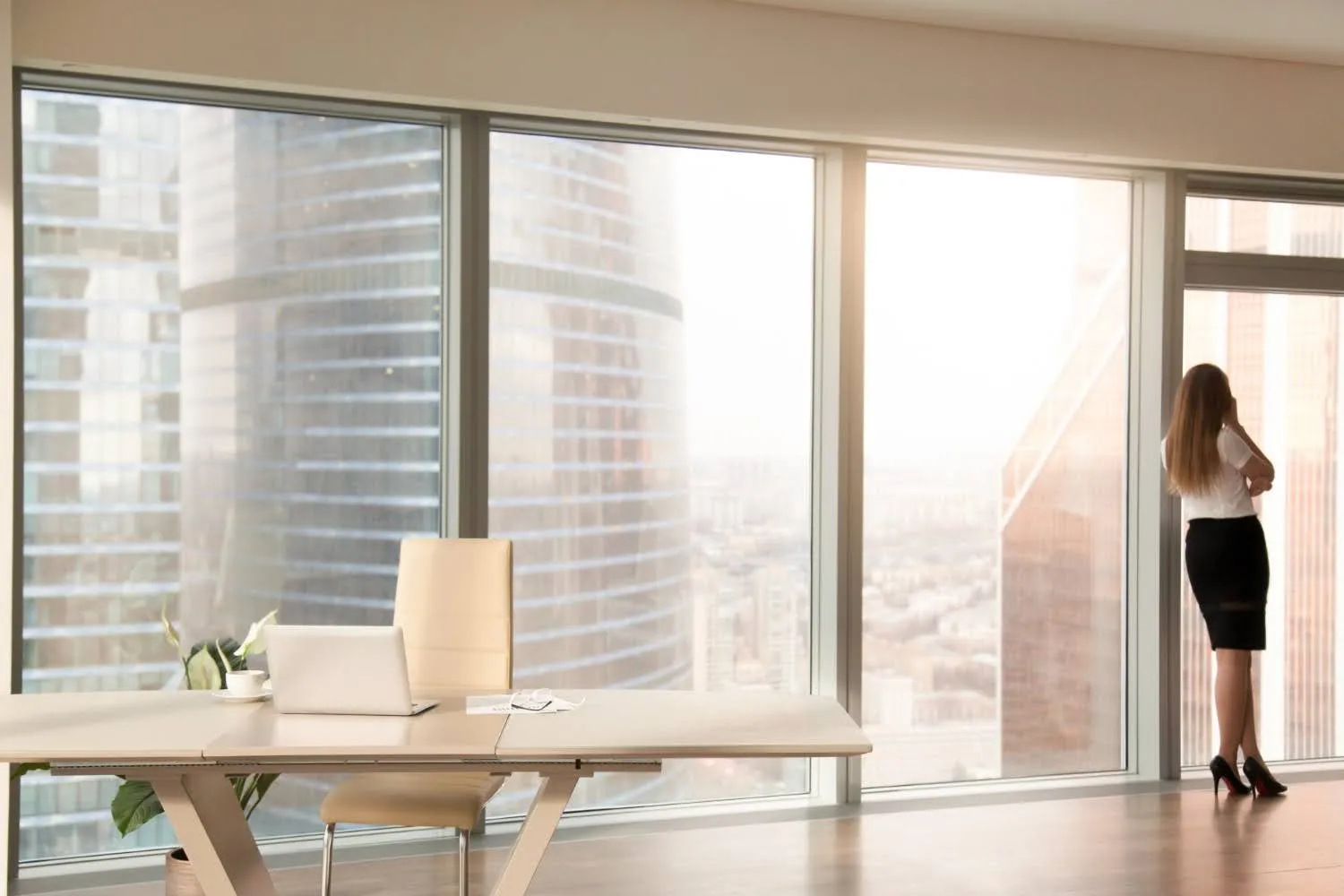
In the towering skyscrapers of Singapore’s financial district, the transition between a high-tech interior and the exterior world is often marked by cold, industrial aluminium window frames.
By swapping these standard finishes for thick, rustic timber beams, you can effectively “frame the view,” turning a simple window into a majestic landscape feature.
This design choice encourages employees to engage in visual “nature breaks,” a practice scientifically proven to restore attentional resources and lower eye strain.
Framing the cityscape or a nearby park with natural wood grounds the office, making a high-rise floor feel less like an isolated glass box and more like a sophisticated, sky-high cabin.
To ensure these frames remain as durable as they are beautiful, it is vital to select wood finishes that can withstand the intense Singaporean sunlight.
We recommend using UV-resistant oils on hardy species like Iroko or Burmese Teak, which maintain their structural integrity and colour even under constant exposure to heat.
These heavy timber surrounds provide a sense of warmth that softens the “fishbowl” effect of floor-to-ceiling glass, creating an environment that feels secure and premium.
14. Circadian-Synced Timber Pendants
Lighting is often the most overlooked factor in office productivity, yet it dictates the biological rhythm of every person in the room. Circadian-synced timber pendants represent the pinnacle of “human-centric lighting,” combining smart technology with a rustic, tactile aesthetic.
These modern fixtures are designed to adjust their light warmth automatically throughout the day, emitting a crisp, cool blue-white light in the morning to sharpen focus and transitioning to a warm, amber glow in the late afternoon.
This transition supports the body’s natural production of melatonin and cortisol, effectively preventing the dreaded “3 PM energy slump” that plagues many corporate environments.
The technology behind these smart timber pendants allows administrators to programme lighting scenes that align with the specific workflow of a department.
From a design perspective, the wooden casing of the pendant, be it minimalist oak cylinders or hand-carved walnut hoops, softens the “lab-like” feel of high-intensity LEDs.
By investing in lighting that respects the hormonal workflow of your staff, you are not just illuminating a desk; you are enhancing the cognitive stamina of your workforce.
15. Slate Stone Water Features
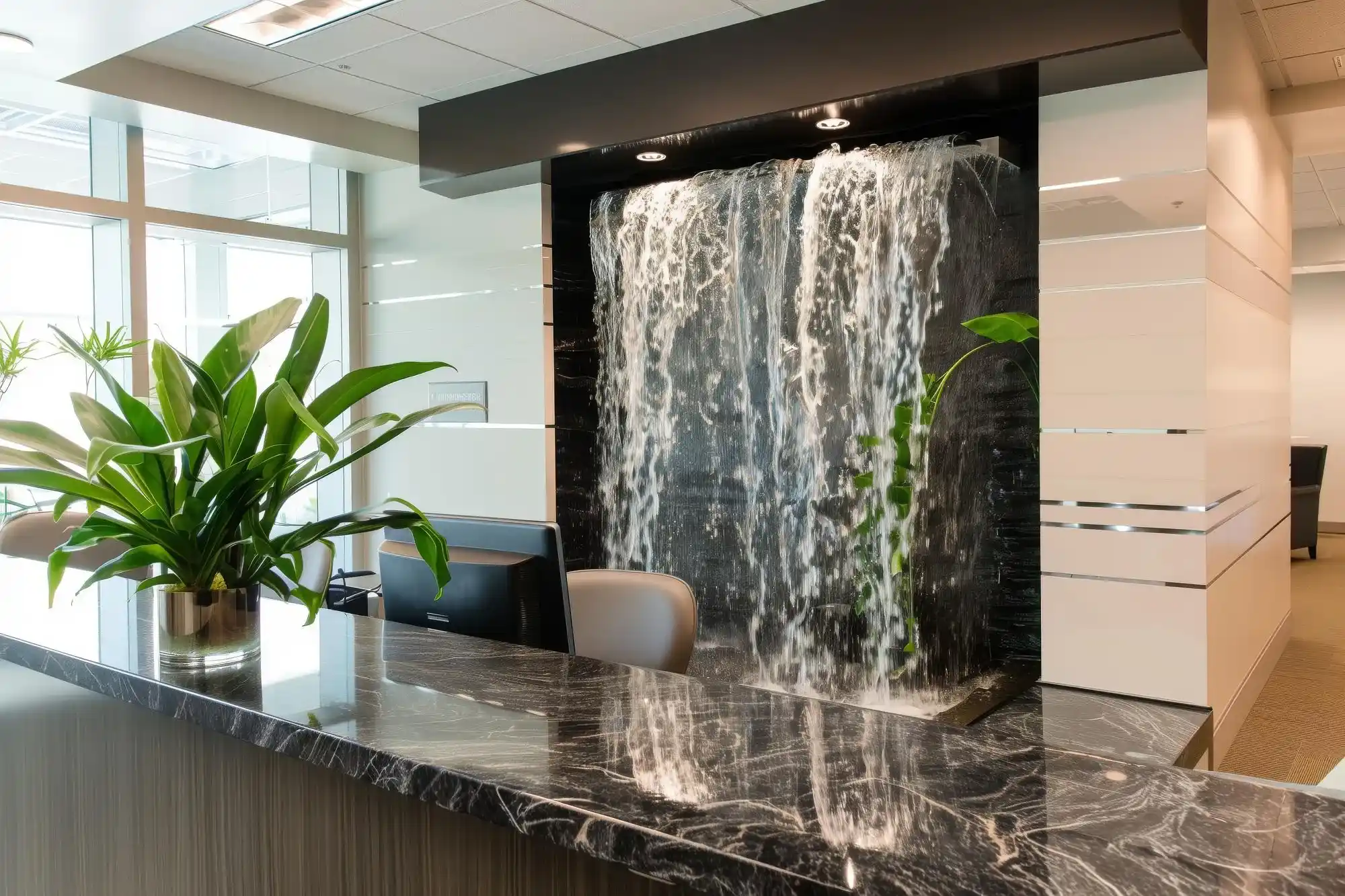
One of the greatest challenges in an open-plan corporate space is the constant hum of distracting background chatter. Minimalist slate stone water features offer a natural solution through “acoustic masking.”
The gentle, consistent white noise of water cascading over dark, honed slate serves to drown out distant conversations and mechanical hums, creating a private “sound bubble” for those working nearby.
Whether designed as a floor-standing monolith or a sleek, wall-mounted sheet of water, these features introduce an element of movement and life that static furniture simply cannot match.
To keep these features suitable for a professional lobby or common area, maintenance-free filtration systems and silent submersible pumps are essential.
Honed slate is an ideal material for this application because its dark, textured surface hides water spots while providing a rich, “zen-like” backdrop that complements wooden reception desks.
When placed in a high-traffic entry zone, a slate water feature acts as a focal point that immediately signals a brand’s commitment to a calm, high-quality atmosphere.
16. Hidden Tech In Handcrafted Cabinets
Visual clutter is one of the most significant, yet overlooked, drains on mental clarity in the workplace. A desk surrounded by tangled wires, bulky printers, and flashing server racks forces the brain to process unnecessary stimuli, leading to increased cognitive load and stress.
By investing in custom-built wooden cabinetry, you can effectively “hide” the machinery of modern business. These handcrafted units serve a dual purpose: they provide a warm, rustic focal point for the office while acting as a sophisticated shroud for the “mess” of technology.
Removing these visual distractions allows your team to maintain a clear, focused mindset, which is essential for high-level problem-solving.
To keep the aesthetic contemporary and functional, consider clever cabinetry solutions like sliding barn-door panels. These are particularly useful in tight Singaporean office layouts where swinging doors might obstruct walkways.
When the printer or server is needed, the rustic timber panel glides aside effortlessly; when the task is done, the tech disappears, leaving behind only the calm texture of natural wood.
17. Oversized Metal Wall Clocks
In a world dominated by digital notifications and smartphone screens, the constant checking of devices for the time often leads to a rabbit hole of distracting emails and messages.
Large, analog wall clocks, featuring wrought iron or distressed steel finishes, reintroduce the value of “analog time” to the corporate workspace.
A quick glance at a physical clock allows teams to track their periods of deep work or time-box their meetings without the risk of being derailed by a digital notification. This simple shift back to traditional timekeeping helps maintain the “flow state,” which is crucial for peak productivity.
For maximum impact, these clocks should be used as decorative anchors in high-traffic areas like boardrooms or communal breakrooms.
A distressed steel clock face against a clean, white wall provides that quintessential modern rustic contrast: it feels both industrial and artisanal. Placing a large-scale timepiece at the end of a long corridor or above a reception desk creates a sense of punctuality and order.
18. Woven Basket Organisation
Storage is often the most industrial and uninspiring part of an office, usually consisting of cold metal lockers or cheap plastic bins. Transitioning to woven basket organisation, using materials like seagrass, willow, or wicker, instantly softens the corporate environment, making it feel more “home-like” and approachable.
These natural textures break up the hard lines of modern shelving units, introducing an organic warmth that reduces the “factory-like” feel of large-scale storage walls. This shift towards a more tactile, human-centric environment has been shown to improve employee morale by making the office feel less clinical.
Maintaining a professional look requires the use of uniform basket styles across your open shelving. By choosing a consistent weave and colour, perhaps a dark seagrass to match black steel frames, you keep the space looking intentional and curated rather than chaotic.
These baskets are perfect for storing everything from office supplies to personal belongings in a way that keeps the contents out of sight.
For administrators looking to tidy up a communal area or a creative studio, woven baskets offer a durable, sustainable, and aesthetically pleasing alternative that proves “rustic” can be perfectly synonymous with “organised.”
19. Chalkboard Stone Feature Walls
In the fast-paced world of Singaporean business, the best ideas often start with a simple sketch. While digital whiteboards have their place, there is a profound “Tactile Collaboration” benefit to be found in dark, natural slate walls.
Using honed slate as a floor-to-ceiling feature wall allows it to double as a giant chalkboard for brainstorming. Writing on a stone surface feels more grounded and permanent than a fleeting digital screen; it encourages teams to slow down, think deeply, and engage physically with their ideas.
This earthy, matte backdrop provides a sophisticated rustic texture that balances out the high-tech equipment found in modern “war rooms” or communal office cafes.
Maintaining these surfaces is remarkably straightforward, requiring only a damp microfibre cloth to reset the canvas for the next project.
For a more professional look, we recommend using liquid chalk markers which provide a crisp, dust-free line that stands out brilliantly against the dark stone. These walls work exceptionally well in breakout areas where spontaneous creativity is encouraged.
20. Minimalist Wood Sculpture
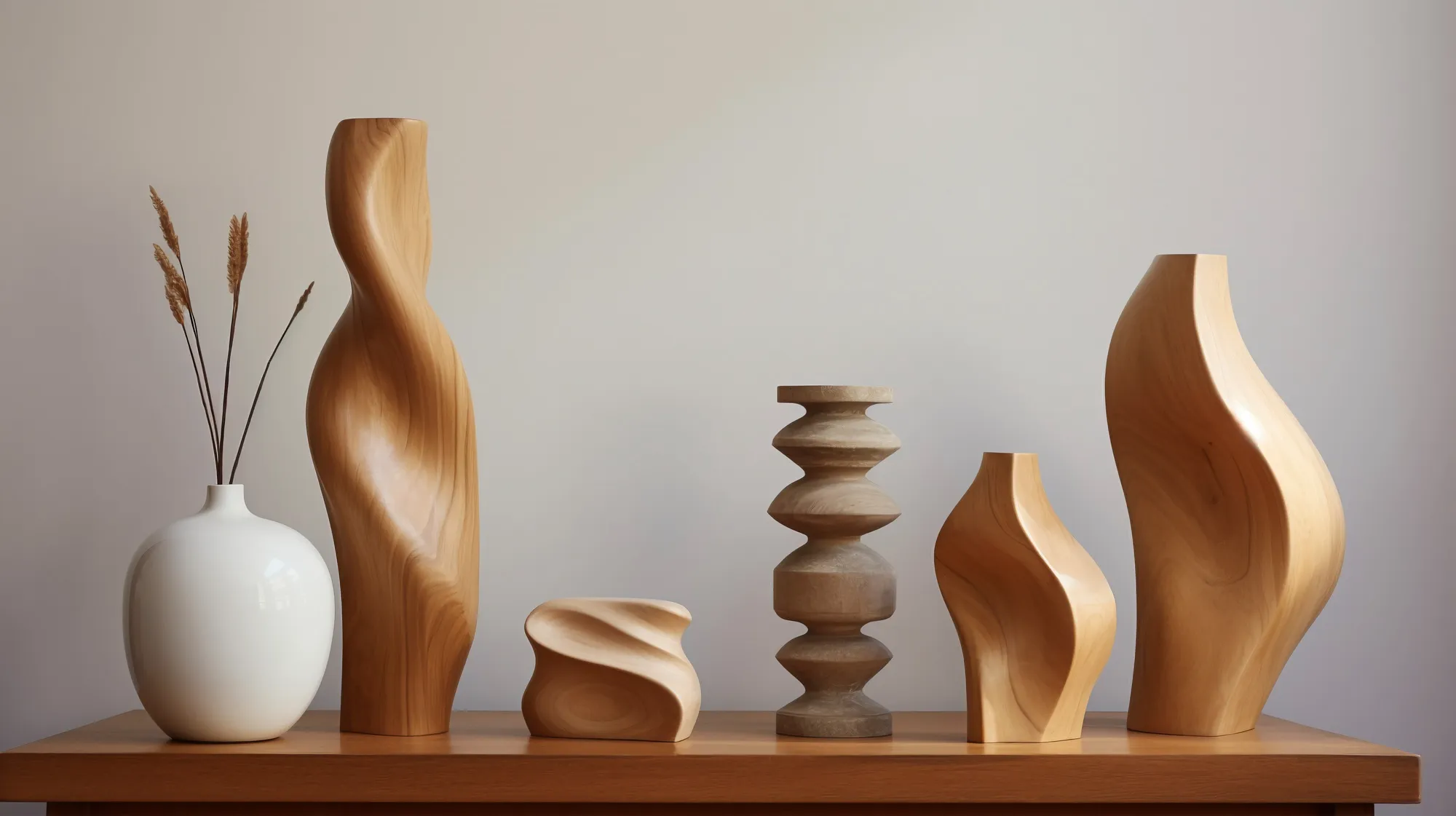
Large, open-plan offices can sometimes feel unmoored, with the eye jumping from desk to desk without a place to rest. Incorporating minimalist wood sculptures, such as large-scale, raw-edged timber monoliths or driftwood installations, serves to create “visual anchors” within the workspace.
These pieces act as a focal point that prevents the eye from wandering towards messy cables or cluttered storage areas, subconsciously helping the brain stay focused on the central work zone.
This design strategy uses art to provide a sense of order and calm, grounding the room through the sheer presence of a solid, natural object.
When selecting a sculpture, it is essential to choose a piece that reflects your brand’s core values. A towering, upright trunk of Ironwood can symbolise strength and longevity, while a sprawling, multi-branched installation might represent growth and interconnectedness.
21. Industrial Copper Task Lighting
Standard overhead fluorescent lighting is often too harsh and impersonal, contributing to headaches and a lack of focus. Providing adjustable industrial copper lamps at individual workstations introduces the psychology of the “Light Bubble.”
When an employee has personal control over their immediate illumination, their sense of ownership over their workspace increases, which directly correlates with higher levels of concentration.
Copper is the perfect “rustic” metal for this application; its warm, reddish hue provides a soft glow that humanises the desk area, making it feel less like a temporary station and more like a personal cockpit for productivity.
The aesthetic appeal of copper lies in its ability to bridge the gap between old and new. It pairs beautifully with both minimalist white desks and dark industrial steel frames, adding a “pop” of warmth that prevents the office from feeling too cold or clinical.
Using warm-toned LED bulbs further enhances this effect, creating a cosy yet professional atmosphere that reduces the strain caused by blue-light screens.
22. Use Modern Black Handles On Rustic Wood Drawers
The success of a modern rustic interior often hinges on the small, tactical details that tie two seemingly opposite styles together. One of the most effective ways to achieve this is by updating reclaimed wood cabinetry with sleek, matte black hardware.
This approach leans into the concept of “Visual Contrast,” where the clean, industrial lines of a modern handle act as a frame for the raw, irregular grain of the timber.
Without these contemporary touches, rustic furniture can risk looking “dated” or better suited for a country cottage than a Singaporean business hub. By adding sharp, black accents, you signal that the use of natural wood is a deliberate, high-end design choice.
When selecting hardware to bridge the gap between these styles, consistency is your greatest ally. We suggest opting for long, slim pull handles or minimalist square knobs in a “sand-blasted” or matte finish rather than high-gloss black.
This subtle texture prevents fingerprints and maintains a professional, low-sheen appearance. For a cohesive office environment, ensure that these black accents are mirrored elsewhere, perhaps in the frames of your glass partitions or the legs of your communal tables.
This level of detail demonstrates a meticulous brand identity, proving to clients that your organisation values both heritage and modern precision.
23. Exposed Ceiling Joists
Many corporate spaces are confined by generic drop-ceilings that hide the building’s character and significantly lower the perceived room height. Stripping these away to reveal the original timber or steel joists is a powerful way to reclaim “Vertical Space.”
Architecturally, higher ceilings are frequently associated with increased creative freedom and “big-picture thinking,” as the lack of a physical overhead barrier encourages the brain to explore more expansive ideas.
For creative agencies or tech startups in Singapore, revealing the “bones” of the building adds an industrial-rustic grit that feels transparent, honest, and impressively spacious.
Maintaining a professional finish while the ceiling is “exposed” requires careful treatment of the raw materials.
If the joists are timber, they should be cleaned and sealed to prevent dust from shedding onto workstations; if they are steel, a uniform coat of charcoal or matte white paint can tie the industrial look into the rest of the modern office palette.
It is also a prime opportunity to organise “exposed” services, such as air-conditioning ducts and electrical conduits, using neat, parallel runs. This creates a clean, intentional aesthetic that celebrates the building’s structure while providing the airy, lofty atmosphere that top-tier talent finds so inspiring.
24. Earth-Toned Color Palettes
Moving away from the jarring primary colours often associated with aggressive corporate branding can have a profound impact on employee focus. Implementing an earth-toned palette, consisting of terracotta, sage, ochre, and charcoal, provides “non-stimulating” benefits that are essential for high-pressure environments.
These hues are found in the natural world and are psychologically linked to stability and calm, helping to prevent the sensory overload that often leads to afternoon fatigue.
For a busy Singaporean office, shifting towards these grounded tones creates a sophisticated atmosphere that feels less like a clinical laboratory and more like a high-end professional retreat.
The secret to a successful corporate palette is the balance between these warm, rustic tones and “modern” neutrals.
To keep the office looking bright and expansive, we recommend using a crisp white or soft grey as your base for the majority of the wall space, while reserving earth tones for feature walls, upholstery, and acoustic panels.
A sage green accent wall in a boardroom, for instance, provides a restful backdrop for the eyes during intense meetings without making the room feel dim.
This strategic use of colour ensures the workspace remains professional and vibrant, providing a welcoming environment that sustains energy levels from the morning briefing to the final sign-off.
25. Scented Wood Accents
While most office design focuses on what we see and hear, the sense of smell is actually the fastest way to influence the brain’s emotional state. Incorporating the natural aroma of cedar, pine, or sandalwood into your workspace introduces the concept of “Olfactory Focus.”
These specific wood scents are scientifically proven to lower heart rates and reduce stress, creating a subtle sensory “trigger” that employees subconsciously associate with a productive and calm workday.
In a city like Singapore, where the outdoor air can be humid and heavy, introducing a fresh, woodsy scent inside the office provides a crisp, reinvigorating contrast that sharpens the mind.
There are several ways to introduce these scents without overwhelming the space. Using raw, unsealed cedar wood for shelving or feature panels in smaller rooms allows the wood to breathe and naturally release its oils over time.
For larger open-plan floors, high-end cold-air diffusers can distribute a consistent, faint aroma of sandalwood or pine through the HVAC system. The goal is to create a “signature scent” for your office that feels clean and organic rather than artificial.
Conclusion About The Modern Rustic Interior Design
Implementing these modern rustic interior design ideas is more than a superficial face-lift; it is a long-term investment in your organisation’s most valuable asset, its people.
By trading sterile synthetics for reclaimed timber, stone, and ergonomic textures, you create a sustainable, human-centric ecosystem that actively attracts and retains top-tier talent in Singapore’s competitive landscape.
The ROI of this approach manifests in sharpened focus, reduced absenteeism, and a workspace that breathes with the energy of your brand rather than the coldness of a cubicle.
If you are looking to pivot your office culture, you needn’t overhaul the entire floor overnight. Start with one or two strategic “rustic” switches, perhaps a moss feature wall or timber-slatted partitions, to witness the immediate uplift in team morale and workflow efficiency.
For those ready to redefine their professional environment, Yangs Designs Associates is your ideal partner. Established in 2017 in Singapore, we bridge the gap between visionary interior design and the practical precision of experienced contractors.
Whether you require Design & Build services, Pre-lease consultations, or a complete workspace reinstatement, our team specialises in creating tailored, functional solutions that enhance productivity within Singapore’s dynamic business hub.
We pride ourselves on an individualised approach, ensuring every project reflects your unique brand identity while remaining on time and within budget.
Ready to transform your corporate workspace into a high-performance sanctuary? Contact Yangs Designs Associates today for a free consultation and non-obligatory quotation.
Frequently Asked Questions About The Modern Rustic Interior Design
What Is Rustic Interior Design?
Rustic interior design is an aesthetic focused on the rugged, natural beauty of organic materials. It emphasises textures like weathered wood, natural stone, and hand-woven fibres over mass-produced, synthetic finishes.
Can “Modern Rustic” Be Applied To A Retail Or Client-Facing Space?
Yes, it is highly effective for retail. It creates a “sensory experience” that digital shopping cannot replicate. Using tactile materials encourages customers to linger longer in the space, fostering a deeper emotional connection with the brand through a sense of authenticity and craftsmanship.
Does Adding Rustic Wood Features Pose A Fire Safety Risk In Commercial Buildings?
When working with professional firms like Yangs Designs Associates, all timber elements are treated with fire-retardant coatings that meet strict Singapore Civil Defence Force (SCDF) regulations. Modern rustic design is entirely compatible with commercial safety codes, ensuring your space is as safe as it is stylish.
Can I Integrate Modern Rustic Elements Into A Small CBD Office?
Absolutely. You don’t need a sprawling warehouse to achieve this look. In smaller Singaporean offices, focus on “vertical rusticism”, using timber wall slats or floating wooden shelves. This introduces the aesthetic without consuming valuable floor real estate, maintaining a sleek, modern footprint.
Is A Modern Rustic Office More Expensive To Maintain Than A Traditional One?
On the contrary, many rustic materials are chosen for their durability and “graceful ageing.” Reclaimed wood and stone flooring hide scuffs and wear much better than high-gloss laminates or cheap carpets.
When paired with modern, easy-to-clean finishes, the long-term maintenance costs are often lower, providing a better lifecycle ROI.

