
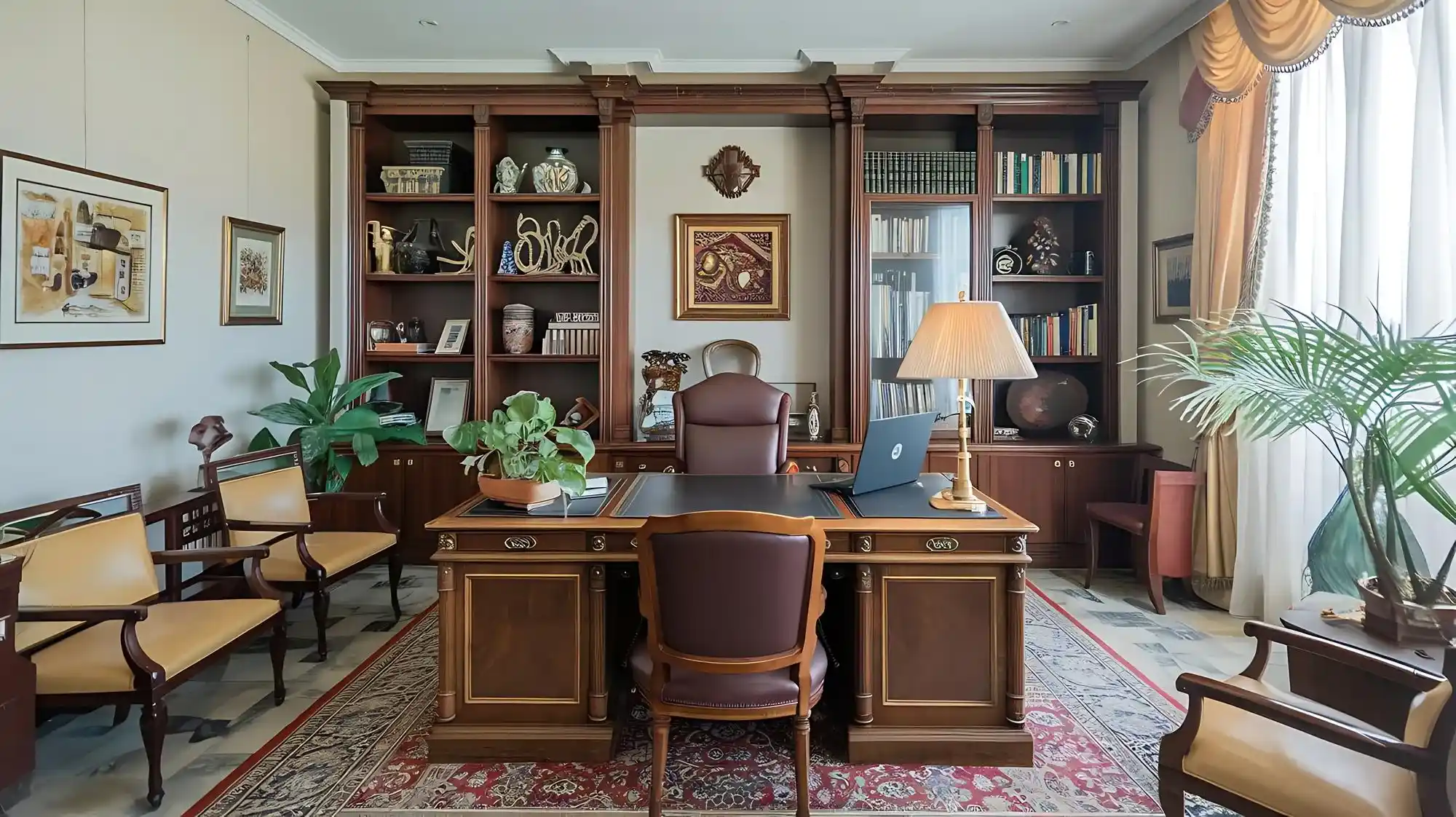
Modern offices are expected to do more than simply look good, they need to support focus, efficiency, and long-term performance. This is where modern colonial interior design ideas offer a compelling solution for corporate environments.
By blending refined heritage elements with contemporary planning and technology, this style creates offices that feel structured, calm, and professional without appearing dated. Think balanced layouts, restrained detailing, and materials that age well in high-use commercial spaces.
For corporate administrators seeking proven design approaches that enhance workflow while reinforcing credibility and brand presence, modern colonial interiors deliver a timeless framework that works just as hard as the people inside it.
1. Symmetrical Layouts
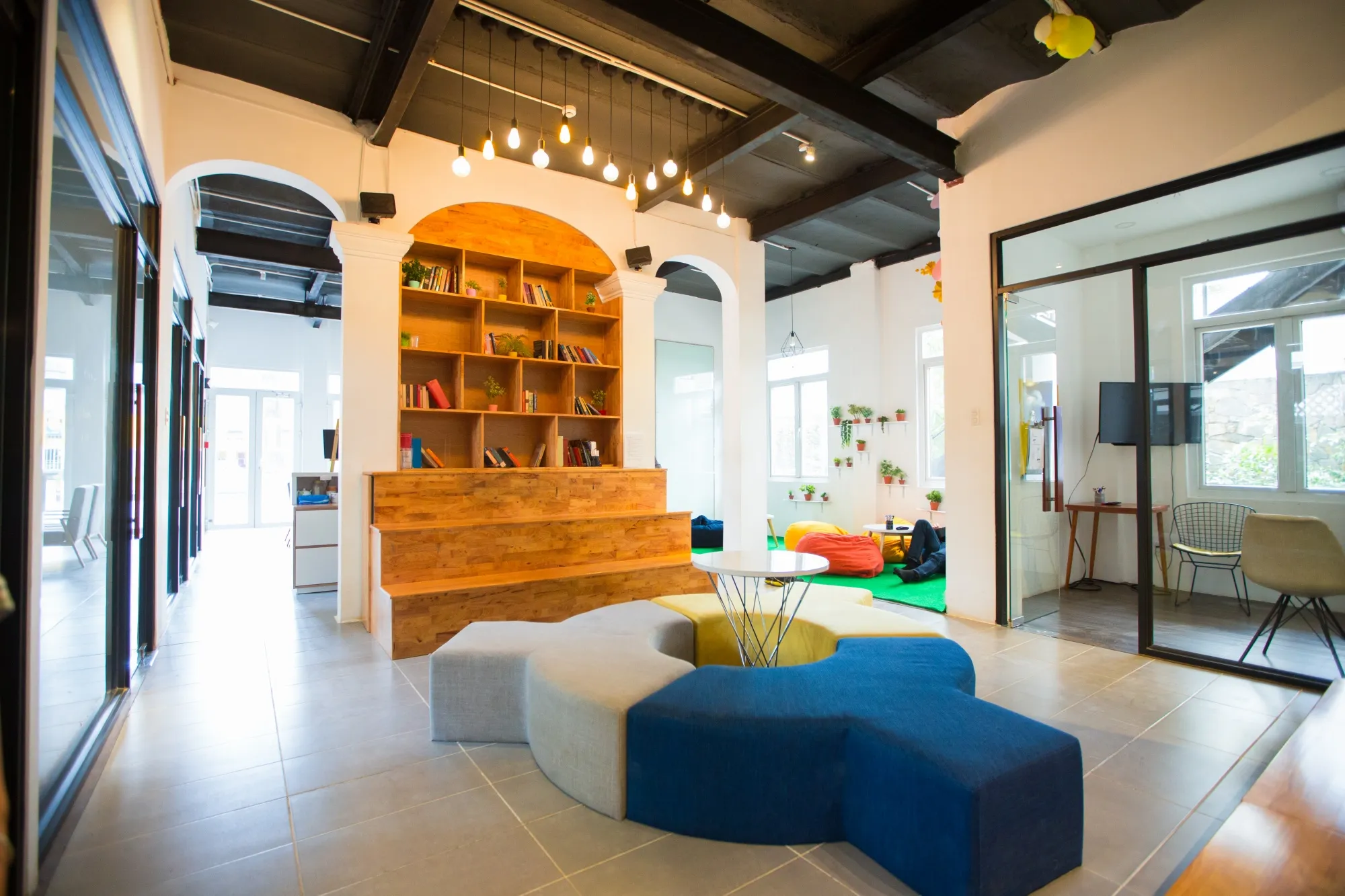
Symmetry plays a powerful role in shaping how a corporate office feels and functions. In modern colonial interior design, balanced floor planning and aligned furniture placement create a clear sense of order that is easy for employees and visitors to understand at a glance.
Workstations positioned evenly, paired seating arrangements in meeting rooms, and centred focal points such as feature walls or executive desks help reduce visual clutter and unnecessary movement across the space.
From a workflow perspective, symmetry supports structure. When departments, circulation paths, and shared facilities follow a consistent rhythm, staff spend less time navigating the office and more time focused on their tasks.
Architectural detailing such as evenly spaced columns, wall panels, or lighting fixtures further reinforces this sense of calm.
For corporate administrators, symmetrical layouts offer a practical way to improve efficiency while projecting professionalism, stability, and control, qualities that are especially valued in client-facing commercial offices.
2. Use White-Painted Wainscoting Or Wood Paneling
White-painted wainscoting and wood paneling are defining features of modern colonial office interiors, offering both aesthetic and functional benefits.
Visually, they introduce classic character without dominating the space, providing subtle structure that keeps walls from feeling flat or overly plain. The light colour reflects natural and artificial light effectively, helping offices appear brighter and more spacious.
From a practical standpoint, wall paneling protects high-traffic areas from scuffs and wear, which is particularly useful in corridors, meeting rooms, and shared work zones. It also contributes to better acoustics by breaking up sound reflections, reducing background noise in open-plan offices.
For business owners, this means a more durable interior that maintains a polished appearance over time. When applied consistently, wainscoting helps visually organise large office floors, reinforcing order while keeping the overall environment calm and distraction-free.
3. Use Arched Entries To Separate Departments
Arched entries offer an elegant way to define departments within a corporate office without resorting to solid walls or heavy partitions.
Inspired by colonial architecture, arches create gentle transitions between zones, signalling a change in function while maintaining visual continuity. This is particularly effective in modern offices that value openness but still require clear spatial hierarchy.
In practical terms, arches improve circulation by guiding movement naturally through the workplace. Staff and visitors can intuitively understand where one department ends and another begins, reducing confusion and unnecessary interruptions.
Unlike sharp-edged doorways, curved forms soften the overall environment, making the office feel more welcoming and less rigid.
For commercial spaces in Singapore’s competitive business landscape, arched entries strike a balance between openness and structure, supporting efficient workflows while elevating the office’s overall design language.
4. Use Reclaimed Mahogany Or Walnut Beams
Reclaimed mahogany or walnut beams introduce a sense of history and permanence that modern offices often lack. In large corporate interiors, these beams help visually anchor the space, preventing it from feeling cold or overly expansive.
Their natural grain and rich tones add warmth without relying on decorative excess, aligning well with modern colonial interior design principles that favour restraint and longevity.
From a commercial perspective, reclaimed beams also communicate values that resonate with today’s business leaders, such as sustainability and craftsmanship.
When used selectively, across ceilings, reception areas, or transition zones, they create subtle focal points that enhance spatial definition. This grounding effect makes offices feel more considered and human-centred, supporting employee comfort while reinforcing a professional, established brand image.
5. Polished Hardwood Floors With Wide Planks
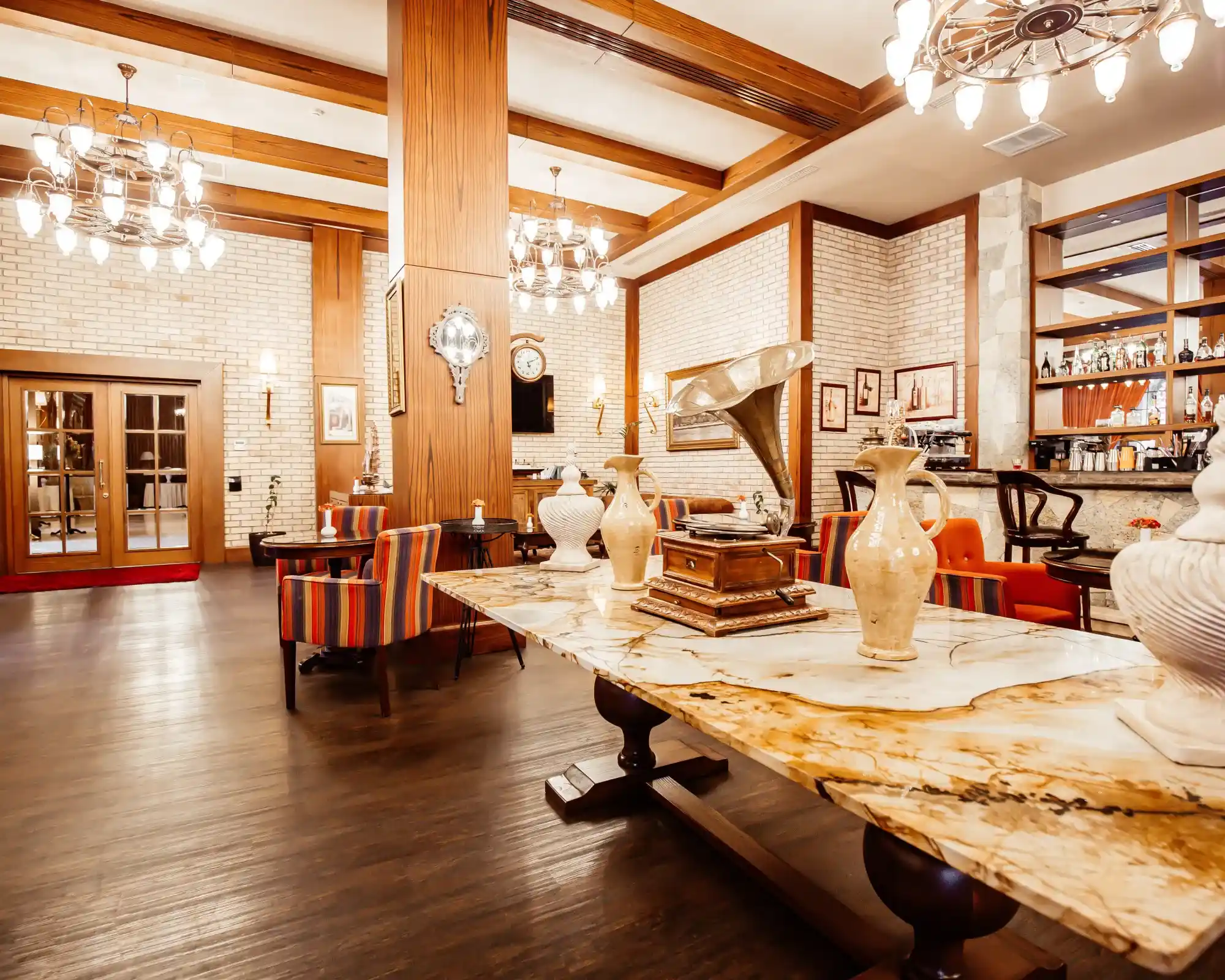
Polished hardwood floors laid in wide planks are a practical and visual asset in corporate offices. The broader boards create a continuous surface with fewer seams, reducing pattern noise and visual fragmentation across large floor plates.
This sense of continuity helps the office feel calmer and more cohesive, which directly supports focus and efficient movement throughout the workspace.
Durability is another key advantage. High-quality hardwood stands up well to heavy foot traffic, making it suitable for reception areas, corridors, and shared work zones. The polished finish also simplifies maintenance, an important consideration for commercial environments.
For business owners in Singapore, wide-plank hardwood floors strike a balance between refined aesthetics and long-term practicality, reinforcing a professional image while supporting everyday operations.
6. Use Muted Neutrals For The Walls
Muted neutral wall colours form the backbone of a productive modern colonial office. Shades such as off-white, stone, and warm greige create a calm visual environment that reduces eye strain, especially in spaces where employees spend long hours working at screens. These tones reflect light evenly, helping offices feel brighter without the harshness of stark white walls.
As a backdrop, neutral walls allow furniture, architectural details, and branding elements to stand out in a controlled manner. This prevents visual overload while maintaining a polished, corporate look.
For commercial offices, muted neutrals also offer flexibility, making future layout changes or brand updates easier to implement. The result is a timeless, adaptable workspace that supports concentration, professionalism, and long-term usability.
7. Incorporate Navy Blue, Forest Green, Or Charcoal For Accent Walls
Deeper, colonial-inspired tones like navy blue, forest green, and charcoal are highly effective for creating focus and depth in corporate offices.
When applied sparingly to accent walls, these colours define specific zones, such as meeting rooms, executive suites, or collaborative areas, without overwhelming the space. They provide visual anchors that help staff navigate the office intuitively, while also adding richness and sophistication to the overall design.
Beyond aesthetics, these tones can reinforce a company’s brand identity by reflecting corporate colours in a subtle, professional way.
Unlike bright or overly saturated shades, muted dark accents reduce visual fatigue and distractions, supporting concentration during long working hours. For business owners, these colours offer a strategic way to combine elegance, functionality, and brand messaging in one cohesive office environment.
8. Matte Brass Or Pewter Handles And Light Fixtures
Matte brass and pewter finishes are ideal for office hardware and lighting in modern colonial interiors. These subdued metallics add a touch of refinement and tactile appeal without introducing harsh glare or high-contrast reflections that can distract employees.
Handles, cabinet pulls, and light fixtures in these finishes complement both warm wood tones and neutral walls, creating a cohesive and polished look throughout the office.
In practical terms, matte metals are durable and resist fingerprints, making them suitable for high-traffic areas such as shared storage, meeting rooms, and reception spaces.
They also contribute to a sense of subtle luxury that enhances professional credibility, demonstrating attention to detail in every element of the workplace design. For corporate administrators, this is a cost-effective way to elevate the overall office environment without compromising functionality.
9. Use Wide-Louvered Shutters
Wide-louvered shutters bring both charm and practicality to modern colonial office interiors. These shutters allow precise control over natural light, reducing glare on screens and creating a comfortable working environment across open-plan and private offices alike.
Their adjustable slats make it easy to balance daylight and privacy, while still maintaining a visual connection to exterior views.
From a design perspective, wide-louvered shutters introduce a signature colonial element that is timeless yet adaptable to contemporary commercial interiors.
They add texture and depth to windows and partitions, helping define zones subtly without the heaviness of full walls or curtains. For business owners in Singapore, incorporating shutters enhances employee comfort, supports productivity, and elevates the aesthetic sophistication of corporate spaces.
10. Large Potted Monsteras Or Palms In Woven Baskets

Incorporating large potted plants like monsteras or palms brings a touch of nature into corporate offices while reinforcing modern colonial aesthetics.
Placed thoughtfully in reception areas, breakout zones, or along corridors, these plants improve air quality and create a calming atmosphere that helps reduce stress for employees. The structured greenery softens rigid lines in office layouts without adding clutter, maintaining a clean and organised workspace.
Using woven baskets as planters further enhances the colonial-inspired look, adding texture and warmth to the environment. For business owners, this approach not only elevates the office’s visual appeal but also promotes employee well-being, making the workspace more inviting and conducive to sustained focus.
11. Campaign-Style Desks With Cable Management
Campaign-style desks, rooted in colonial design, are both elegant and practical for modern corporate offices. Their clean lines and solid wood finishes convey professionalism and authority, while subtle modern upgrades, like concealed cable channels, integrated drawers, and hidden compartments, keep workspaces organised and clutter-free.
In high-tech offices, managing power and data cables is essential for both safety and aesthetics. These desks allow technology to blend seamlessly with classic forms, supporting computer use, video conferencing, and other office tools without disrupting the overall design.
For administrators, campaign-style desks offer a harmonious balance of style and functionality, elevating both employee experience and brand perception.
12. Add Ergonomic Lumbar Support And Wheels
Even in offices inspired by traditional colonial design, seating can be adapted for modern ergonomics without compromising style. Chairs with lumbar support, adjustable height, and smooth-rolling wheels ensure employees remain comfortable during long hours at their desks.
The key is selecting designs that echo colonial forms, such as wooden frames, subtle leather upholstery, or classic tufting, while integrating contemporary ergonomic features. This combination preserves the office’s refined aesthetic while promoting health and productivity.
For corporate owners, investing in ergonomically sound, visually cohesive seating demonstrates a commitment to staff well-being, reduces fatigue, and supports sustained workflow in high-performance commercial spaces.
13. Library With Floor-To-Ceiling Bookshelves
A dedicated office library with floor-to-ceiling bookshelves serves as more than a storage solution; it creates a focused zone for research, strategic planning, or quiet work.
In modern colonial interiors, these tall shelves add vertical interest and reinforce the intellectual, refined character associated with heritage design. They provide a sense of gravitas in executive areas or boardrooms while maintaining a polished and organised appearance.
From a functional perspective, libraries help reduce distractions by offering a retreat from bustling open-plan areas. Carefully arranged shelving, with a mix of books, decorative objects, and company archives, ensures the space remains visually stimulating yet uncluttered.
For corporate administrators, a well-designed library demonstrates a commitment to knowledge, professional culture, and thoughtful workspace planning.
14. Use Tufted Leather Chesterfields In Breakout Areas
Tufted leather Chesterfields are a hallmark of colonial sophistication that works exceptionally well in office breakout areas.
These classic sofas and armchairs provide comfortable, supportive seating for informal meetings, brainstorming sessions, or relaxation breaks. Their deep upholstery and rich leather tones convey an executive feel, elevating casual spaces without making them overly formal.
By strategically placing Chesterfields in quiet lounges, near coffee points, or within collaboration nooks, offices create zones where staff can recharge while maintaining a polished corporate aesthetic.
For business owners, these timeless pieces strike a balance between style and practicality, encouraging meaningful conversations and fostering team cohesion in an environment that still aligns with professional standards.
15. Use Large White Marble Tables With Dark Wood Legs
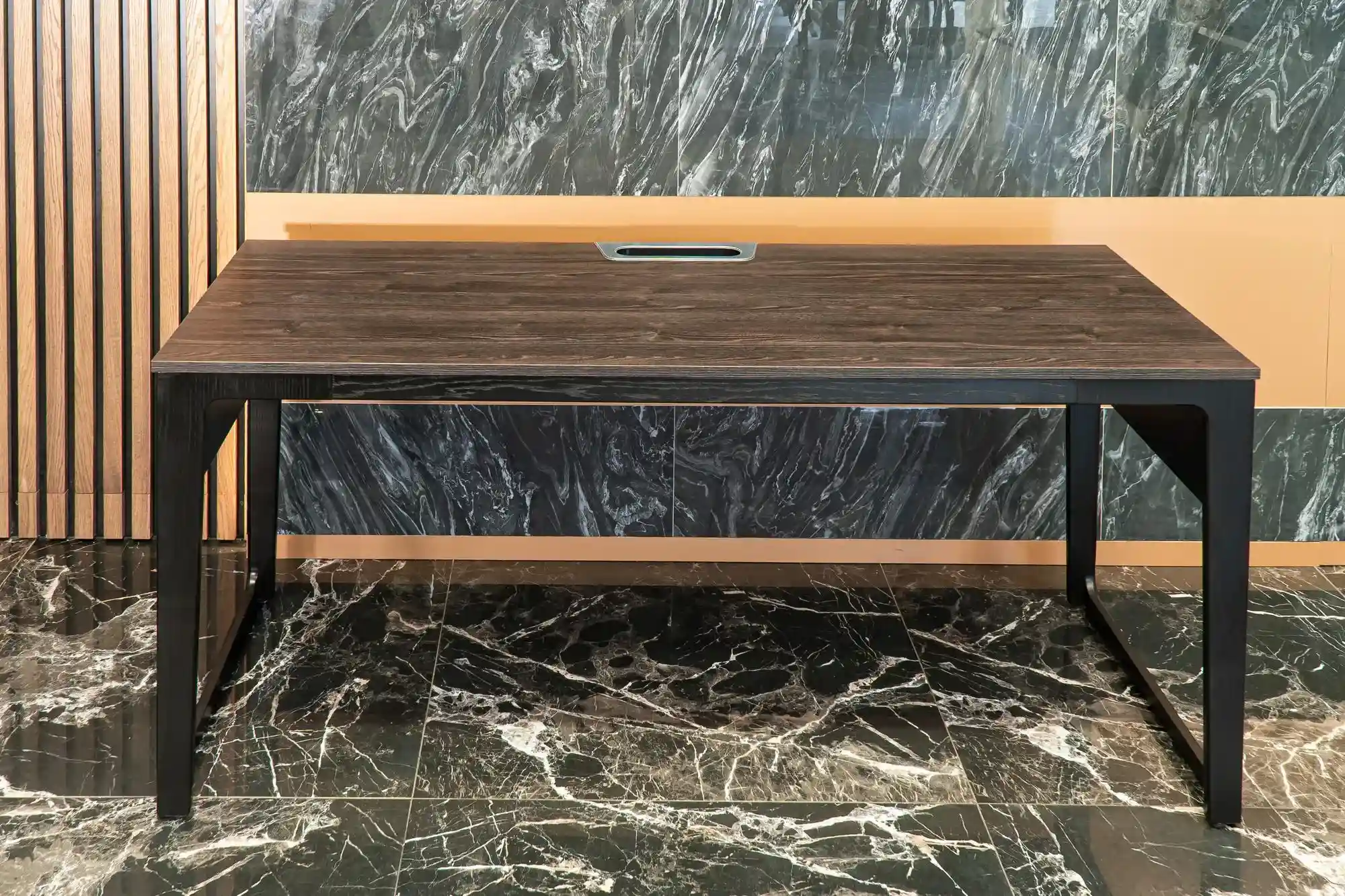
In meeting rooms or boardrooms, large white marble tables paired with dark wood legs create a striking yet functional statement. The contrast between the bright, reflective marble and the warm, solid wood provides visual weight and defines hierarchy within the space without appearing overly decorative or distracting.
Functionally, these tables accommodate multiple users, support collaborative sessions, and stand up well to daily use in high-traffic corporate areas. The marble surface reflects light subtly, enhancing brightness, while the wooden base grounds the design in the modern colonial tradition.
For corporate administrators, investing in these tables signals professionalism, attention to detail, and a commitment to creating meeting spaces that are both elegant and highly practical.
16. Incorporate Cane Or Rattan Textures Into Wall Partitions
Cane and rattan textures are an excellent way to introduce natural warmth and subtle visual interest into modern colonial office interiors.
When used in wall partitions, these materials create gentle separations between work zones, collaborative areas, or lounge spaces, helping staff maintain focus without feeling isolated. The open weave of cane and rattan allows airflow and light to pass through, preserving the office’s sense of openness and brightness.
Additionally, these natural textures provide mild acoustic softening, reducing echo in larger spaces without the need for heavy soundproofing.
For business owners, incorporating cane or rattan partitions balances functionality with aesthetic appeal, reinforcing a refined, heritage-inspired environment that supports productivity and comfort.
17. Use Large, Built-In Wardrobes (Inspired By The Anglo-Indian Almaira)
Built-in wardrobes, drawing inspiration from the Anglo-Indian almaira, offer a practical yet elegant solution for office storage.
These large units keep files, office supplies, and personal items organised, reducing clutter on desks and common areas. By concealing everyday items behind polished doors, they help maintain a clean, distraction-free environment that allows staff to focus on their work.
Beyond functionality, built-in wardrobes contribute to the cohesive visual language of a modern colonial office.
Their solid, crafted appearance reinforces a sense of permanence and structure while complementing wooden beams, paneling, and other heritage-inspired features. For corporate administrators, this approach ensures both operational efficiency and an elevated, professional aesthetic.
18. Use High-Quality, Muted Oriental Rugs
High-quality, muted Oriental rugs serve multiple purposes in corporate offices, particularly in modern colonial designs. They visually define work zones, meeting areas, or reception spaces without breaking the office’s cohesive aesthetic.
The soft textures help absorb sound, reducing background noise in open-plan or high-traffic areas, which enhances concentration and overall comfort.
Muted tones ensure the rugs add cultural depth and character without competing with furniture, walls, or branding elements. Strategically placed rugs also provide a tactile contrast underfoot, making spaces feel warmer and more inviting.
For business owners, incorporating these rugs strengthens both functionality and style, supporting a professional environment that is sophisticated, calm, and productive.
19. Use Classic Glass Lanterns For Ambient Lighting
Classic glass lanterns are a signature element in modern colonial offices, offering soft, even illumination that enhances comfort and focus.
Unlike harsh overhead lighting, lantern-style fixtures diffuse light gently, reducing glare on screens and preventing eye strain during long working hours. Their transparent or lightly frosted glass allows a warm, inviting glow to fill the space, contributing to a calm, professional atmosphere.
Beyond functionality, lanterns bring architectural character to ceilings and reception areas, reinforcing the heritage-inspired aesthetic without overwhelming the design.
For business owners, integrating these fixtures balances style with practicality, creating lighting that supports productivity and complements the office’s overall design narrative.
20. Use Framed Vintage-Style Maps Or Architectural Sketches
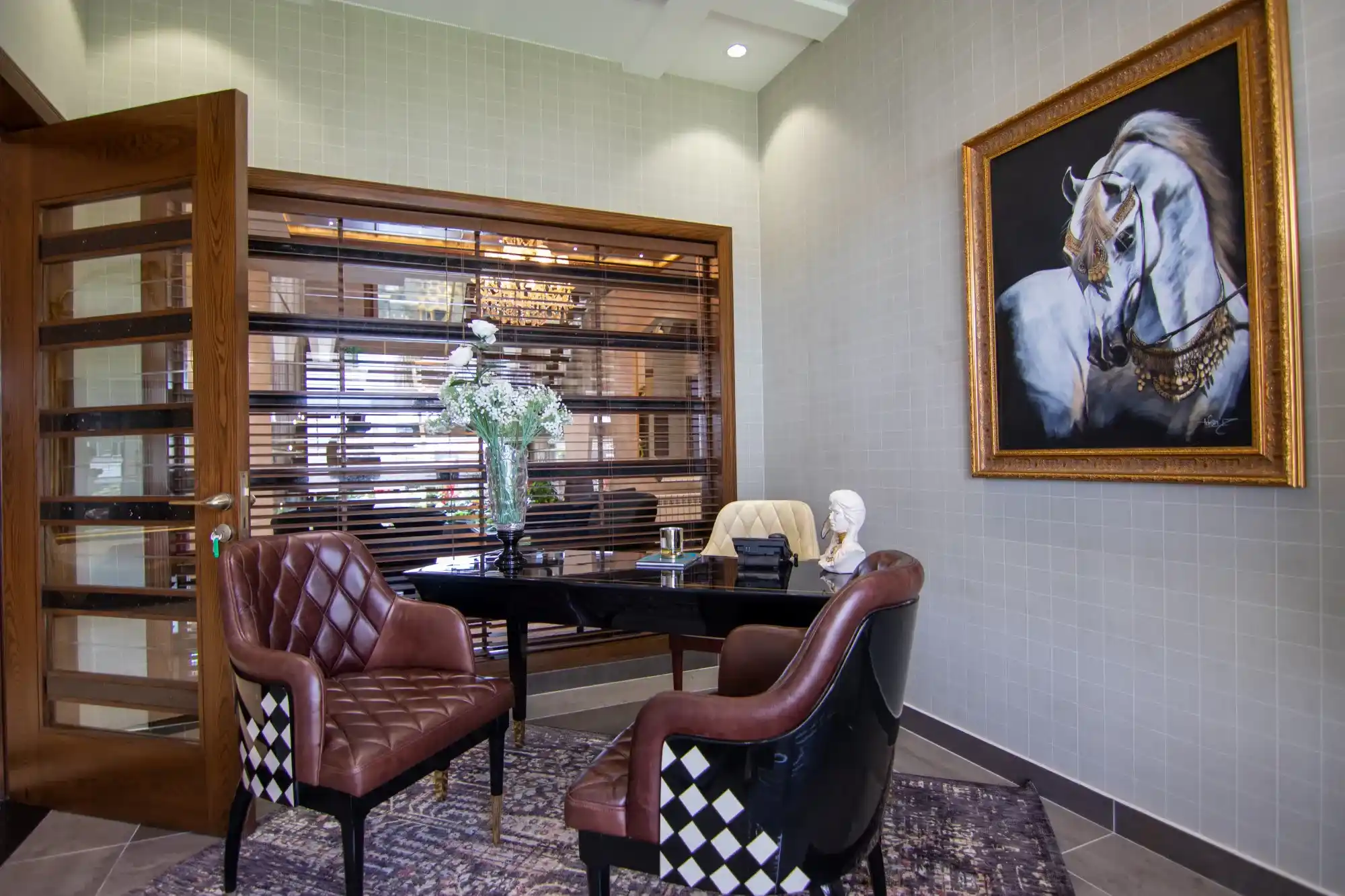
Curated wall art, such as framed vintage-style maps or architectural sketches, adds depth and personality to corporate offices while remaining subtle and professional. These pieces introduce narrative and visual interest, providing focal points that guide the eye without causing distraction.
Placed strategically in corridors, meeting rooms, or executive suites, these artworks reinforce the intellectual tone associated with modern colonial interiors. The muted colours and classic frames blend seamlessly with panelled walls, wood accents, and heritage-inspired detailing.
For administrators, this approach elevates office character, demonstrates thoughtful design, and subtly reflects a company’s appreciation for history and culture, all while maintaining a calm, productive environment.
21. Smart “Gas-Lamp” Sconces
Gas-lamp-inspired wall sconces offer a refined colonial aesthetic while incorporating modern technology for practical lighting control.
When integrated with smart lighting systems, these sconces allow brightness adjustments throughout the day, creating the optimal ambience for meetings, focused work, or informal collaboration.
Their traditional form, tubular glass, metal detailing, or candle-style bulbs, adds architectural interest to corridors, breakout spaces, and private offices.
At the same time, smart functionality ensures energy efficiency and personalised lighting levels for staff. For corporate business owners, smart gas-lamp sconces provide a unique way to combine heritage charm with contemporary workplace requirements, supporting both productivity and style.
22. Create Small, Private Calling Pods Using Dark Wood And Glass
Small, enclosed calling pods are a practical solution for modern corporate offices, providing employees with private spaces for calls, virtual meetings, or focused tasks.
Constructed using dark wood frames combined with clear or frosted glass panels, these pods maintain visual cohesion with modern colonial interiors while subtly defining boundaries within open-plan areas.
Acoustically, the pods reduce noise transmission, allowing staff to conduct discussions without disturbing colleagues. The glass elements preserve natural light and a sense of openness, preventing the office from feeling boxed in.
For business owners, incorporating these pods demonstrates a commitment to employee productivity and privacy, creating functional spaces that harmonise with the office’s heritage-inspired design language.
23. Use Desks That Appear To Be Heavy, Traditional Wood Furniture
Desks designed to appear substantial and traditional in wood instantly convey authority, stability, and permanence, qualities that align with the professional image of corporate offices.
Modern iterations retain these visual cues while integrating ergonomic design, cable management, and storage solutions to meet contemporary workplace requirements.
These desks serve as focal points in executive offices or meeting spaces, establishing hierarchy and sophistication without compromising practicality.
For corporate administrators, investing in visually commanding yet functionally engineered furniture enhances professionalism, encourages respect for workspace organisation, and supports employee efficiency, all while remaining consistent with the modern colonial interior aesthetic.
24. Indoor/Outdoor Transition Area With Rocking Chairs And Natural Fiber Rugs
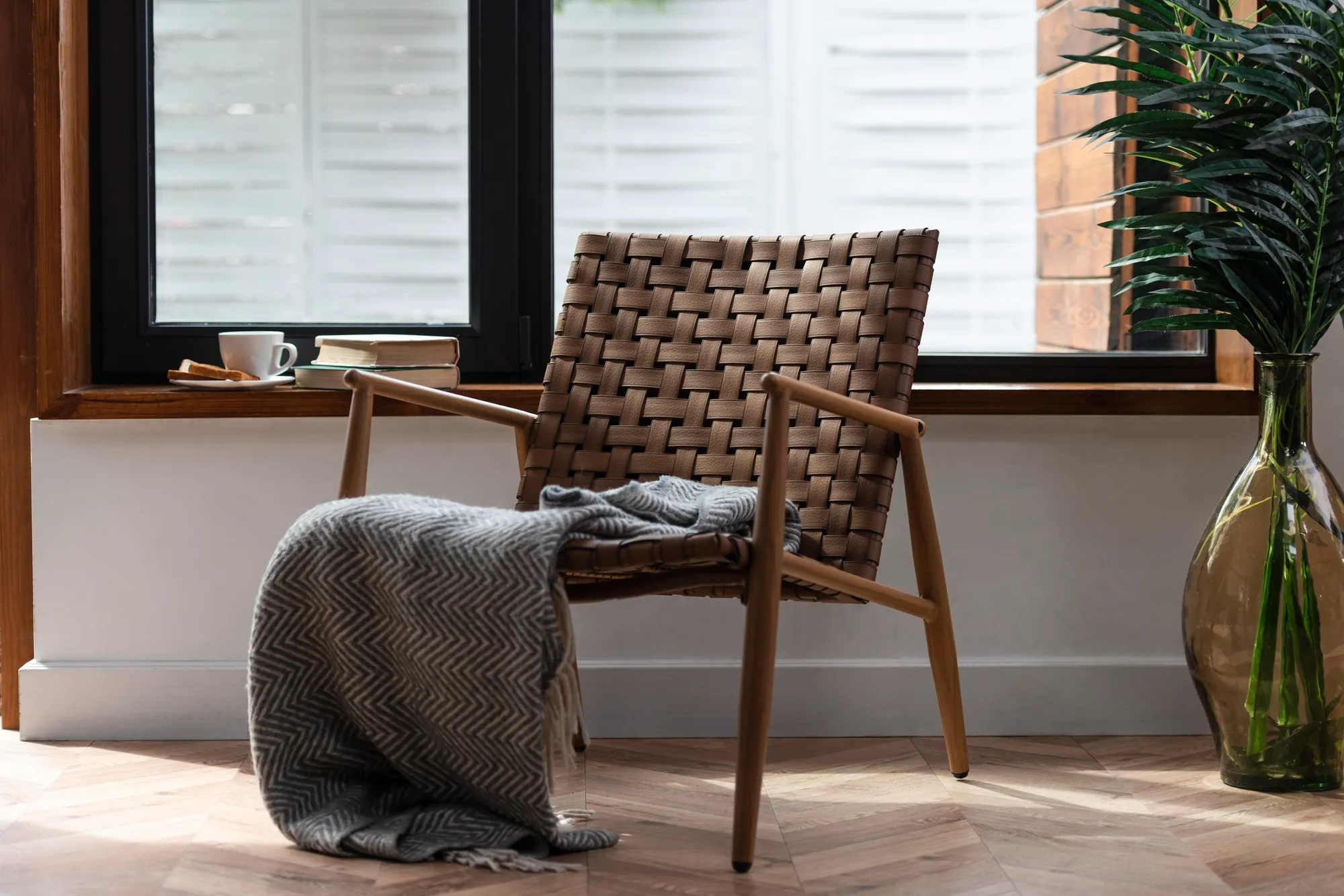
An indoor/outdoor transition area offers employees a refreshing change of pace without leaving the office, supporting mental breaks and informal collaboration.
Incorporating rocking chairs and natural fibre rugs creates a comfortable, relaxed setting that encourages conversation, brainstorming, or simply unwinding between tasks.
The natural textures of the rugs complement wooden or colonial-inspired detailing, maintaining visual cohesion while softening the hard lines of corporate interiors.
Strategically positioned near terraces, atriums, or semi-outdoor spaces, these zones promote well-being by connecting staff with natural light and airflow.
For business owners, designing such areas enhances workplace satisfaction, fosters creativity, and subtly signals that employee welfare is a priority, all while adhering to the elegant, structured principles of modern colonial office design.
25. Scent Branding (Citrus & Pine)
Scent branding adds an often-overlooked layer to office design, influencing mood, focus, and brand perception without visual clutter. Subtle aromas like citrus and pine evoke freshness, energy, and calm, helping employees maintain concentration and reducing stress in high-paced corporate environments.
Incorporated through discreet diffusers or HVAC systems, scent branding can reinforce a company’s identity and create a memorable experience for visitors. For business owners, this approach combines sensory sophistication with practical benefits, enhancing the office environment while strengthening brand presence.
Properly implemented, it complements modern colonial interiors, reinforcing the calm, structured, and professional atmosphere essential to productive corporate spaces.
Conclusion About The Colonial Style Interior Design
Modern workplaces perform best when design decisions are intentional rather than trend-led. Modern colonial interior design ideas offer a proven approach for corporate offices that need structure, calm, and longevity.
By combining heritage-inspired details with contemporary planning, this style reduces visual distractions, supports focused work, and creates environments that remain relevant as business needs evolve.
The result is not just a refined office, but a functional workspace that reinforces credibility, productivity, and brand consistency over time.
If you are considering applying modern colonial principles to your office, Yangs Design Associates is well placed to guide the process. Established in 2017 in Singapore, Yangs Design Associates brings together experienced interior designers and seasoned contractors to deliver tailored commercial solutions.
From pre-lease planning and design consultancy to full design-and-build and reinstatement services, their team understands how to translate design intent into practical, high-performing workspaces.
With a collaborative, client-focused approach and deep knowledge of Singapore’s commercial landscape, Yangs Design Associates is a trusted partner for businesses looking to create offices that work as well as they look.
Contact Yangs Design Associates today to begin shaping a workspace designed for long-term success.
Frequently Asked Questions About The Colonial Style Interior Design
Can Modern Colonial Interior Design Ideas Work In Open-Plan Offices?
Yes, modern colonial interior design ideas adapt well to open-plan offices by using symmetry, subtle zoning, and refined materials to maintain order without heavy partitions.
Are Modern Colonial Interior Design Ideas Suitable For Small Corporate Offices?
Modern colonial interior design ideas can be scaled for smaller offices through simplified detailing, lighter colour palettes, and space-efficient furniture selections.
How Do Modern Colonial Interior Design Ideas Differ From Traditional Colonial Design?
Modern colonial interior design ideas streamline traditional elements, removing excessive ornamentation while retaining structure and elegance suitable for contemporary offices.
Are Modern Colonial Interior Design Ideas Suitable For Long-Term Office Use?
Modern colonial interiors are designed to age well, making them a practical choice for businesses seeking timeless design that avoids frequent refurbishment.
Can Modern Colonial Interior Design Ideas Support Corporate Branding?
Yes, this style reinforces brand values such as stability, trust, and professionalism through consistent materials, colours, and architectural language.

