
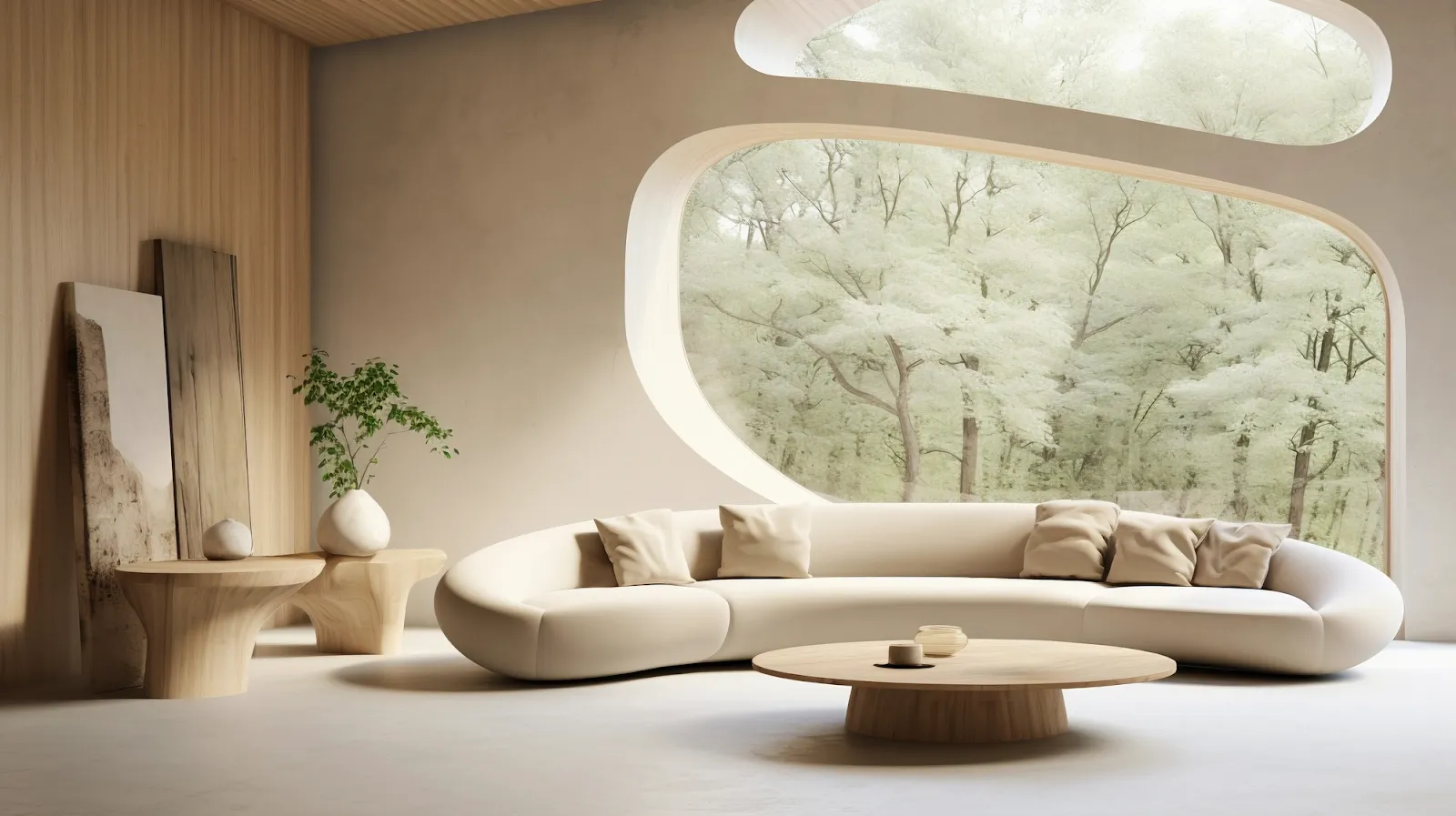
Wabi-sabi interior design is gaining momentum in modern offices as businesses move away from cold, corporate spaces toward environments that feel more human, calming, and authentic.
Rooted in simplicity and natural beauty, this design approach helps create workspaces that support employee well-being, reduce stress, and encourage better focus throughout the day.
As companies look for ways to improve productivity and create more engaging workplaces, wabi-sabi offers a refreshing alternative that balances function, comfort, and character in commercial environments.
What Is Wabi-Sabi Interior Design?
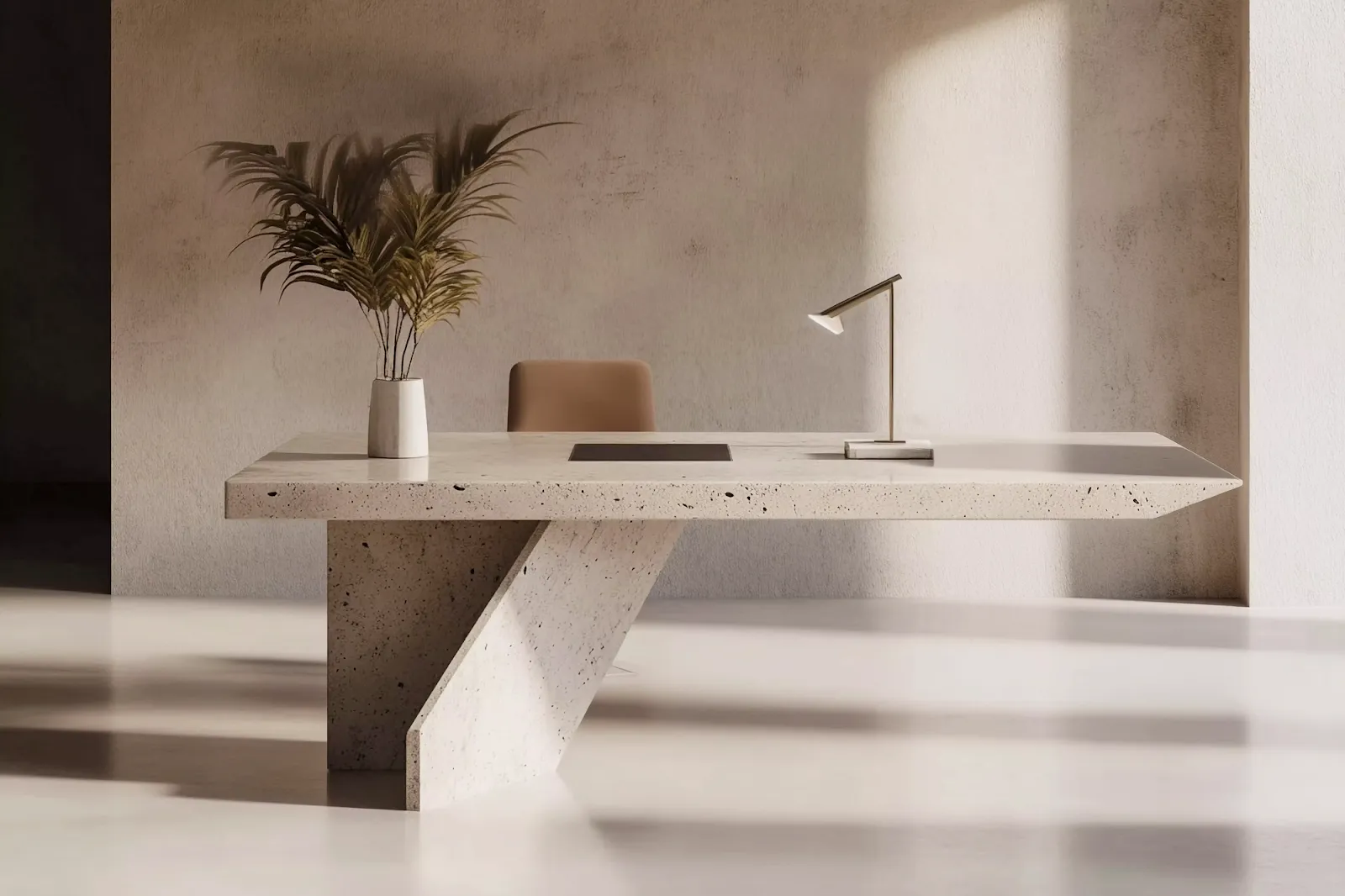
Wabi-sabi interior design is a Japanese design philosophy that embraces the beauty found in simplicity, imperfection, and the natural passage of time. Instead of chasing flawless finishes or perfectly symmetrical layouts, it values authenticity, raw textures, and materials that age gracefully.
This approach stands apart from typical minimalist design, which often leans toward sleek surfaces and uniformity. Wabi-sabi brings warmth, character, and an organic quality that feels far more grounded.
For modern workplaces, this philosophy aligns effortlessly with the need for calming, functional, and human-centred environments.
In busy commercial settings, wabi-sabi provides a refreshing shift, moving away from sterile, corporate interiors to spaces that feel intentional and genuinely inviting. It encourages the use of natural materials, meaningful décor, and design choices that support focus, comfort, and well-being.
For business owners looking to improve office performance, the practical translation is clear: thoughtful layouts, textural contrasts, warm lighting, and durable materials come together to create workspaces that feel both productive and emotionally supportive.
6 Core Elements Of Wabi-Sabi Interior Design
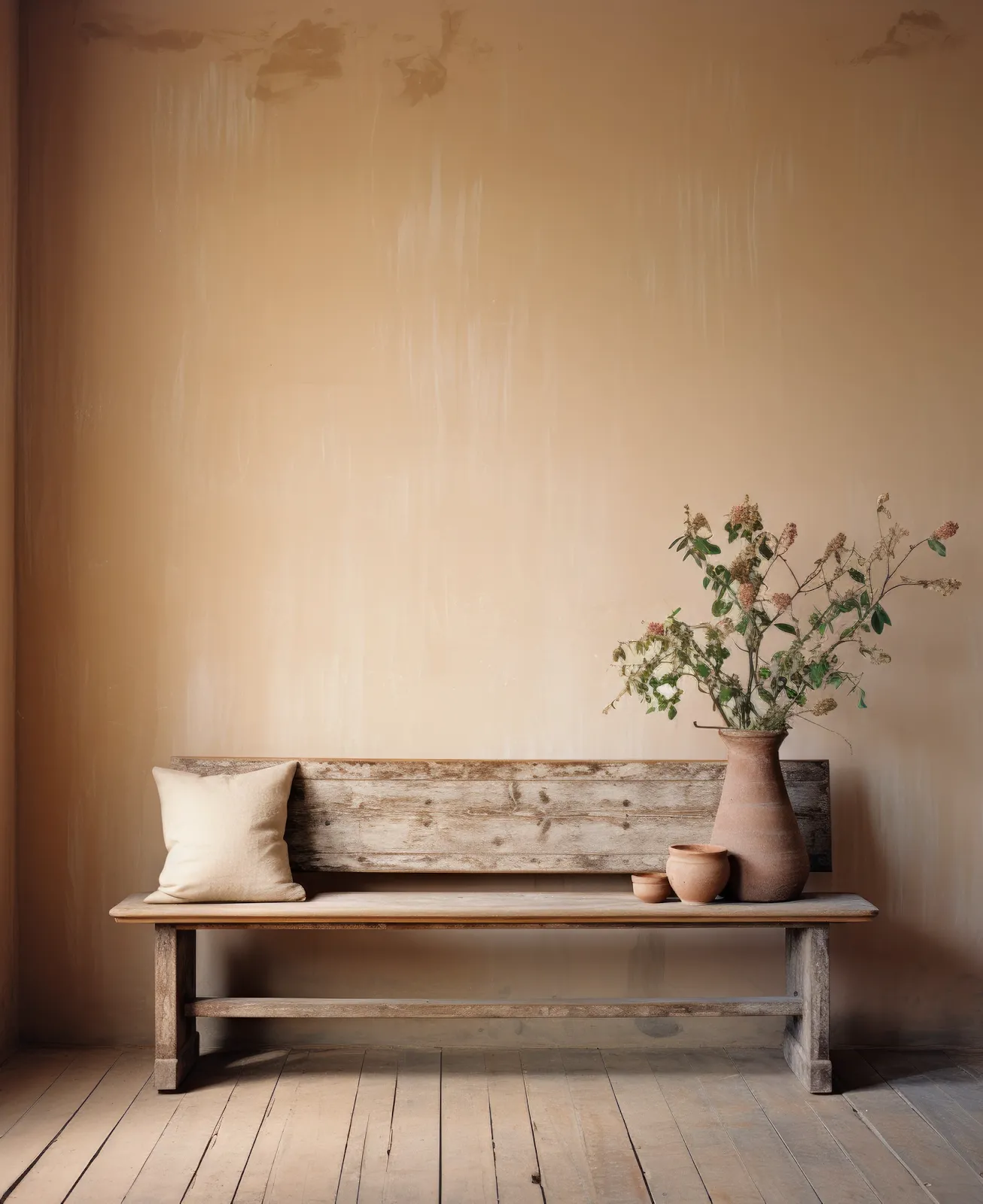
The essence of wabi-sabi interior design lies in a series of timeless principles that shape how a space looks, feels, and functions. These elements go beyond aesthetics, they influence the mood of an office, the behaviour of employees, and the overall experience within a commercial environment.
Below, we explore the key components of wabi-sabi and how each one contributes to a more thoughtful and productive office setting.
1. Natural Materials & Organic Textures
Natural materials are at the heart of wabi-sabi interior design. Elements like wood, stone, clay, rattan, and raw textiles introduce warmth and grounding energy into the workspace, creating an atmosphere that feels closer to nature and less like a typical corporate setting.
The textures in these materials, grain patterns, uneven surfaces, natural fibres, add depth and visual interest, helping commercial spaces feel more inviting and less clinical.
In an office environment, these organic textures soften the sharp edges of modern furniture and equipment. They also age with dignity, developing a patina that tells a story over time. For business owners, this translates into an office that not only looks authentic on day one but gains character as the years go by.
2. Simplicity / Minimalism With Purpose
Wabi-sabi embraces a form of minimalism that goes beyond aesthetics. It is not about stripping a workspace bare but about being intentional with what stays. Every piece of furniture, every decorative object, and every design element must earn its place by adding value, functionally or emotionally.
In a commercial setting, this purposeful simplicity results in clearer pathways, cleaner surfaces, and work zones that feel easier to navigate.
The absence of clutter reduces visual noise, helping employees stay focused and mentally refreshed throughout the day. It also supports efficient workflow, as teams spend less time managing unnecessary items and more time engaging with meaningful work.
3. Embracing Imperfection, Impermanence & Patina
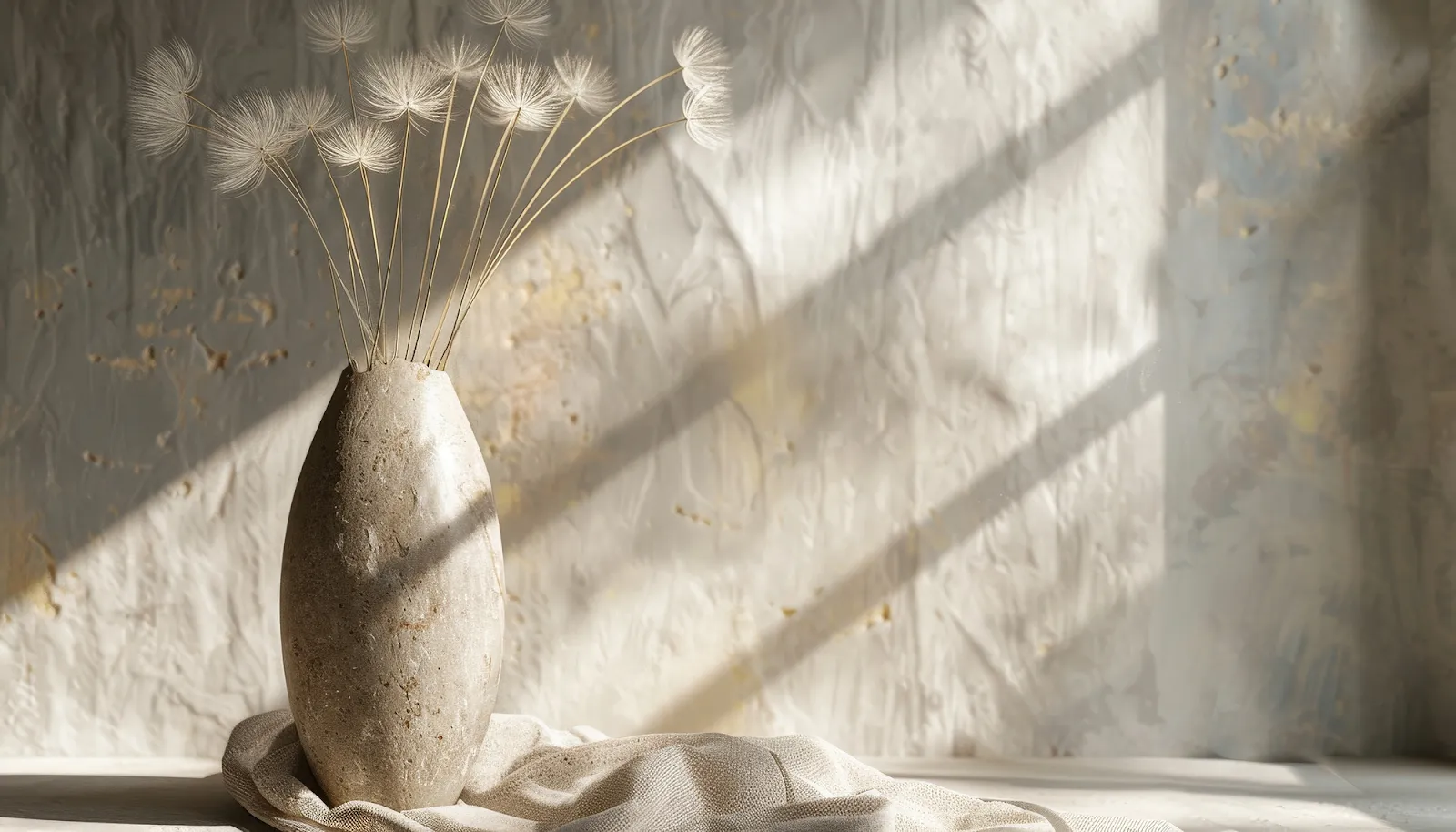
One of the defining characteristics of wabi-sabi interior design is the appreciation of imperfection. In an office, this might appear as weathered timber, textured walls, hand-crafted ceramics, or finishes that reveal subtle variations. Instead of hiding signs of age or wear, wabi-sabi celebrates them as marks of authenticity.
This principle also acknowledges that everything changes over time, materials fade, surfaces soften, and textures evolve. Embracing impermanence helps create a more grounded and human-centred workspace, steering away from the overly polished, “showroom” look often associated with corporate design.
Patina, in particular, can contribute to a company’s identity. A meeting table that develops character over years of collaboration or shelves that soften with use tell a story about the business, its people, and its growth.
This lived-in quality resonates especially well with organisations wanting to express stability, maturity, and authenticity.
4. Earthy / Muted Color Palette & Natural Light
An earthy, muted colour palette is central to creating the calm, grounded feel that wabi-sabi interior design is known for.
Soft neutrals, such as warm beige, clay tones, charcoal greys, and gentle browns, help commercial spaces feel more soothing and less visually overwhelming. These colours work particularly well in offices, where employees benefit from a serene environment that supports clarity and focus.
Natural light also plays a key role. Bright, harsh lighting can create unnecessary stress, while daylight or warm-toned artificial lighting encourages a sense of ease throughout the workspace.
By maximising sunlight through open layouts, glass partitions, and reflective surfaces, or by choosing soft ambient lighting, businesses can enhance the wabi-sabi atmosphere and improve overall employee well-being.
5. Handcrafted, Unique Or Vintage Objects
Handcrafted and vintage pieces bring a strong sense of authenticity to an office, setting it apart from the typical mass-produced corporate look.
Items such as hand-thrown ceramic planters, artisan-made lighting, or reclaimed wood furniture introduce character and depth to a workspace. These objects carry subtle imperfections that make them unique, reinforcing the wabi-sabi value of individuality over uniformity.
In a commercial environment, these thoughtful selections can also strengthen brand identity. Instead of a space that looks like every other office in Singapore’s business districts, handcrafted pieces allow companies to express personality and purpose.
They signal care, attention to detail, and a commitment to genuine, meaningful design, qualities that resonate well with clients, partners, and employees alike.
6. Asymmetry, Organic Shapes, And “Balanced Imperfection” Layout
Wabi-sabi interior design moves away from rigid symmetry and instead embraces gentle irregularities that feel natural and welcoming.
Incorporating curved furniture, uneven arrangements, or organically shaped décor pieces can soften the formality of a workspace and make it feel more human-centred. This shift introduces a sense of movement and flow, helping the office feel more dynamic and less restricted.
Balanced imperfection also supports creativity. A layout that includes varied seating heights, flexible zones, and asymmetrical arrangements encourages employees to use the space more intuitively.
It fosters a sense of openness and adaptability, which is highly valuable in modern workplaces where collaboration, innovation, and comfort all need to coexist. For business owners looking to elevate their office environment, embracing these organic forms can lead to spaces that both inspire and perform.
How To Achieve Wabi-Sabi? 15 Wabi-Sabi Interior Design Ideas For Your Workspace
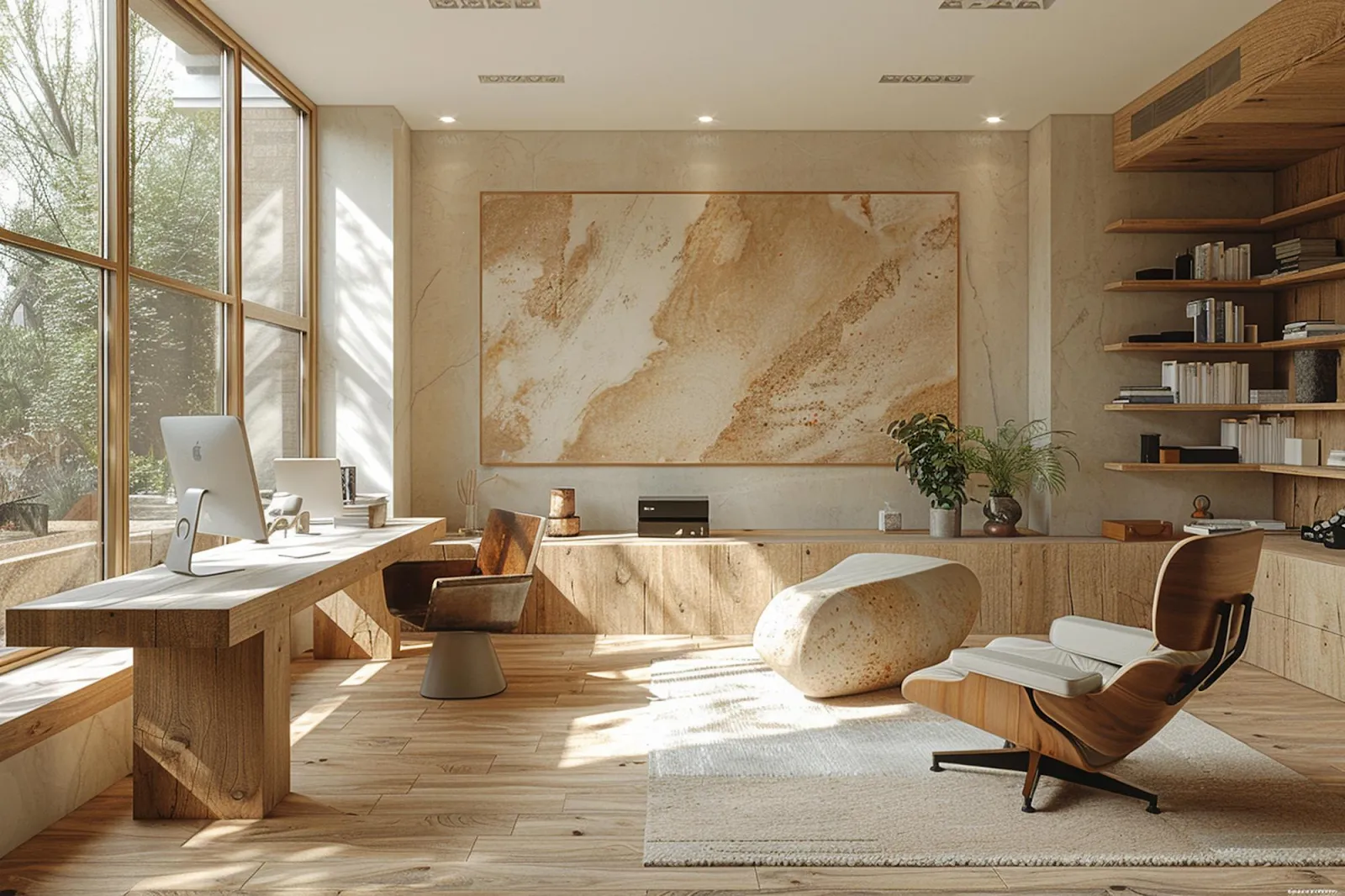
Now that the core principles of wabi-sabi interior design are clear, it’s time to translate them into practical solutions for the workplace. This section offers hands-on ideas that businesses can apply to create offices that feel calm, grounded, and genuinely inspiring.
Each concept is designed with commercial environments in mind, scalable enough for small updates yet impactful enough for full renovations.
1. Natural, Earthy Materials For Desks, Flooring, Decorative Elements
Introducing natural materials is one of the most effective ways to bring wabi-sabi into the office. Solid wood desks, stone surfaces, clay vessels, rattan pieces, and linen fabrics all contribute to a warm, tactile environment that contrasts beautifully with typical corporate finishes. These materials age gracefully, gaining character over time rather than deteriorating.
In commercial settings, durability is essential, and natural materials excel here. Hardwood flooring withstands heavy foot traffic, stone features maintain their charm despite wear, and textured fabrics soften the look of workstations. Together, they create a workspace that feels inviting, grounded, and visually rich.
2. Embrace Earthy, Muted Color Palettes
Colour plays a powerful role in shaping the atmosphere of an office. Earthy, muted tones, think sandstone beige, soft grey, charcoal, moss green, or warm taupe, help cultivate a calm, grounded environment that supports clarity and reduces visual stress.
These palettes work especially well in meeting rooms, collaborative spaces, and private offices where focus and comfort are equally important.
This approach can be applied across the workspace: wall colours that soothe rather than distract, flooring options that blend seamlessly with natural textures, and furniture finishes that complement the wider aesthetic.
3. Minimalist Layout & Clean Surfaces
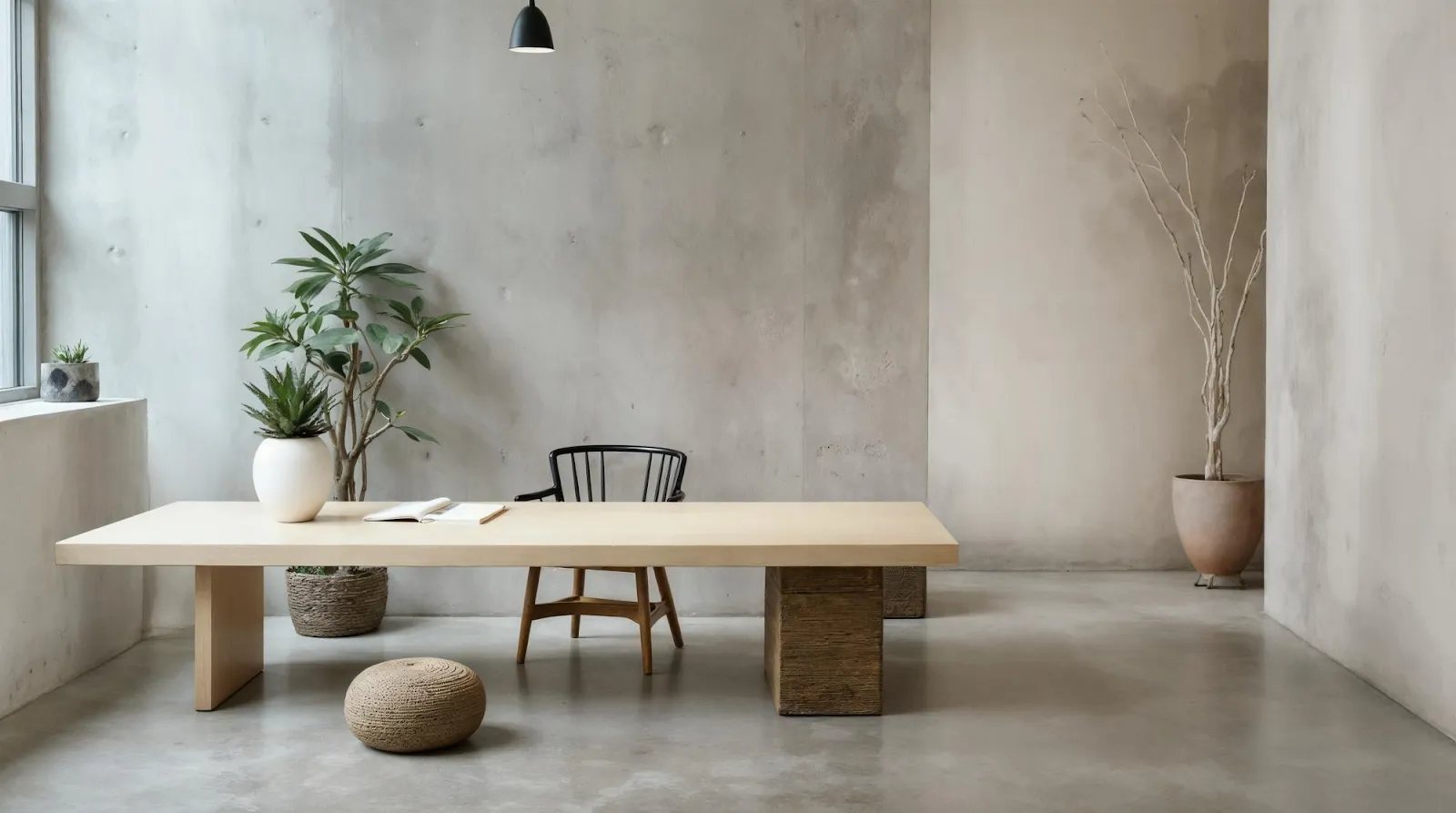
A clutter-free office is not only visually appealing, it directly contributes to improved productivity and clearer thinking. Wabi-sabi embraces purposeful minimalism, encouraging businesses to prioritise what truly matters and remove what doesn’t.
Clean surfaces, simple workstations, and streamlined pathways all help reduce mental noise and create a more organised workspace.
For corporate administrators, this might mean rethinking storage solutions, optimising desk layouts, or reducing decorative elements to only those that add real value.
When employees interact with a space that feels ordered and open, it naturally supports efficiency, concentration, and smoother daily workflow. The result is a workplace that feels refreshing rather than overwhelming, while still being highly functional.
4. Incorporate Imperfect, Handcrafted Or Vintage Furnishings
Handcrafted and vintage furnishings bring an immediate sense of depth and personality to a workspace. Chairs with hand-carved details, reclaimed timber tables, vintage shelving, or artisan-made décor pieces carry subtle imperfections that make an office feel warmer and more relatable.
These items tell a story, about craftsmanship, longevity, and authenticity, which adds a unique character that mass-produced furniture simply cannot replicate.
In commercial settings, the key is to balance charm with professionalism. A reclaimed wood conference table may become a statement piece, while handcrafted ceramics or woven textiles can be used sparingly to elevate the overall atmosphere. The result is an environment that feels cultivated and refined, yet grounded in genuine artistry.
5. Integrate Plants And Natural Elements
Greenery is one of the simplest and most effective ways to introduce wabi-sabi into an office. Plants improve air quality, reduce stress, and bring a sense of calm to busy workplaces. From large potted trees to smaller desk plants, greenery introduces softness and movement, helping the office feel more connected to nature.
Beyond plants, natural elements like stones, dried branches, bamboo accents, or natural fibre décor can add texture and reinforce the organic aesthetic.
These biophilic elements contribute to a more restorative work environment, supporting employee well-being and making the space feel fresher and more balanced. For business owners seeking an immediate improvement in ambience, this is one of the most impactful starting points.
6. Maximise Natural Light Or Use Soft, Warm Lighting
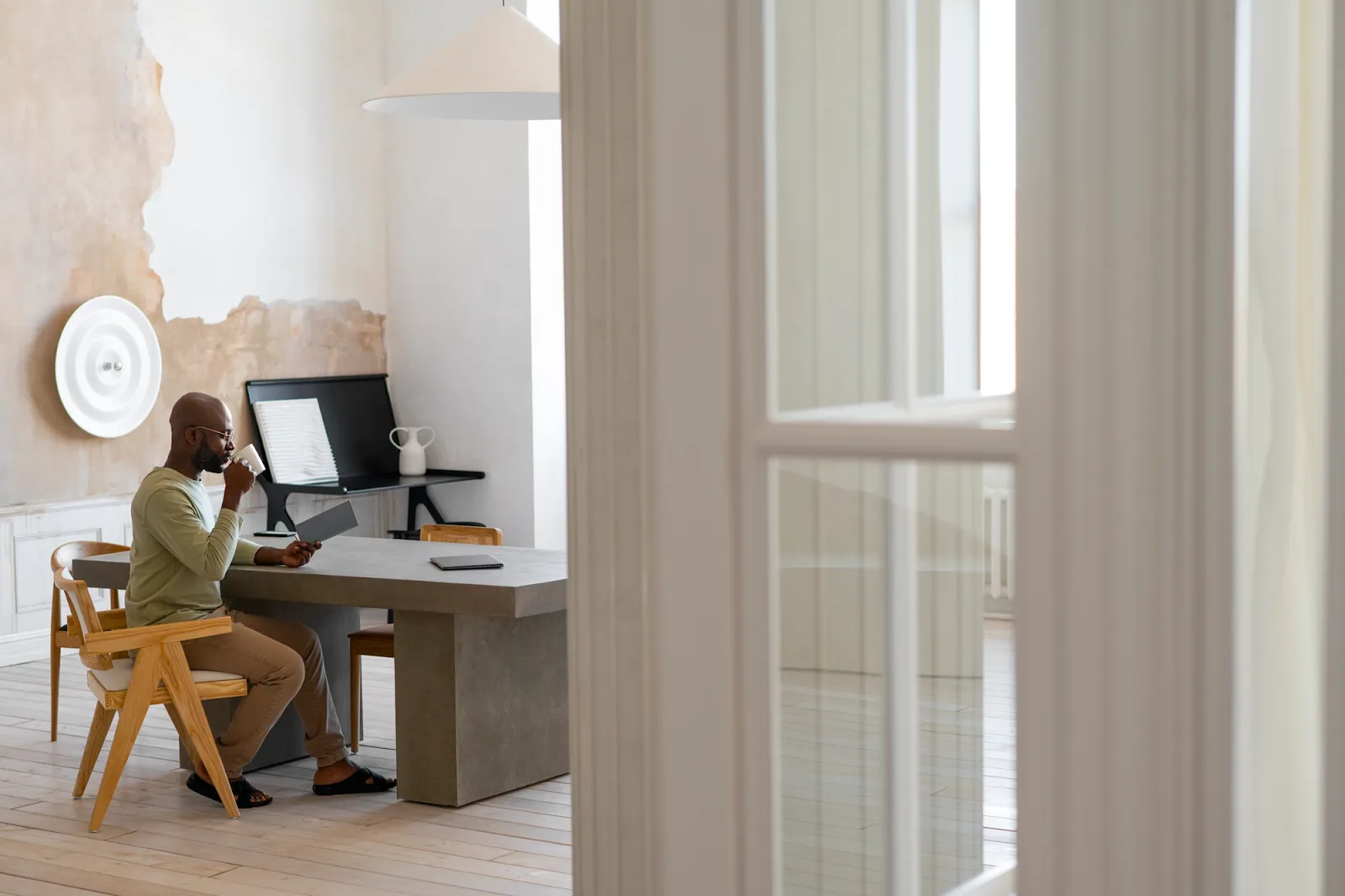
Lighting plays a crucial role in shaping the mood and functionality of an office. Maximising natural light, through open layouts, glass partitions, and unobstructed windows, helps maintain energy levels and creates an uplifting environment.
Reflective surfaces, such as light-toned flooring or matte finishes, can also help distribute daylight more effectively throughout the space.
When natural light is limited, soft, warm artificial lighting can replicate its calming effect. Warm LED fixtures, floor lamps with textured shades, and diffused ceiling lights all contribute to a gentle ambience that aligns with the wabi-sabi ethos.
This softer lighting reduces harsh contrasts, supports productivity, and enhances overall comfort, ideal for modern workplaces aiming for both operational efficiency and employee well-being.
7. Create Quiet Nooks Or Retreat Corners For Focus / Reflection
Quiet zones are becoming essential in modern offices, and wabi-sabi interior design aligns naturally with this need.
These small retreat areas allow employees to step away from the buzz of daily operations, offering a space for deep focus, reflection, or simply a mental pause. By incorporating acoustic panels, soft seating, textured rugs, and minimalist décor, these nooks become soothing pockets within the workplace.
For businesses in fast-paced environments like Singapore, providing areas dedicated to mental clarity is not just a design trend, it’s a strategic investment in employee well-being. Calm, thoughtfully designed spaces encourage better concentration, reduce stress, and foster a healthier work culture overall.
8. Use Soft, Organic Shapes And Gentle Furniture Contours
Introducing soft, organic shapes is a powerful way to shift a workspace from rigid to relaxing. Curved furniture, rounded tabletops, circular rugs, and flowing silhouettes all help soften the office’s visual language.
These shapes create a sense of ease and movement, improving spatial flow and reducing the harshness often associated with traditional corporate interiors.
Organic forms also stimulate creativity. When the physical environment feels fluid and inviting, employees tend to feel more open and inspired. This design strategy is especially useful in collaborative areas, lounges, and meeting rooms, helping teams feel more comfortable and engaged in their work.
9. Combine Textures, Rough & Smooth, Matte & Slightly Weathered

Texture layering is a key feature of wabi-sabi interior design, bringing depth and warmth to commercial spaces.
Pairing rough materials like reclaimed wood with smooth ceramics, or contrasting matte finishes with soft linen fabrics, creates a rich sensory experience that feels grounded yet refined. These combinations add visual interest without overwhelming the space.
In an office context, varied textures help break the monotony of flat surfaces and synthetic materials. They introduce a tactile quality that encourages connection and comfort.
From textured wall finishes to layered furnishings, the interplay of textures elevates the overall atmosphere and enhances the workspace’s character.
10. Maintain Functional Simplicity, Practical And Purposeful Furniture/Decor
Functional simplicity is a core strength of wabi-sabi interior design, especially in commercial settings where efficiency matters.
Prioritising ergonomic furniture, streamlined storage, and décor that serves a clear purpose helps create an orderly environment that supports daily operations. Each item should contribute to comfort, organisation, or workflow, nothing unnecessary, nothing purely ornamental.
Multi-use pieces are particularly valuable in office design. Think modular shelving, flexible seating, or desks with built-in storage.
By choosing furniture that adapts to evolving business needs, companies create a workspace that remains practical, uncluttered, and easy to navigate, ideal for maintaining focus and productivity.
11. Celebrate “Wear And Age”, Let Materials Show Patina Over Time
Wabi-sabi interior design embraces the natural ageing of materials, allowing patina to add character and history to a workspace.
Instead of hiding signs of use, this approach acknowledges them as part of the story. Worn leather chairs, oxidised metal accents, distressed timber, or softly faded fabrics can all enhance the personality of an office.
In commercial environments, these visible signs of age can make a space feel more approachable and grounded.
The patina communicates authenticity and longevity, qualities that reflect well on a company’s identity. This lived-in aesthetic helps clients and employees feel instantly at ease, reinforcing a welcoming atmosphere.
12. Emphasis On Negative Space (“Breathing Room”)
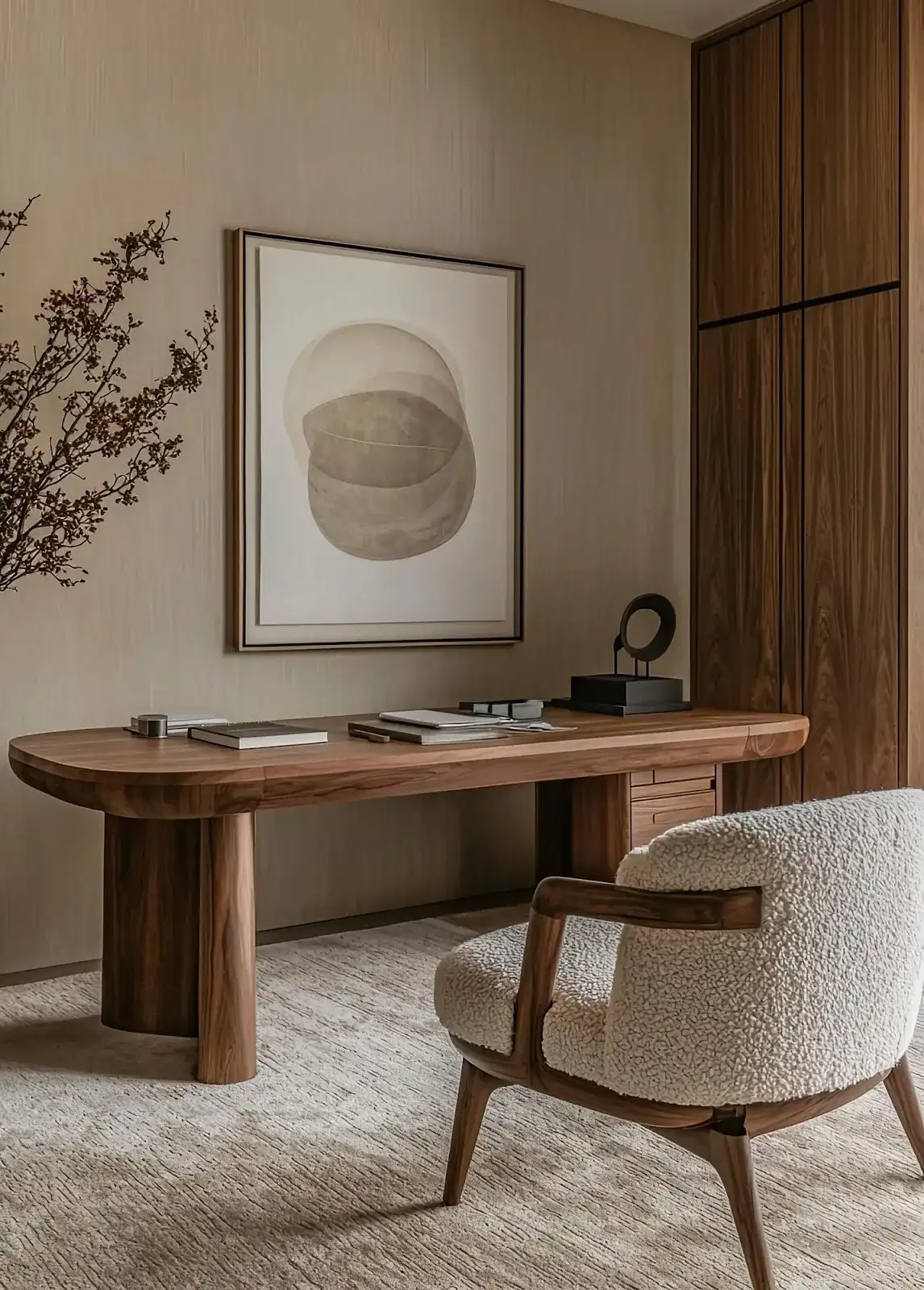
Negative space is a powerful design tool that often goes overlooked in busy workplaces. In wabi-sabi interior design, open areas are just as important as the elements that fill them.
Allowing for “breathing room” between furniture, décor, and pathways helps create visual clarity and encourages a calmer working environment.
This approach reduces sensory overload and makes a workspace feel more open and manageable. Strategic spacing improves circulation, supports smoother movement, and helps employees stay mentally focused.
13. Modern Functionality With Rustic / Natural Aesthetic
Blending modern functionality with a rustic or natural aesthetic is one of the most practical ways to bring wabi-sabi interior design into the workplace.
The goal is to meet the demands of a tech-driven office while introducing materials that feel grounded and organic. Think of a reclaimed-wood meeting table equipped with built-in power points, or a collaboration area featuring natural fibre seating paired with discreet charging hubs.
This balance allows companies to maintain a polished, professional image without sacrificing warmth. By pairing high-performance tools with rustic textures, offices achieve a look that feels both contemporary and connected to nature.
14. Use Decorative Accents Sparingly, Single Statement Pieces Instead Of Many Items
Wabi-sabi encourages restraint, especially when it comes to décor. Instead of filling the workspace with numerous decorative items, a single, thoughtfully chosen piece can make a far greater impact.
A handcrafted ceramic vase on a reception counter, a sculptural light fitting in a meeting room, or a textured artwork along a corridor can elevate the environment without adding clutter.
This pared-back approach enhances elegance and clarity. By selecting meaningful accents that align with the company’s identity, businesses create a refined atmosphere that feels intentional rather than overwhelming. It also allows each object to have space to shine, reinforcing the idea that less can indeed be more.
15. Design For Mindfulness, Encourage Calm, Reflection, And Well-Being

Mindfulness is a powerful complement to wabi-sabi interior design, especially in high-pressure workplaces. Creating spaces that encourage employees to slow down, breathe, and regroup can significantly improve overall performance and well-being.
Simple design choices, soft textures, warm lighting, natural soundscapes, and uncluttered surroundings, help cultivate a calming environment.
Mindfulness-friendly zones can take many forms: a quiet corner with comfortable seating, a small zen-inspired garden, or a softly lit lounge for mental breaks.
These areas support reflection and mental clarity, helping employees return to work with renewed focus. For businesses aiming to enhance productivity and staff satisfaction, designing with mindfulness in mind is a strategic step forward.
Conclusion About Wabi-Sabi Interior Design
Wabi-sabi interior design offers more than a stylistic shift, it reshapes the way workspaces feel, function, and support the people who use them daily.
As companies across Singapore rethink what a modern workspace should be, wabi-sabi stands out as a long-term design philosophy that champions authenticity over trends and human experience over surface-level polish.
If you’re considering bringing this approach into your commercial space, Yangs Design Associates is a trusted partner equipped to guide the transformation.
Established in 2017 in Singapore, Yangs Design Associates blends the creativity of seasoned interior designers with the technical expertise of experienced contractors, delivering tailored solutions that balance aesthetics, functionality, and long-term workplace productivity.
Their services span Pre-lease advisory, Design & Build, Interior Design Consultancy, and Reinstatement, all backed by a deep understanding of Singapore’s fast-paced commercial landscape.
From corporate offices to retail environments, their team crafts spaces that not only look refined but also align with business goals and operational needs.
Whether you need thoughtful space planning, sustainable material selection, or end-to-end project execution, Yangs Design Associates ensures every detail, from early concepts to post-completion follow-up, is handled with care, clarity, and efficiency.
With free consultation, non-obligatory quotations, and build space allocation calculations, they make the process both accessible and strategic.
For businesses seeking a workspace that reflects authenticity, supports productivity, and stands the test of time, consider partnering with Yangs Design Associates, your trusted expert in creating meaningful, modern commercial environments inspired by wabi-sabi interior design.
Frequently Asked Questions About Wabi-Sabi Interior Design
What Makes Wabi-Sabi Interior Design Different From Other Minimalist Styles?
Wabi-sabi interior design focuses on natural ageing, organic textures, and imperfection, while most minimalist styles prioritise clean lines and flawless finishes.
Is Wabi-Sabi Interior Design Suitable For Corporate Offices With High Foot Traffic?
Yes. Its durable, natural materials, like stone, wood, and textured finishes, age gracefully, making them ideal for busy commercial environments.
Do Businesses Need Major Renovations To Adopt Wabi-Sabi Interior Design?
Not necessarily. Simple changes, like adding plants, using textured décor, or switching to warm lighting, can introduce the wabi-sabi feel without a full remodel.
How Do I Maintain An Office Designed With Wabi-Sabi Principles?
Maintenance is minimal. The style celebrates ageing and weathering, allowing natural patina, faded textures, and organic wear to enhance the workspace over time.
Can Wabi-Sabi Interior Design Be Integrated Into An Existing Office Layout Without Major Changes?
Yes. Businesses can start with small updates, adding natural décor, adjusting lighting, or introducing raw materials, without altering the full layout.
Should Companies Blend Wabi-Sabi Interior Design With Other Design Styles?
They can. Wabi-sabi integrates well with Scandinavian, industrial, and modern aesthetics, offering flexibility for diverse commercial branding.

