

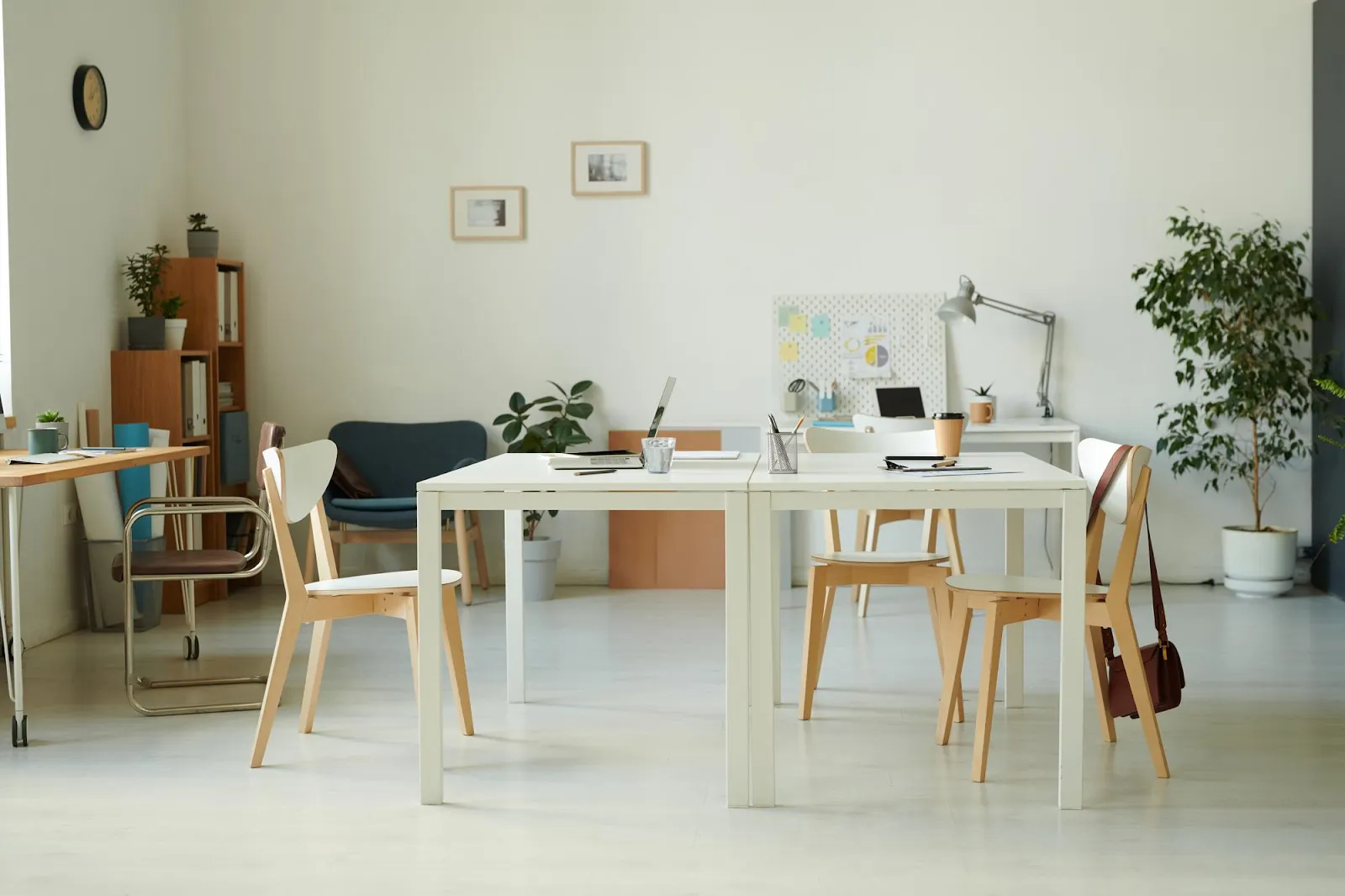
Scandinavian interior design has become a popular choice for modern commercial offices, thanks to its clean lines, natural light, and focus on functional spaces that support productivity.
With its emphasis on simplicity and well-being, this design style helps create calm, efficient, and visually cohesive workplaces that employees genuinely enjoy using. In this guide, we’ll explore 15 practical Scandinavian-inspired ideas tailored specifically for office workspaces.
From maximising daylight to integrating natural materials and flexible layouts, these concepts will help corporate administrators design environments that feel modern, welcoming, and purpose-driven, while delivering proven results in comfort, focus, and overall workplace performance.
What Is Scandinavian Interior Design?

Scandinavian interior design is a style rooted in the Nordic countries, known for its simplicity, calmness, and thoughtful functionality.
It emerged in the early 20th century as a response to long winters and limited daylight, prompting designers to create spaces that felt brighter, warmer, and more efficient. Today, this approach has evolved into a globally recognised aesthetic that blends clean lines with comfort and purpose.
Key characteristics include light, neutral colour palettes, natural materials like wood and stone, and a strong focus on minimalism.
The goal is to create spaces that feel uncluttered, visually balanced, and easy to navigate. Instead of excessive decoration, Scandinavian design prioritises practical elements that improve everyday usability, something highly valuable in fast-paced office environments.
15 Scandinavian-Inspired Collaborative Spaces For Modern Offices
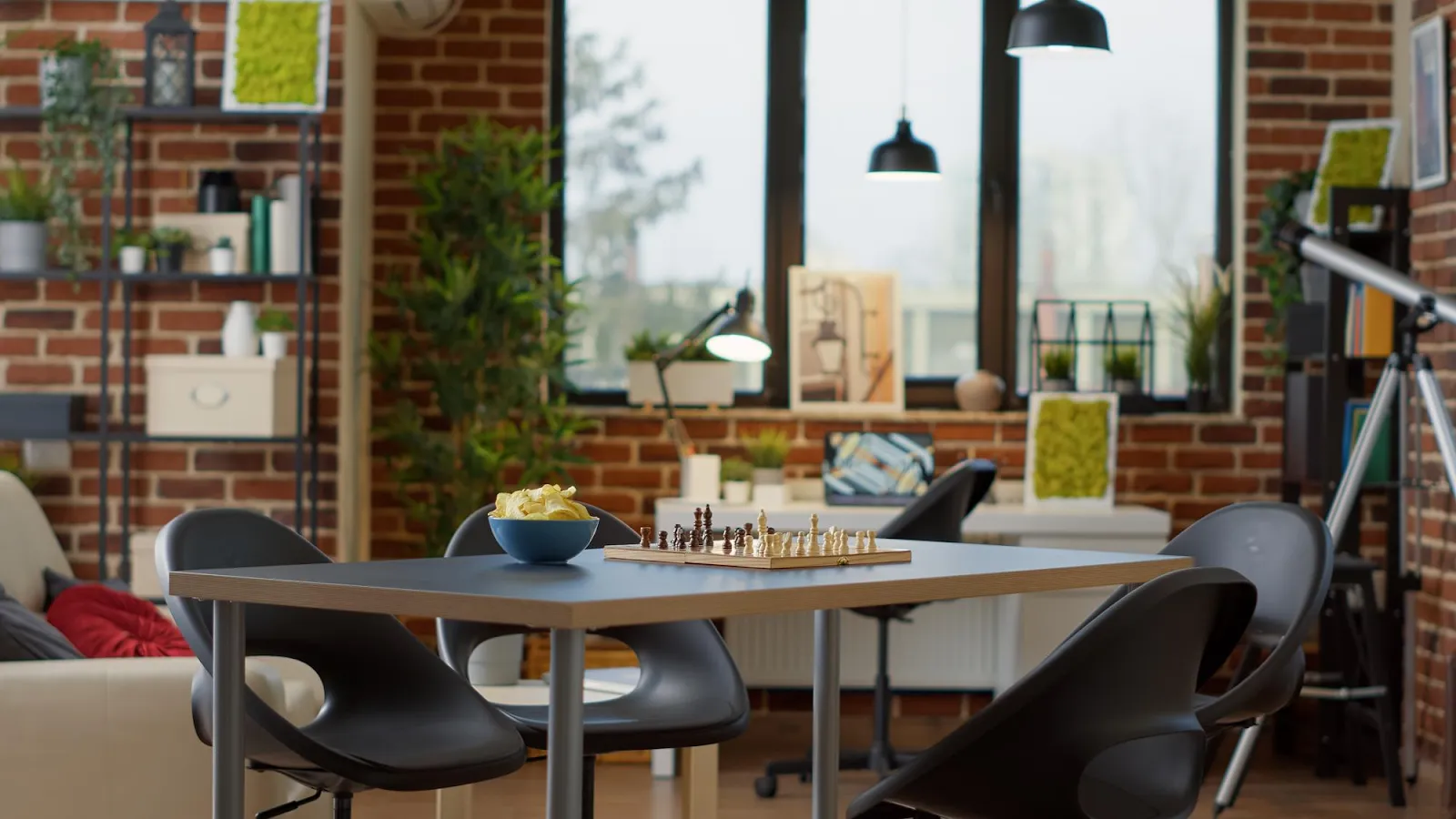
Creating a workspace that feels modern, calm, and highly functional is a priority for many businesses in Singapore, and Scandinavian design offers a practical way to achieve this.
Each concept is easy to implement and adaptable to different commercial settings, from corporate offices to co-working environments.
These Scandinavian-inspired strategies will help you shape collaborative spaces that not only look refined but also enhance the overall workplace experience.
1. Maximise Natural Light With Open Layouts And Glass Partitions
Natural light plays a significant role in Scandinavian interior design, and its benefits extend well beyond aesthetics.
In office environments, increased daylight can boost employee well-being, reduce eye strain, and support healthier work habits. It also helps lower energy consumption, making it a practical choice for businesses aiming to operate more sustainably.
Incorporating glass partitions instead of solid walls is an effective way to distribute light throughout the office. They maintain privacy while keeping the space visually open.
Pairing these with wide windows and a well-planned open layout ensures that natural light flows freely across work zones, meeting rooms, and collaborative areas.
This approach creates an airy, uplifting environment that aligns perfectly with Scandinavian design values, clear, uncluttered, and welcoming.
2. Use Light, Neutral Color Palettes (Whites, Soft Greys, Beiges, Pastels)
Neutral colour palettes lie at the heart of Scandinavian interiors. These soft hues help offices feel calm and professional, making them ideal for corporate settings where clarity and focus are essential.
Whites, light greys, beiges, and muted pastels work together to brighten the space and give it a clean, cohesive atmosphere.
These colours can be used across multiple elements: wall paint, built-in cabinetry, office furniture, or flooring. Light-toned materials visually enlarge smaller rooms, which is particularly valuable in Singapore’s compact commercial spaces.
The gentle tones also act as a versatile backdrop for branding or accent pieces without overwhelming the environment.
By adopting a neutral palette, offices can achieve a polished yet inviting look that effortlessly supports productivity.
3. Incorporate Natural Materials , Wood, Stone, Textiles

Natural materials bring warmth and authenticity to any workspace, balancing the clean minimalism often associated with Scandinavian interior design.
For commercial settings, materials such as light wood, stone, and textured textiles add depth and character to the environment, making it feel more welcoming and human-centric.
Wood works particularly well for office flooring, desks, shelving, and panelling. Stone surfaces can enhance reception counters, pantry areas, or meeting room tables, lending a sense of durability and elegance.
Soft textiles, such as rugs, cushions, and upholstery, help soften acoustic noise while introducing subtle texture.
These elements work together to create an office that feels grounded and comfortable, promoting a positive atmosphere where employees can concentrate and collaborate effectively. Natural materials also complement sustainable design practices, a growing focus for many businesses in Singapore.
4. Prioritise Clean Lines, Minimalism And Functional Layouts
Simplicity is one of the key foundations of Scandinavian interior design, making it an ideal approach for busy office environments.
By keeping surfaces uncluttered and layouts straightforward, businesses can create workspaces that feel more organised and easier to navigate. Clean lines in furniture and built-ins help reduce visual distractions, allowing employees to stay focused throughout the day.
In practice, this can mean choosing streamlined desks, integrated storage solutions, and open floor plans that avoid unnecessary partitions. Thoughtful space planning also ensures that teams can move efficiently between zones, improving workflow and communication.
A minimalist approach doesn’t mean empty, it means every element serves a purpose, creating a workspace that feels intentional, calm, and professionally polished.
5. Choose Sleek, Multi-Purpose Furniture And Modular Solutions
Scandinavian design places strong emphasis on practicality, making multi-purpose furniture an excellent fit for modern offices.
As commercial spaces in Singapore often need to adapt to hybrid working, client meetings, or team collaborations, flexible furniture becomes a valuable asset. Multi-functional pieces help businesses maximise every square metre without compromising on style.
Examples include modular desks that can be rearranged for group discussions, stackable chairs for training rooms or townhalls, and shelving systems that double as subtle space dividers. These solutions make it easier to customise the office layout as business needs evolve.
By investing in adaptable furniture, companies can maintain a clean, cohesive Scandinavian aesthetic while enjoying better space efficiency and long-term cost savings.
6. Combine Ambient, Task, And Natural Light
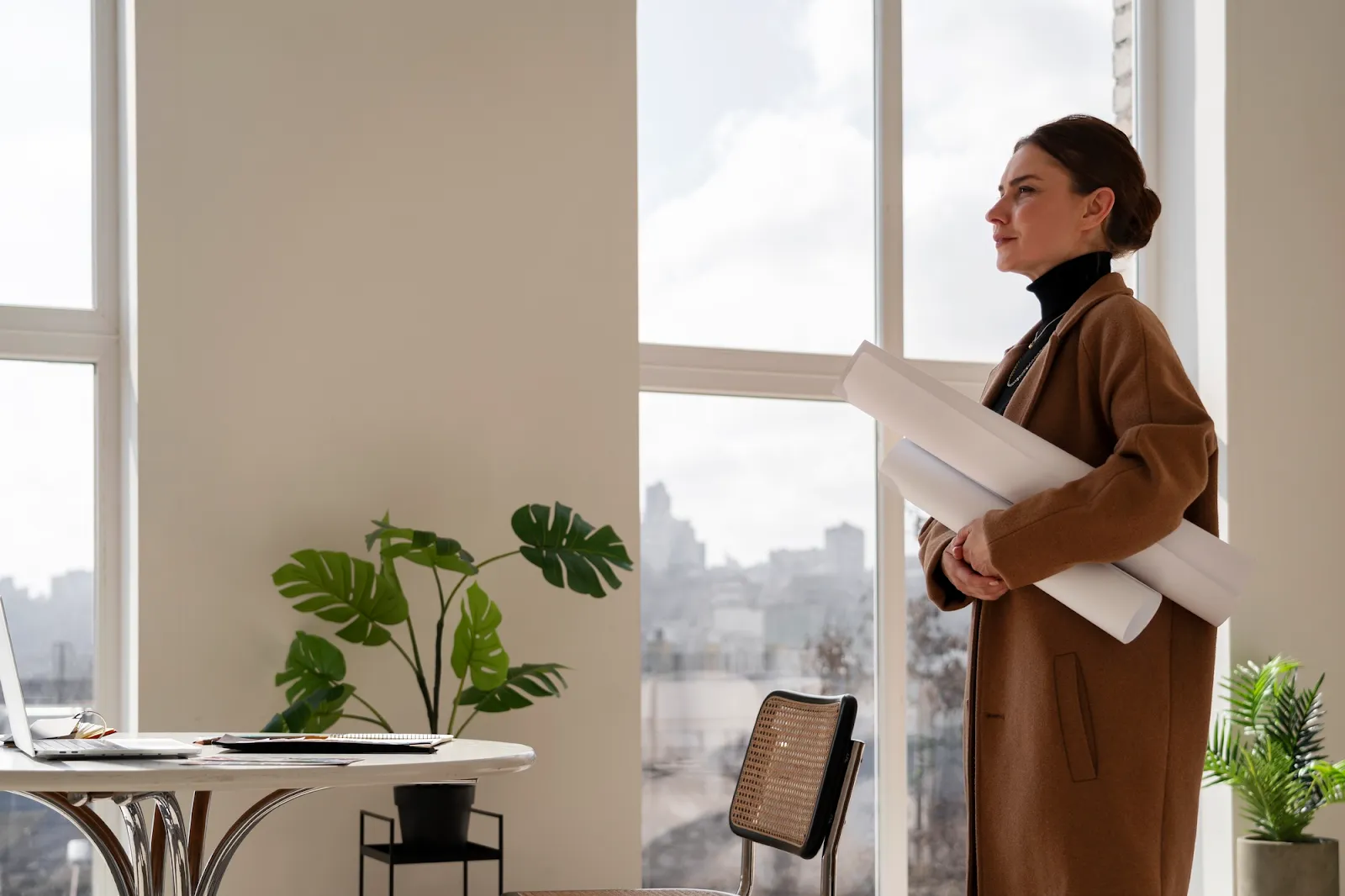
Lighting plays a crucial role in Scandinavian interior design, not just for aesthetics but also for employee comfort and well-being.
Layering different light sources helps create a balanced, inviting environment that supports various types of work. Natural daylight should always be the foundation, with ambient and task lighting filling in the gaps as needed throughout the day.
Pendant lights can soften communal areas or meeting rooms, while desk lamps provide focused illumination for individual tasks. Diffused ceiling lights help brighten shared zones without creating harsh glare.
When combined, these lighting layers create a warm, comfortable atmosphere that enhances clarity and reduces eye strain, important considerations for employees who spend long hours at their desks.
This thoughtful approach to lighting aligns perfectly with Scandinavian design principles and contributes to a healthier, more productive workspace.
7. Introduce Greenery And Biophilic Elements
Incorporating greenery is a simple yet powerful way to elevate Scandinavian interior design within office environments.
Plants not only improve air quality but also contribute to employee well-being by creating a refreshing, calming atmosphere. For busy workplaces in Singapore, this touch of nature can help counterbalance the stresses of long working hours and fast-paced corporate routines.
Scandinavian-inspired plant arrangements typically lean towards simplicity, think sleek, minimalist planters, potted greenery positioned near windows, or subtle hanging plants that add visual interest without overwhelming the space.
Even a few well-placed plants can soften sharp lines and brighten neutral interiors, making the office feel more human and inviting.
Greenery blends seamlessly with the Scandinavian commitment to natural elements, bringing life, colour, and warmth into workspaces that might otherwise appear too minimal or rigid.
8. Create Collaborative Zones & Flexible Work Areas
Scandinavian design naturally supports the modern shift towards collaborative work cultures. Offices today thrive on teamwork, shared ideas, and dynamic interactions, and having dedicated zones for these activities is essential.
By adopting open layouts and flexible spatial planning, businesses can craft work environments that encourage people to come together more organically.
Lightweight furniture plays a key role here. Lounge seating, ottomans, and moveable tables allow teams to reconfigure spaces as needed for brainstorming sessions, casual meetings, or project work.
These flexible zones are especially beneficial for agencies, startups, and coworking hubs where daily activities frequently change.
A Scandinavian-inspired collaborative space feels relaxed yet purposeful, exactly the sort of environment that fosters creativity, innovation, and stronger team engagement.
9. Add Textiles, Soft Accents, And Subtle Decor
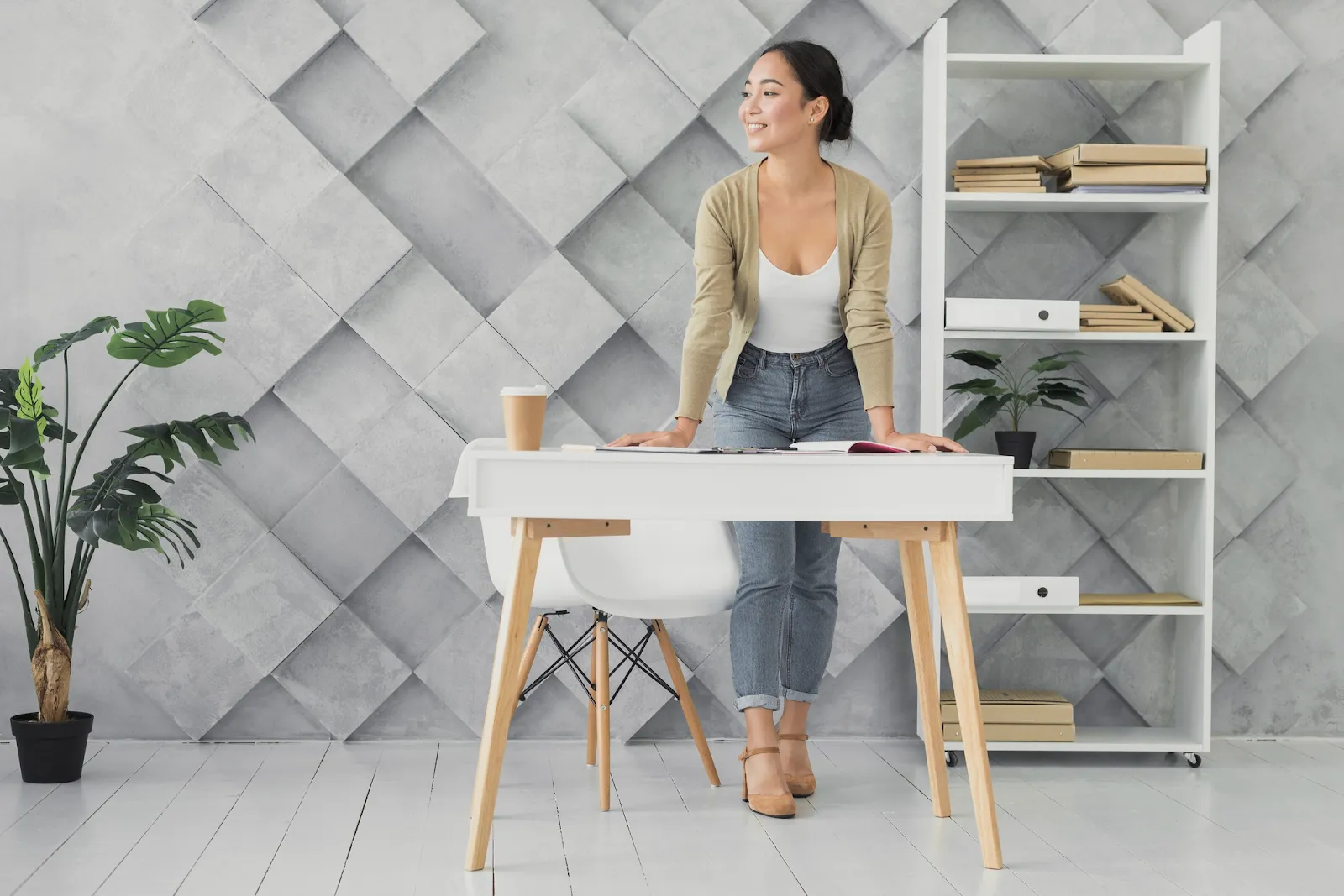
While Scandinavian interiors lean towards minimalism, adding textiles and soft accents is essential to prevent the office from feeling too stark or impersonal.
Carefully chosen fabrics can warm up the space without compromising the clean, uncluttered look that defines the style. Items like textured rugs, upholstered seating, or simple throws introduce comfort and tactility into meeting rooms or breakout lounges.
Subtle décor, such as framed prints, muted-toned cushions, or sculptural vases, can enhance the environment while keeping visual noise to a minimum. The key is to choose pieces that complement the neutral palette and maintain a professional atmosphere appropriate for office settings.
With the right balance of textiles and decor, Scandinavian-inspired workplaces feel more welcoming, polished, and enjoyable to work in, encouraging employees to take pride in their environment.
10. Use Light Wood Flooring Or Furniture To Reflect Light And Add Warmth
Light-toned wood is a hallmark of Scandinavian interior design, and it brings a natural brightness to office spaces.
By reflecting light instead of absorbing it, these finishes help make commercial interiors feel more open and visually consistent. This is particularly beneficial in Singapore, where many offices operate in compact floor plates that benefit from enhanced spaciousness.
Ideal wood types for commercial use include ash, birch, oak, and maple, each offering a soft, clean grain that complements Scandinavian aesthetics. Matte or semi-matte finishes tend to work best, as they maintain a natural look while offering durability suitable for high-traffic office environments.
Light wood flooring, work desks, cabinetry, and communal tables all contribute to a cohesive and timeless Scandinavian look. The warmth of natural timber balances minimalism beautifully, ensuring the workspace feels inviting yet professional.
11. Opt For Open-Plan Layouts With Flexible Partitioning Rather Than Closed Cubicles
Scandinavian design embraces a sense of openness and transparency, making open-plan layouts far more appealing than traditional closed cubicles. Open spaces encourage interaction, improve communication across teams, and create a more energising environment that supports modern work culture.
Compared to cubicles, open-plan concepts help reduce the feeling of isolation and allow natural light to circulate more freely.
This can significantly improve employee morale and productivity. Still, privacy is important, especially for meetings or focused work, so flexible partitioning solutions can offer balance without fully enclosing the space.
Options include movable screens, acoustic panels, slimline glass partitions, or modular dividers that can be shifted as team needs evolve. These allow companies to adapt quickly without major renovation work, making them perfect for dynamic corporate environments.
12. Combine Scandinavian Minimalism With Slight Industrial Touches (Concrete, Exposed Beams, Metal)
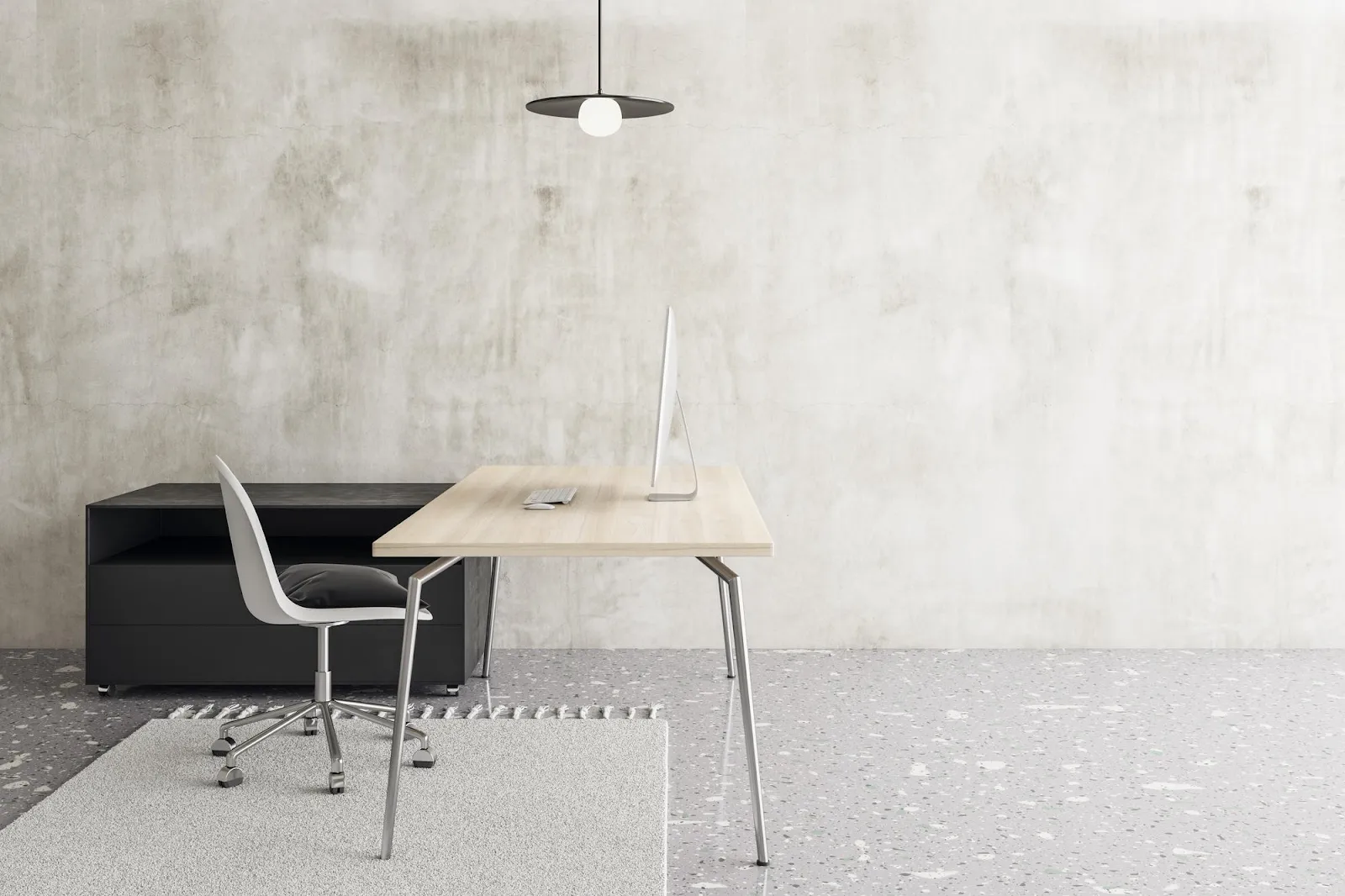
Introducing industrial accents can give Scandinavian interior design a contemporary edge, especially in commercial and creative office settings. The key is moderation, adding just enough contrast to enhance the space without overpowering the clean, calm essence of Scandinavian style.
Industrial elements like exposed beams, polished concrete floors, matte black metal frames, or minimalist pendant lights can be integrated into meeting rooms, pantry areas, or collaborative zones.
These features add texture and a modern character that pairs well with the neutral palette and natural materials typical of Scandinavian design.
This hybrid look is especially popular with tech companies, design studios, and forward-thinking corporate offices seeking a workspace that feels both sleek and grounded.
By blending the softness of Scandinavian aesthetics with the boldness of industrial features, you create a workspace that is stylish, functional, and distinctly contemporary.
13. Use Geometric Or Graphic Prints Sparingly For Accent Visual Interest
Introducing geometric or graphic prints is a simple way to inject personality into a Scandinavian-inspired office without overwhelming its clean and minimal aesthetic. These patterns can bring subtle visual rhythm to a space, helping break up large neutral surfaces while keeping the design refined and professional.
Geometric elements work best in areas such as rugs, wall art, soft furnishings, and even slimline workspace dividers.
When used selectively, they add just enough character to make the space feel dynamic yet composed. Soft-toned or monochrome prints are ideal, as they align with Scandinavian design principles while supporting the company’s brand identity in a tasteful and modern way.
14. Incorporate Sustainable / Natural/ Eco-Friendly Materials

Sustainability sits at the core of Scandinavian interior design, making it a natural fit for businesses looking to adopt greener practices in their office spaces. Using eco-friendly materials not only supports the environment but also contributes to healthier indoor air quality and long-term durability.
Suitable sustainable options for commercial offices include recycled or FSC-certified wood, natural fibres like wool and linen, bamboo elements, and low-VOC paints and finishes.
These materials offer visual warmth and textural interest while aligning with corporate ESG commitments and green certification goals increasingly seen in Singapore’s commercial sector.
By prioritising eco-friendly choices, businesses send a strong message about responsibility and forward-thinking values, something clients, employees, and stakeholders appreciate.
15. Minimalist Branding & Clean Signage
Scandinavian design is an excellent foundation for corporate branding, thanks to its clean lines, uncluttered surfaces, and neutral palette. This allows brand elements to stand out subtly without dominating the space or interrupting its calm aesthetic.
Logos, signage, and brand colours can be integrated through glass decals, accent walls, directional signs, or sleek wayfinding systems.
Using soft tones or muted variations of the brand palette ensures the overall look remains cohesive and sophisticated. Clean signage also supports navigation, especially in larger offices, enhancing both form and function.
With the right balance, minimalist branding helps reinforce corporate identity while maintaining the polished, professional atmosphere that Scandinavian design is known for, creating a workspace that is both aesthetically consistent and undeniably “on brand.”
Conclusion About Scandinavian Interior Design In Singapore
Scandinavian interior design continues to stand out as an excellent choice for commercial offices in Singapore, where space efficiency, employee comfort, and long-term sustainability are essential.
Its emphasis on natural light, open layouts, and thoughtful functionality aligns well with the fast-paced yet space-conscious nature of Singapore’s business landscape.
If you are considering transforming your office into a modern, efficient, and employee-centric space, Yangs Design Associates offers the expertise to bring these ideas to life.
Established in 2017, the firm merges the creativity of seasoned interior designers with the hands-on proficiency of experienced contractors, a combination that ensures every commercial project is both visually compelling and operationally sound.
From Pre-Lease Advisory, Design & Build, Interior Design Consultancy, to Reinstatement Services, Yangs Design Associates delivers solutions that respond to Singapore’s unique commercial challenges while capturing each client’s brand identity and operational goals.
Their commitment to sustainable practices, efficient project management, and client-focused design sets them apart within the industry.
Whether you need a workspace that enhances collaboration, boosts productivity, or simply reflects your company’s professionalism, the team at Yangs Design Associates is equipped with the right expertise and experience to guide you every step of the way.
Ready to elevate your office environment? Contact Yangs Design Associates for a free consultation and a non-obligatory quotation. Your next workspace could be the one that inspires success.
Frequently Asked Questions About Scandinavian Interior Design In Singapore
Does Scandinavian Interior Design Work Well In High-Traffic Commercial Areas?
Yes. Scandinavian interior design emphasises durable materials and clean layouts, making it practical for busy office corridors, reception areas, and shared spaces.
Are Scandinavian Interior Design Elements Easy To Maintain In Corporate Offices?
Most Scandinavian features, such as light wood surfaces, neutral walls, and simple furnishings, are easy to clean and maintain, which is ideal for corporate environments.
Is Scandinavian Interior Design Suitable For Tech Companies And Creative Teams?
Yes. Its flexible layouts and modern aesthetic perfectly complement dynamic workplaces that require both collaboration and focus.
Can Modern Scandinavian Interior Design Improve The Acoustics Of Open-Plan Offices?
It can. Adding soft textiles, acoustic panels, and natural materials can help manage sound levels while maintaining the Scandinavian look.
Should Businesses Invest In Natural Materials When Adopting Scandinavian Interior Design?
Yes. Natural materials like wood, linen, and stone enhance warmth, sustainability, and visual appeal, making the investment worthwhile for long-term use.

