

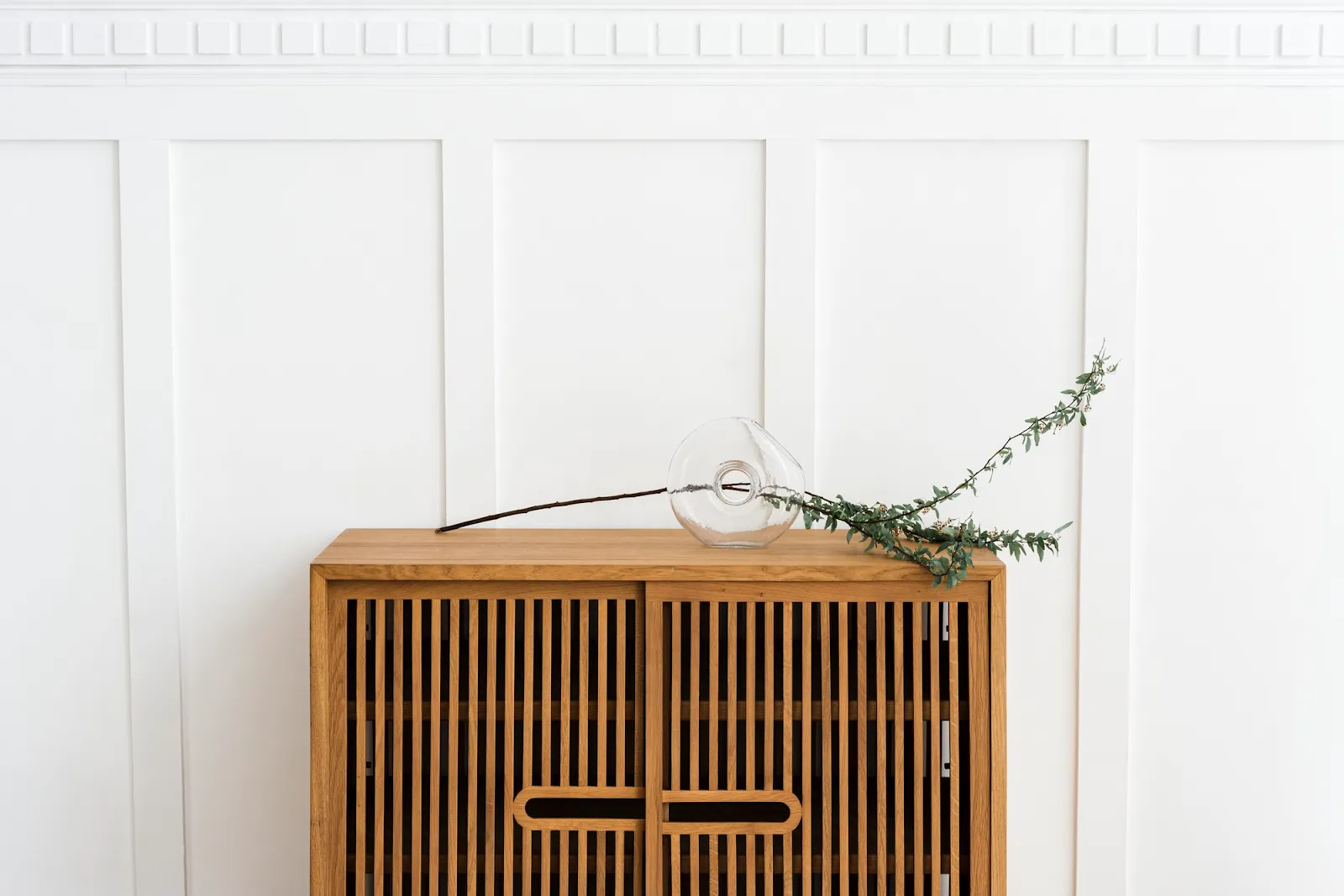
Japandi style interior design elevates modern offices with calm, minimalist workspaces that boost productivity. Contact us to transform your commercial space.
Japandi style interior design has quickly become a favourite in modern commercial spaces, and it’s easy to see why. Blending the clean simplicity of Scandinavian design with the calm, natural elegance of Japanese minimalism, this style creates workplaces that feel both polished and peaceful.
As companies look to improve employee well-being, productivity, and overall brand experience, Japandi offers a balanced, clutter-free environment that supports focus and comfort.
Its use of natural materials, warm tones, and purposeful layouts makes it especially effective for today’s offices, from reception areas to collaborative zones.
What Is Japandi Interior Design?
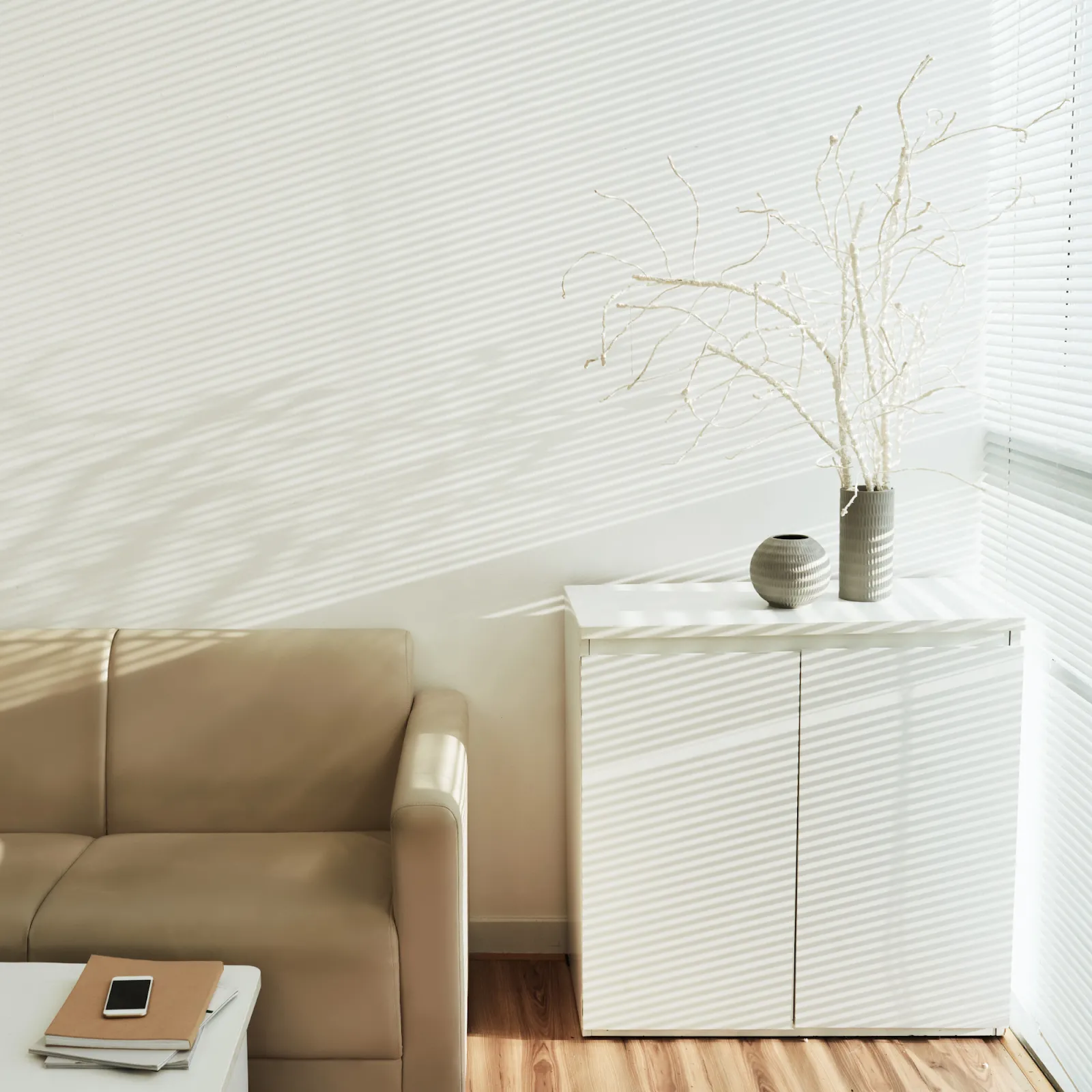
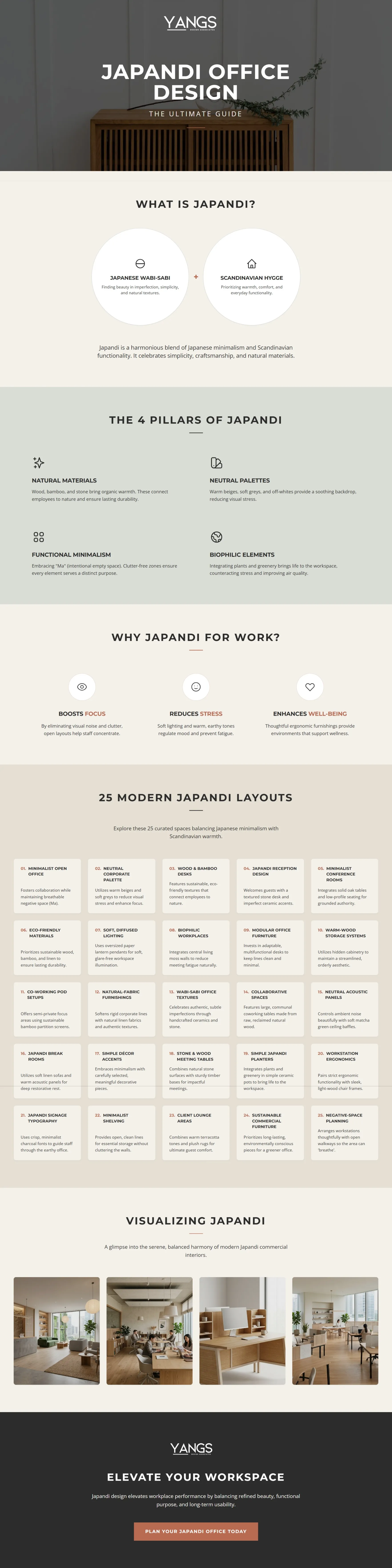
Japandi interior design is a harmonious blend of Japanese minimalism and Scandinavian functionality, two design philosophies that naturally align to create spaces that feel calm, purposeful, and visually refined.
At its core, Japandi celebrates simplicity, craftsmanship, and natural materials, resulting in interiors that are both aesthetically pleasing and highly practical for modern workplaces.
Japanese design contributes the principles of wabi-sabi (finding beauty in imperfection), ma (intentional empty space), and a deep appreciation for natural textures like wood, bamboo, and stone.
Scandinavian design, on the other hand, brings warmth, comfort, and usability, prioritising clean lines, soft neutral palettes, and furniture that supports everyday functionality. When these two styles merge, the result is a workspace that feels grounded yet sophisticated.
This fusion is particularly effective in commercial environments across Singapore, where businesses value efficiency but also want office spaces that inspire focus and well-being.
Japandi’s uncluttered layouts make even smaller floor plans feel open and organised, an advantage in a city where space comes at a premium. Its emphasis on warm neutrals and organic materials also softens the typical corporate atmosphere, creating a more welcoming environment for employees and clients alike.
Beyond aesthetics, Japandi interior design supports productivity. The style eliminates unnecessary visual noise, helping staff concentrate more easily, while its strategic use of natural lighting and earthy tones contributes to a more relaxed working atmosphere.
These qualities make it ideal for reception areas, meeting rooms, breakout zones, and open-plan offices where comfort and clarity are crucial.
25 Modern Japandi Office Layouts That Boost Productivity And Employee Well-Being
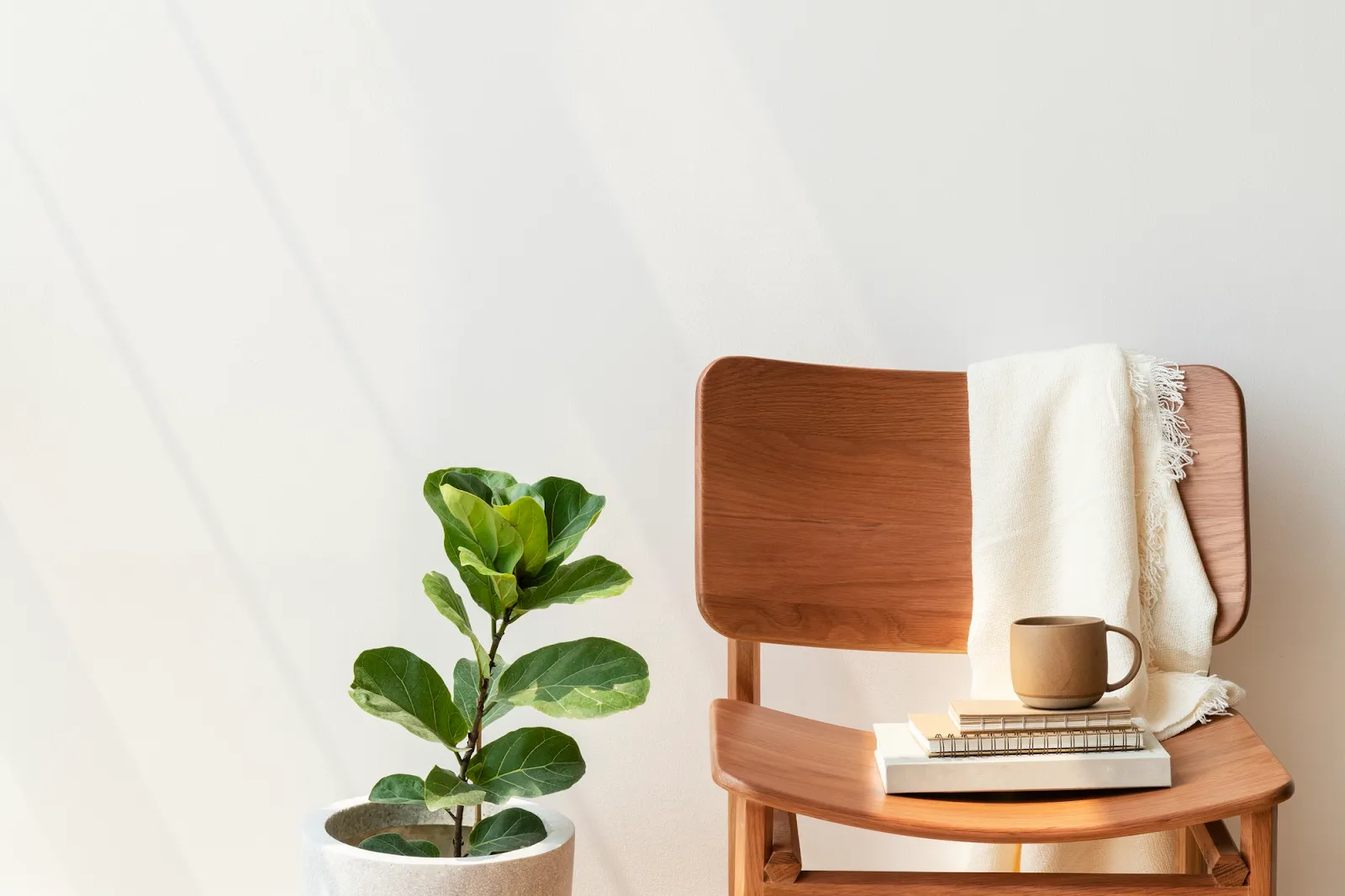
Japandi-inspired office design offers far more than just a stylish aesthetic. Its thoughtful balance of minimalism, natural materials, and clean forms creates work environments that actively support employee comfort, clarity, and performance.
The following ideas illustrate how Japandi principles can be applied throughout a commercial space to elevate the overall workplace experience.
1. Japandi-Inspired Minimalist Open Office Layout
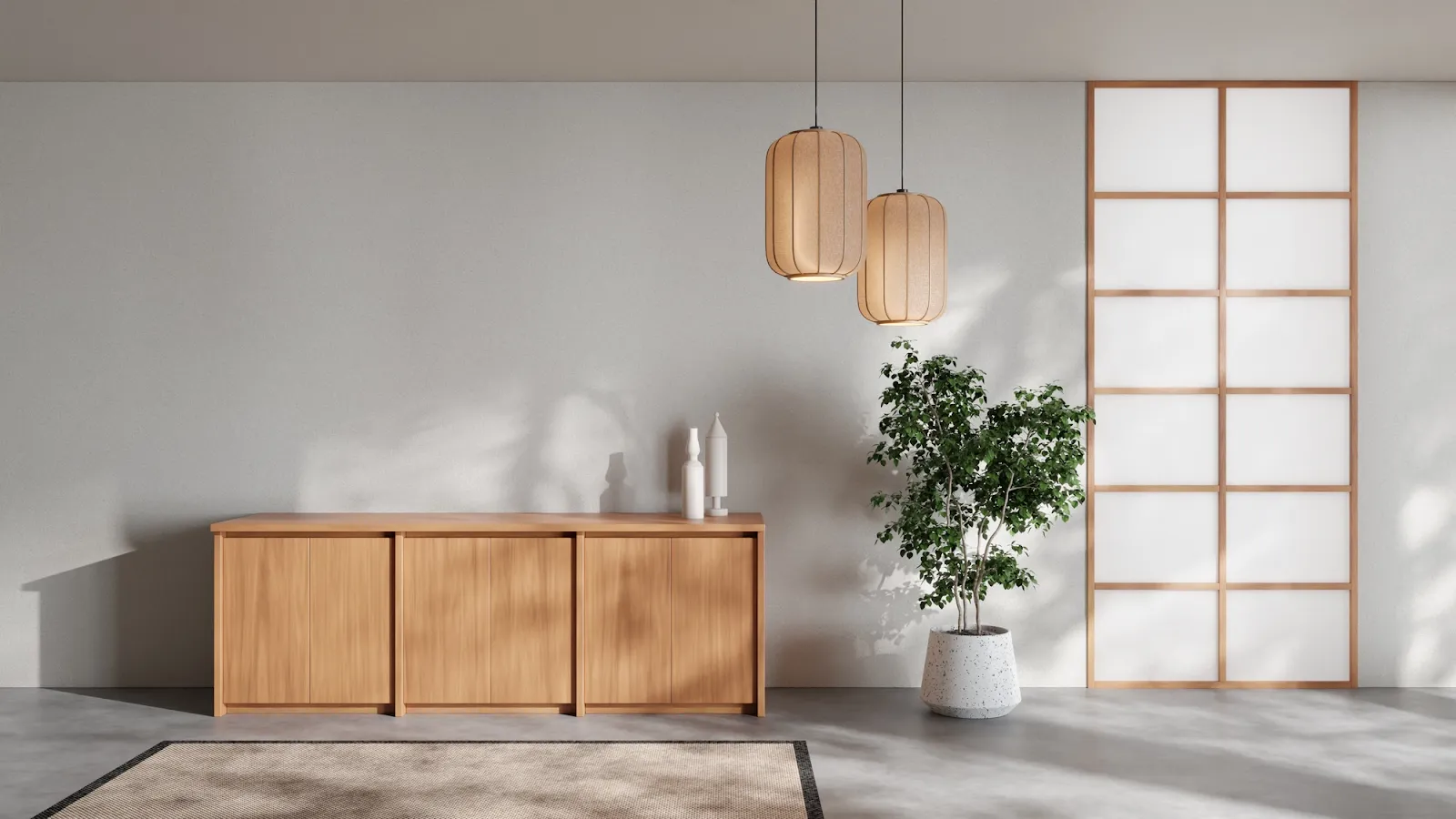
A minimalist open office layout embraces the Japandi philosophy by removing unnecessary visual distractions and prioritising a sense of flow. Instead of cramped clusters or bulky furniture, workstations are thoughtfully arranged to maximise space efficiency and create a balanced rhythm throughout the floor.
Clean lines and uncluttered surfaces give employees room to think clearly, while the openness encourages teamwork without overwhelming the senses.
This layout works particularly well in Singapore’s modern commercial buildings, where space can be limited. By embracing the concept of ma, intentional empty space, the design ensures areas feel light, breathable, and productive rather than chaotic.
The focus is on purposeful placement: streamlined desks, simple dividers, and easy movement between zones. The result is a workplace that feels calm, organised, and naturally collaborative.
2. Japandi Neutral Colour Palette For Corporate Interiors
A neutral colour palette is one of the defining features of Japandi interior design, and it plays a significant role in shaping the atmosphere of a corporate environment.
Warm beiges, soft greys, muted browns, and off-whites help create a soothing backdrop that reduces visual stress, a welcome change from the stark whites or high-contrast colours commonly found in traditional offices.
For employees, this palette provides a sense of stability and comfort. It also makes the workspace feel more polished and contemporary, which can positively influence both morale and client perception.
Neutral tones pair beautifully with natural textures, such as light woods or stone accents, reinforcing the organic calm that Japandi is known for.
In a busy Singapore office, where long hours and fast-paced routines are the norm, these tones help regulate mood and create an environment that supports sustained focus. The palette also offers versatility, allowing companies to integrate subtle brand colours without disrupting the overall sense of harmony.
3. Wood-And-Bamboo Desk Systems For Workspaces
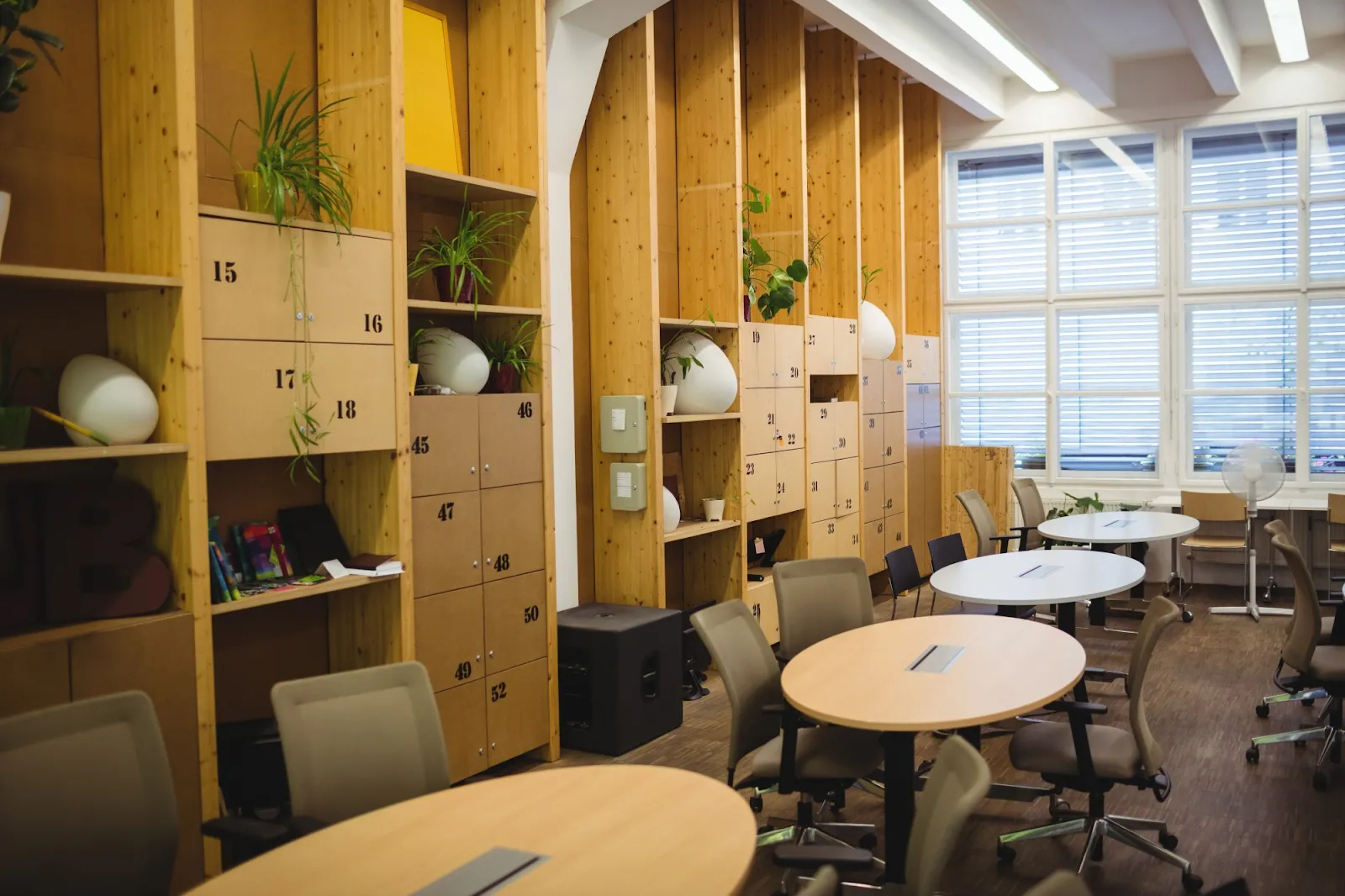
Wood and bamboo are essential materials in Japandi style interior design, and they introduce a natural warmth that instantly elevates the look and feel of a workspace. Desk systems crafted from these materials strike the perfect balance between durability and elegance, making them ideal for commercial use.
Bamboo, in particular, is both lightweight and strong, offering an eco-friendly alternative to synthetic materials. Its soft grain and warm tone bring a sense of calm to individual workstations, helping employees feel more connected to nature even in high-rise office settings.
Wooden desks, with their timeless appeal, add grounding energy to the space and complement the neutral colour palette beautifully.
These materials also support healthier work habits. The natural textures subconsciously promote relaxation, while the sturdy construction ensures stability during daily tasks.
For corporate administrators aiming to enhance workplace morale and visual appeal simultaneously, wood-and-bamboo desk systems offer a practical yet refined solution that aligns perfectly with Japandi principles.
4. Japandi-Style Reception And Lobby Designs
A Japandi-inspired reception or lobby design sets the tone for the entire office, creating an immediate sense of calm and professionalism.
By combining minimalist furniture with natural textures and soft, neutral tones, the space feels inviting without appearing overly decorated. Clean-lined seating, wooden accents, and subtle décor establish a refined atmosphere that aligns beautifully with modern corporate expectations.
In Singapore’s competitive business landscape, first impressions matter. A thoughtfully designed reception area communicates trust, competence, and attention to detail the moment clients walk through the door.
Soft lighting enhances the tranquil mood, while greenery or stone elements add just the right amount of organic warmth. The result is a lobby that reflects the company’s identity while offering a serene pause before entering the main office environment.
5. Conference Rooms With Japandi Minimalism
Conference rooms designed with Japandi minimalism prioritise clarity, order, and purposeful interaction. Instead of bulky furniture and distracting décor, Japandi conference rooms feature streamlined meeting tables, simple chairs, and neutral colour schemes that keep attention on the conversation.
Every element is intentional: clean surfaces to support clear thinking, warm materials to maintain comfort, and unobtrusive lighting to create a calm atmosphere.
This design approach naturally enhances collaboration. Without visual clutter, teams can focus better, process information more effectively, and engage more meaningfully.
In Singapore’s fast-paced corporate culture, where meetings often drive key decisions, these serene, balanced environments support sharper communication and more productive outcomes. The overall feel is polished yet relaxed, allowing creativity and strategy to flourish.
6. Eco-Friendly Japandi Material Selection For Offices
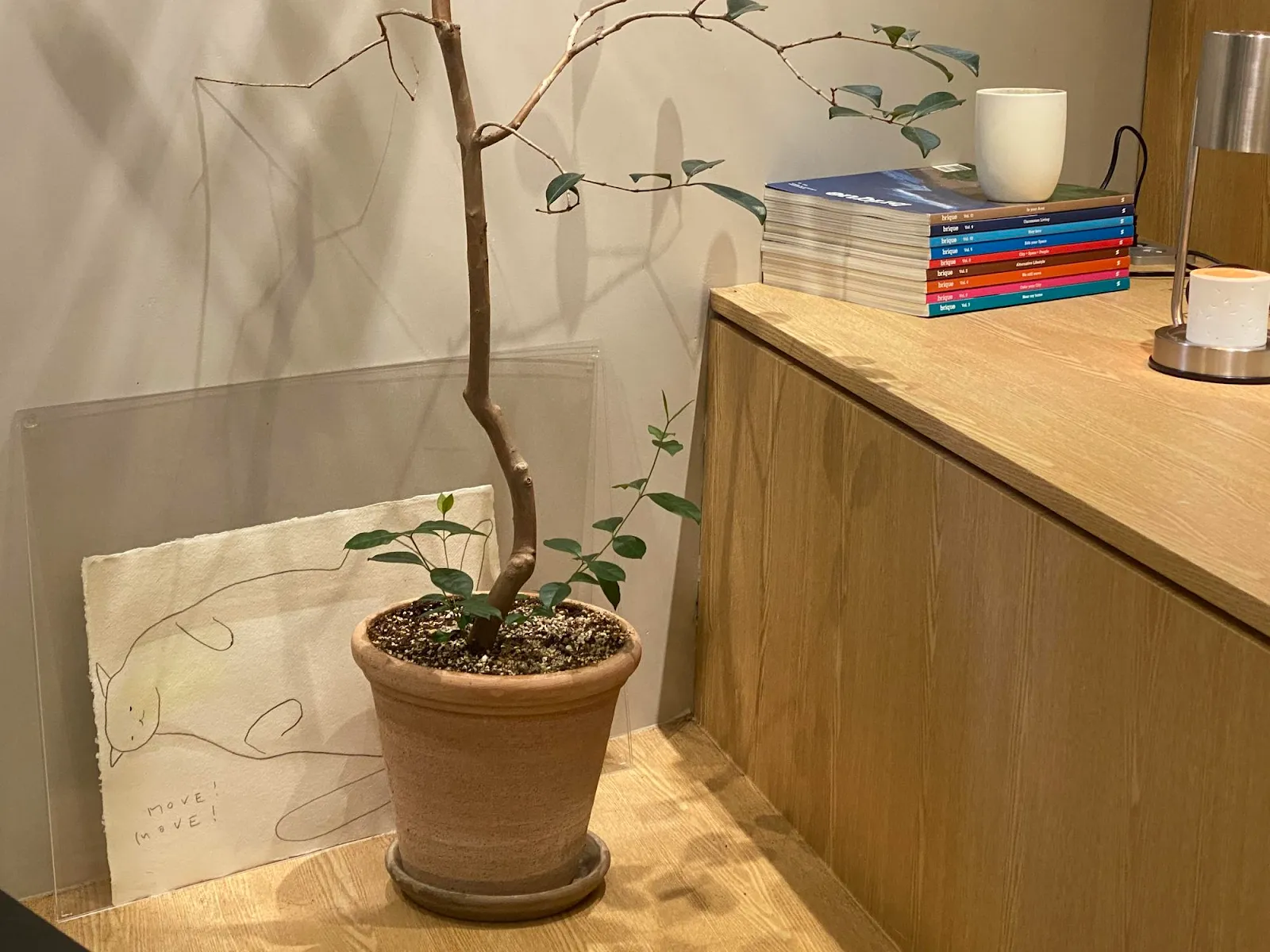
Eco-friendly materials are at the heart of Japandi style interior design, making it an excellent choice for companies committed to sustainability.
Bamboo, recycled wood, and natural fabrics are commonly used to create workspaces that are both environmentally responsible and visually appealing. These materials are not only durable but also contribute to a healthier indoor environment by reducing exposure to synthetic surfaces and harsh chemicals.
Bamboo is particularly popular due to its rapid renewal cycle and strength, making it ideal for desks, flooring, and cabinetry.
Recycled wood brings warmth and character, and it supports green corporate initiatives by minimising waste. Natural fabrics like linen, cotton, and wool add softness without compromising Japandi’s minimalist aesthetic.
7. Soft, Warm, Diffused Lighting In Japandi Offices
Lighting is one of the most influential elements in Japandi design, and its impact on employee well-being cannot be overstated. Instead of harsh fluorescent fixtures that create glare and fatigue, Japandi offices use soft, warm, and diffused lighting to cultivate a calm and comfortable environment.
This can be achieved through fabric lampshades, frosted glass pendants, hidden LED strips, or strategically placed floor lamps that cast gentle illumination rather than intense overhead beams.
In commercial settings, this lighting approach supports longer working hours by reducing eye strain and promoting a more relaxed visual experience. For Singapore offices with limited natural light, warm lighting also compensates for the lack of sunlight, helping maintain a soothing ambience throughout the day.
By creating a space that feels naturally lit and visually balanced, businesses can enhance focus, improve mood, and encourage more thoughtful collaboration. The end result is a workplace that feels both modern and human-centred, key qualities in today’s evolving corporate landscape.
8. Biophilic Elements Integrated Into Japandi Workplaces
Biophilic design pairs seamlessly with Japandi principles, making it an essential component of a truly harmonious office. Integrating plants, natural textures, and indoor greenery helps soften the streamlined look of minimalist interiors and introduces a sense of life and movement.
This approach is particularly beneficial in high-density work environments, where the presence of nature can counteract stress and improve overall morale.
Incorporating greenery into a Japandi workplace may involve potted plants in simple ceramic planters, bonsai-inspired arrangements, vertical green walls, or even natural materials like rattan and stone. Each of these elements adds warmth and texture without disrupting the clean, understated aesthetic.
For corporate offices in Singapore, where fast-paced schedules and long hours are common, biophilic elements offer a restorative balance that helps employees feel more grounded.
9. Modular Multifunctional Japandi Office Furniture
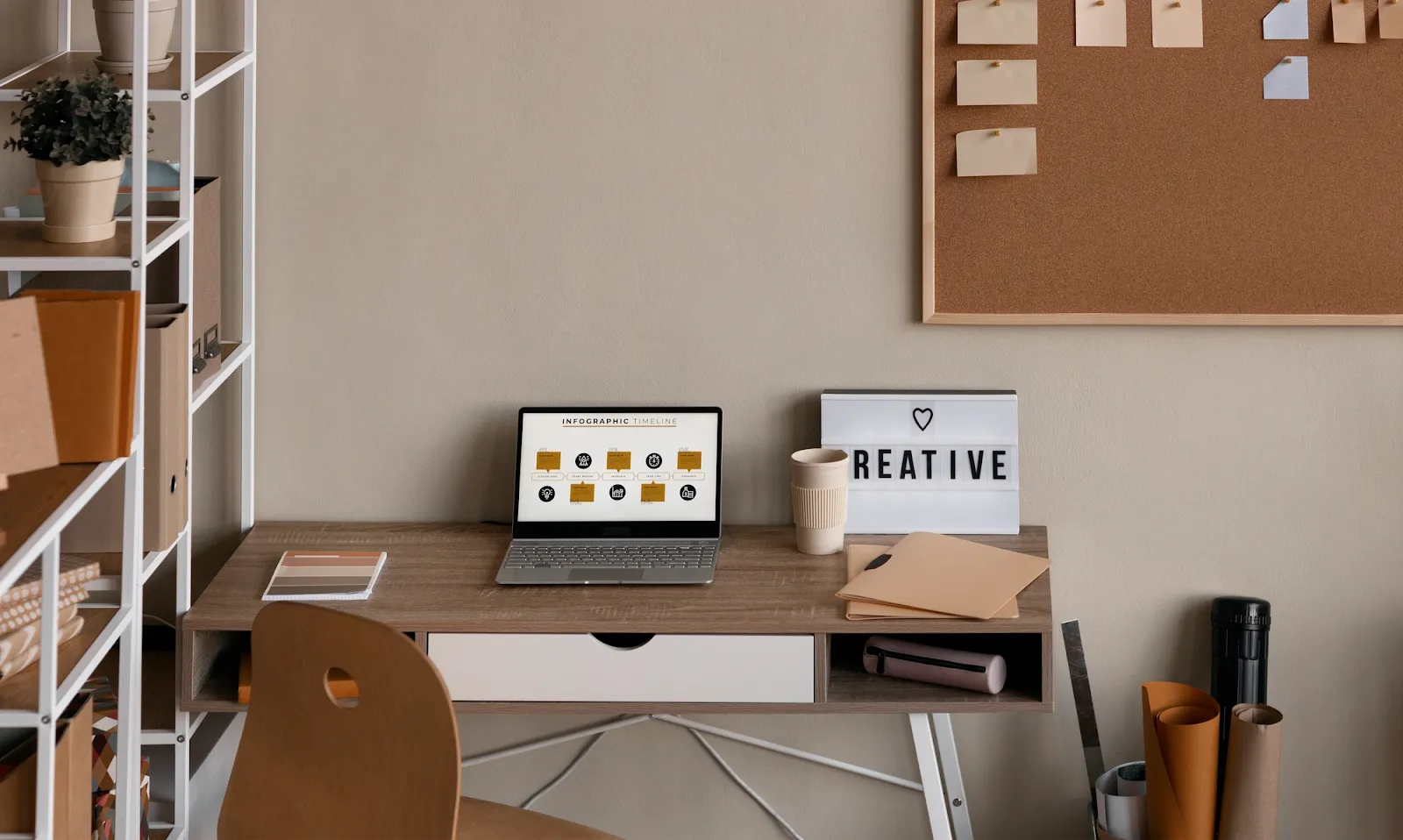
Modular multifunctional furniture embodies the practical side of Japandi design, making it an excellent choice for modern offices that need to stay agile. As work patterns shift towards hybrid arrangements and flexible seating, businesses require furniture that adapts easily without compromising aesthetics.
Japandi modular pieces, such as reconfigurable desks, mobile storage units, or extendable meeting tables, offer clean lines, neutral tones, and thoughtful craftsmanship, ensuring both beauty and usability.
These furnishings support efficient use of space, which is especially valuable in Singapore’s compact office environments. For example, a mobile workstation can be rearranged for team collaborations in the morning, then reconfigured for focused work in the afternoon.
Foldable benches, stackable chairs, and multi-purpose shelving systems maintain the minimalist look while providing exceptional practicality.
10. Warm-Wood Storage And Hidden Cabinetry Systems
Warm-wood storage solutions are a hallmark of Japandi style interior design, offering both beauty and practicality in commercial settings.
By incorporating cabinetry crafted from oak, ash, or bamboo, offices gain storage units that blend seamlessly into the overall aesthetic, avoiding the bulky visual impact that traditional metal cabinets often create.
Hidden cabinetry, built into walls, beneath worktops, or integrated into desk systems, keeps essential items out of sight, contributing to a clean and orderly workplace.
For corporate administrators, this approach is particularly valuable. Clutter-free environments support clearer thinking, smoother workflows, and better use of floor space, important considerations in Singapore where compact offices are common.
Warm wood tones also introduce a sense of comfort and natural warmth into professional settings, helping to balance technology-heavy work areas with a more grounded, human touch. These storage systems enhance both the visual appeal and functional efficiency of the workspace.
11. Japandi Small Office / Co-Working Pod Setups
Japandi principles are exceptionally effective in transforming small offices and co-working pods into calm, efficient work environments.
The style’s focus on simplicity, functional furniture, and intentional use of space allows compact areas to feel more open and thoughtfully arranged. By removing visual excess and prioritising essentials, employees are given a focused environment that supports concentration and reduces stress.
In Singapore’s commercial districts, where many companies operate in modestly sized units, these compact Japandi setups can significantly elevate productivity.
Elements such as slimline desks, multipurpose seating, built-in shelving, and neutral colour palettes ensure every square metre works harder without looking overcrowded. Soft lighting and natural materials soften the space further, making even small workstations feel inviting rather than restrictive.
12. Linen And Natural-Fabric Soft Furnishings For Offices
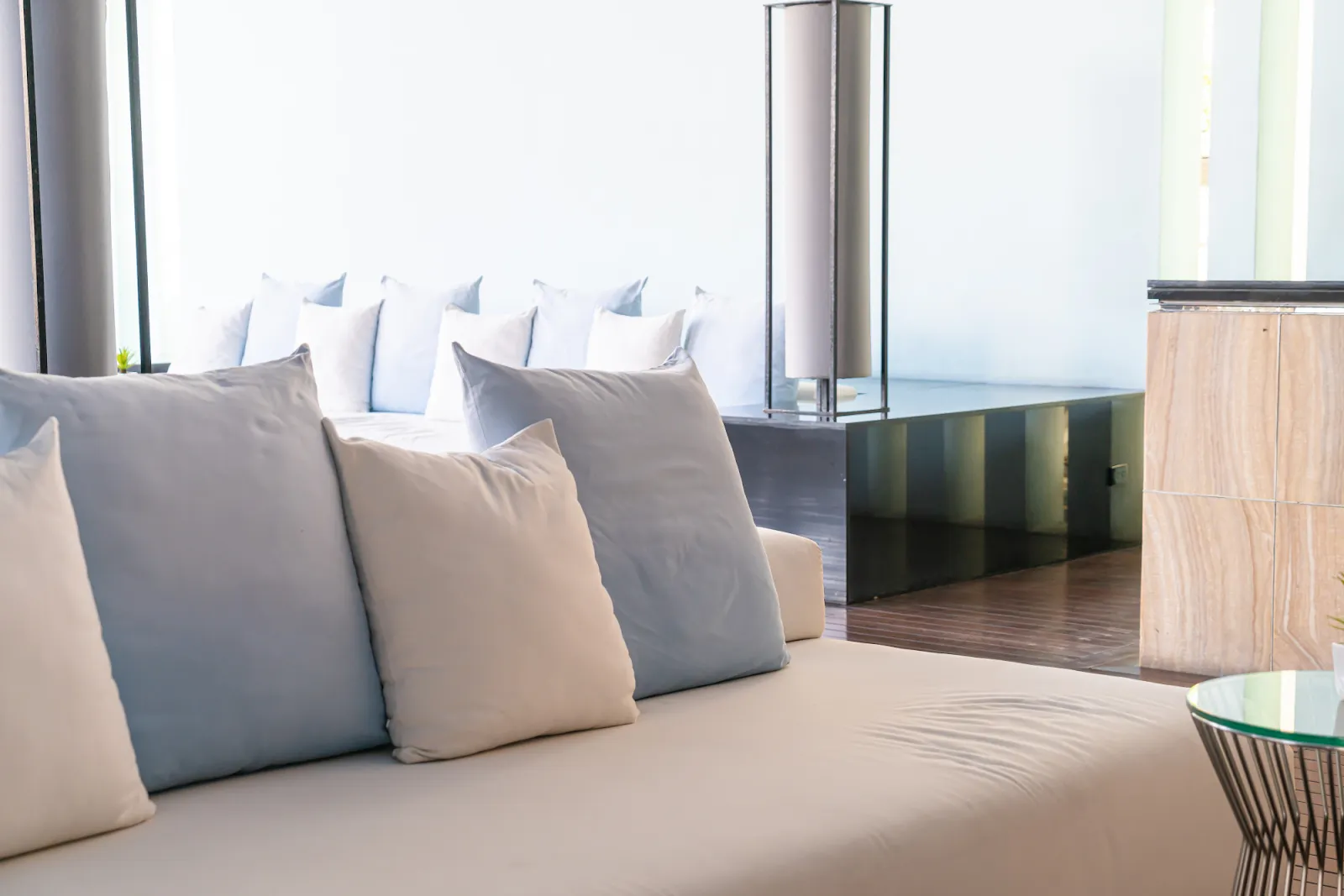
Soft furnishings play a crucial role in Japandi interior design, adding warmth and texture without overwhelming the minimalist aesthetic.
Linen, cotton, wool, and other natural fabrics offer understated elegance while maintaining a clean, muted look. These textiles can be used for upholstered seating, cushions, curtains, and acoustic panels, subtly improving comfort and acoustics in the workspace.
In offices, natural fabrics help soften the typically rigid and structured environment. Linen curtains diffuse harsh sunlight, creating a gentle, ambient glow.
Wool or cotton upholstery introduces tactile comfort, making meeting rooms, lounges, and collaborative spaces more welcoming. These materials also improve air quality and reduce the synthetic feel that often dominates corporate interiors.
For business owners looking to create a more employee-friendly environment, natural fabrics offer a simple yet impactful solution.
They elevate comfort, improve visual harmony, and reinforce the warm, earthy tone that defines Japandi design, all without compromising the clean, professional appearance expected in commercial settings.
13. Wabi-Sabi Inspired Office Accents And Textures
Wabi-sabi, the Japanese philosophy of appreciating imperfection and authenticity, adds a meaningful layer to Japandi office design.
Introducing wabi-sabi inspired textures, such as unfinished wood, hand-crafted ceramics, textured plaster walls, and naturally worn surfaces, brings character into modern corporate spaces without disrupting the clean aesthetic. These subtle imperfections create warmth and depth, making the environment feel more human and grounded.
In a busy Singapore office, wabi-sabi accents provide a refreshing contrast to polished steel, glass, and technology-heavy setups. They remind employees to embrace simplicity, slow down mentally, and find calm in the everyday environment.
This grounding effect contributes to improved focus and a stronger connection to the workspace. Wabi-sabi elements also age gracefully, making them a long-lasting and cost-effective choice for businesses seeking timeless appeal with minimal maintenance.
14. Minimalist Japanese–Scandinavian Collaborative Spaces
Collaborative spaces designed with Japandi principles prioritise calmness, clarity, and purposeful interaction. Instead of overwhelming teams with bright colours or crowded seating arrangements, these areas feature clean lines, soft palettes, and functional furniture that supports meaningful teamwork.
Think low wooden benches, simple round tables, and soft lighting, creating spaces that feel open yet intimate.
In Singapore’s commercial environment, where collaboration is essential across departments, these minimalist zones help employees communicate more effectively by reducing sensory distractions. The design promotes psychological safety: a clutter-free area makes people feel less rushed and more willing to share ideas.
Scandinavian comfort merges with Japanese intentionality, resulting in spaces that encourage creativity without noise or chaos. It’s a highly effective approach for brainstorming corners, project hubs, or hybrid meeting areas.
15. Neutral-Toned Office Partitions And Acoustic Panels
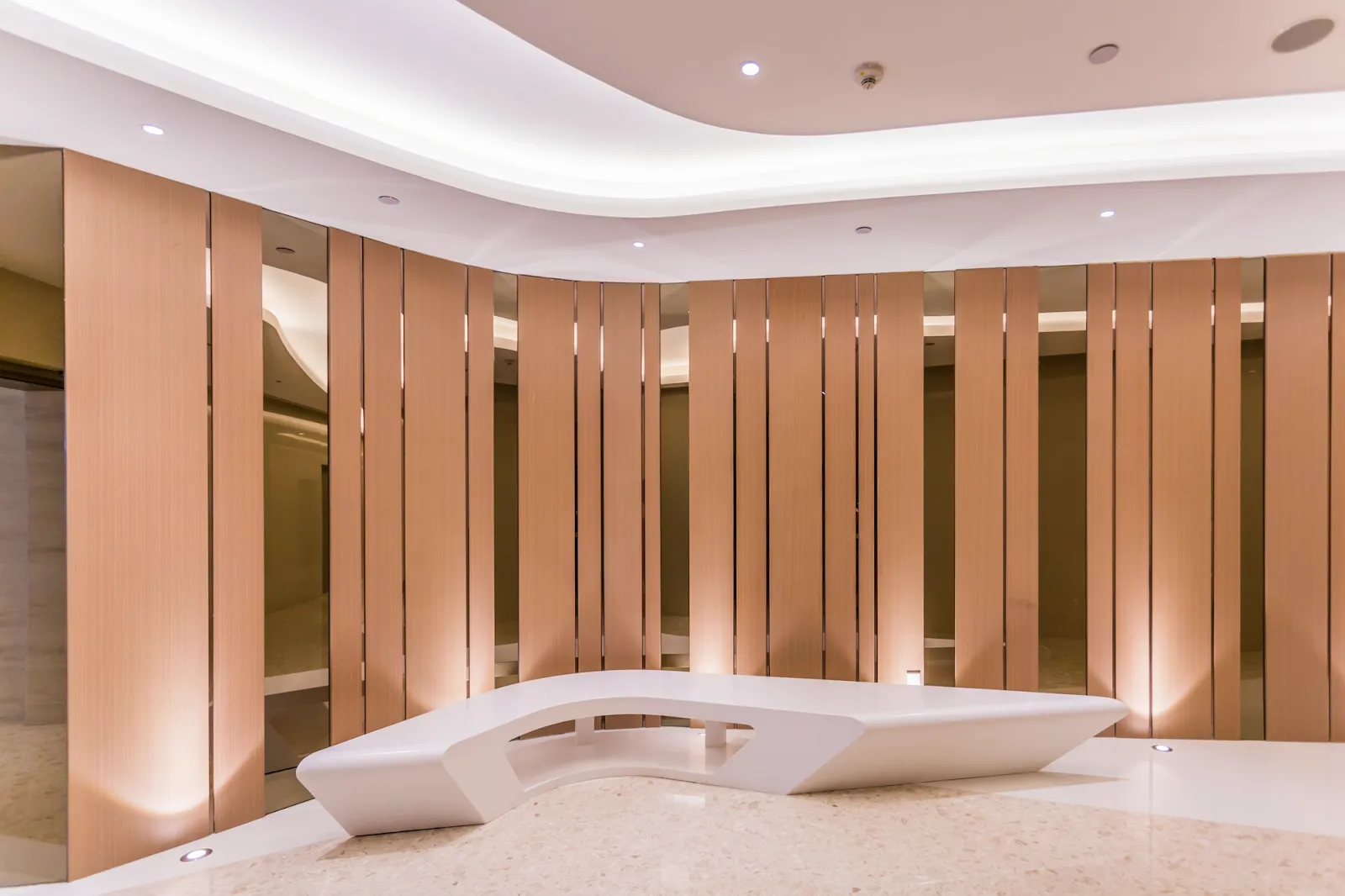
Neutral-toned partitions and acoustic panels enhance office function while maintaining Japandi’s signature understated aesthetic. Instead of bulky, corporate-looking dividers, Japandi-inspired partitions use soft greys, warm beiges, or muted browns to blend effortlessly into the environment.
Materials such as felt, linen-wrapped boards, light wood slats, or textured acoustic tiles improve sound control without compromising visual harmony.
These features are especially useful in open-plan offices common in Singapore, where managing noise is crucial for maintaining productivity.
Acoustic panels reduce echo and background chatter, creating a more comfortable environment for focused work and internal meetings. Their neutral tones reinforce the calming atmosphere, making the workspace feel more organised and cohesive.
16. Japandi-Inspired Break Room / Pantry Design
A Japandi-inspired break room or pantry offers staff a truly restorative escape from the fast pace of the workday. By combining calm tones, natural materials, and clean, uncluttered layouts, these spaces feel more like serene retreats than standard office pantries.
Soft beiges, muted greys, and warm wood accents create an inviting atmosphere, while simple cabinetry and open shelving keep the visual environment organised and easy to navigate.
In Singapore’s commercial offices, where employees often work long hours, creating a peaceful break area can significantly improve well-being and morale. The use of natural textures, such as wood countertops, ceramic mugs, stone tiles, and linen-soft furnishings, reinforces a sense of warmth and grounding.
Seating areas may include low benches or minimalist dining sets that encourage staff to slow down, reset, and recharge. This balanced design approach not only enhances the overall office experience but also contributes to better mental clarity and productivity throughout the day.
17. Japandi Wall Art And Simple Décor Accents For Offices
Japandi wall art and décor accents add depth and personality to corporate interiors without overwhelming the space.
The emphasis is on simplicity and intentionality, each piece should serve a purpose, contribute to the overall mood, and complement the neutral palette. Artwork typically features soft brushstrokes, abstract forms, or nature-inspired themes, all of which reinforce the calming aesthetic.
Décor elements might include textured ceramic vases, small handcrafted bowls, woven trays, or sculptural wooden pieces placed thoughtfully around the office. These accents introduce subtle character while keeping visual clutter at bay.
For business owners in Singapore aiming to enhance their workspace without excessive ornamentation, Japandi décor offers the perfect middle ground. It adds refinement and warmth while preserving the clean, professional look that modern offices require.
18. Natural-Stone And Wood Meeting Table Concepts
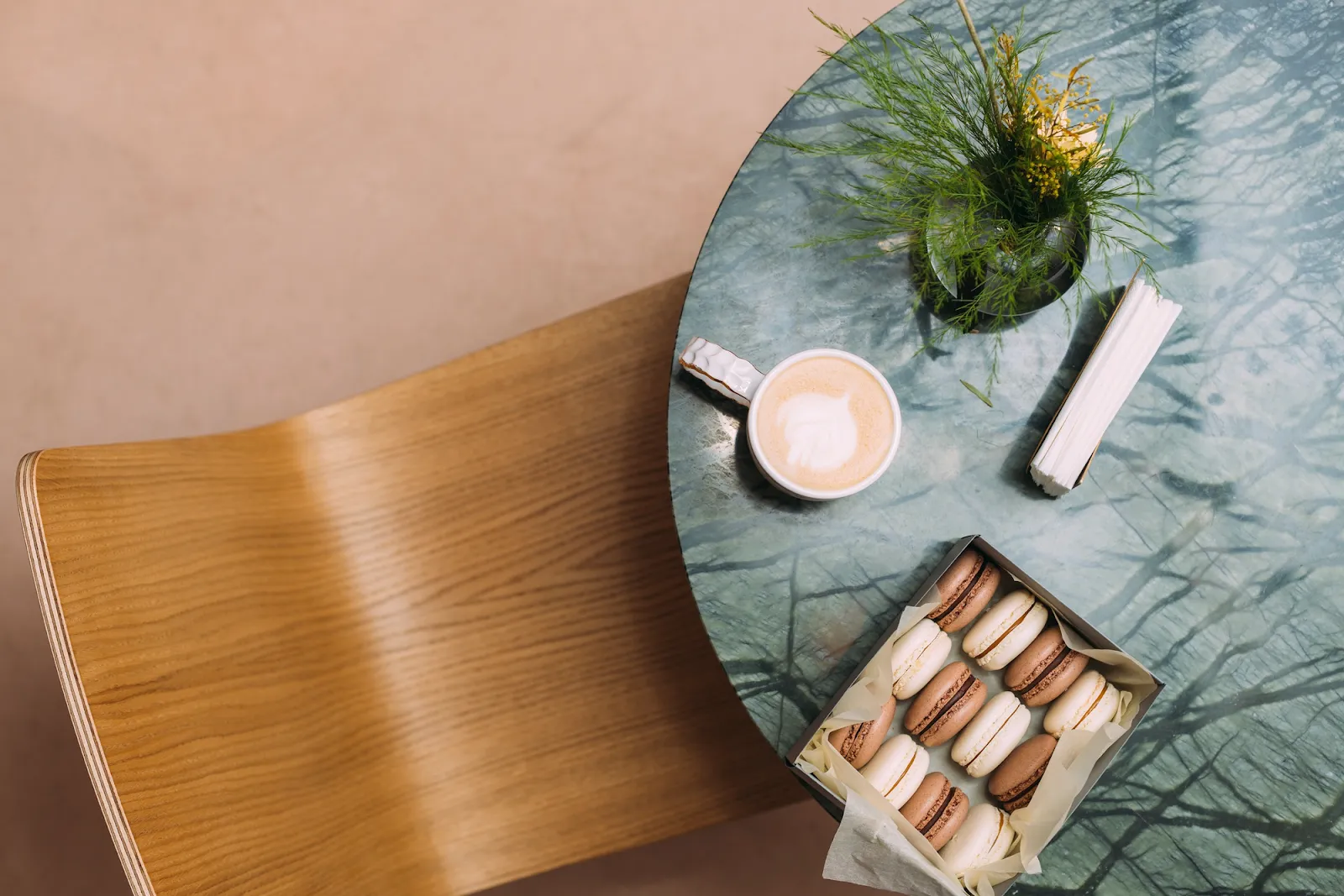
Meeting tables crafted from natural stone and wood are a standout feature in Japandi-inspired office design. These materials offer a tactile, grounding presence that instantly elevates the atmosphere of a meeting room.
Solid wood tables, with their rich grain patterns and warm tones, bring an organic calm to discussions, helping teams stay focused and engaged. Stone tops, such as travertine, marble, or textured slate, add a layer of elegance and durability while maintaining the minimalist look.
These tables also create a sense of permanence and stability, qualities often sought after in corporate environments. In Singapore’s bustling business scene, where meetings play a central role in decision-making, the environment has a direct impact on communication and clarity.
Natural-material tables help soften the mood, reduce the sterility often associated with traditional boardrooms, and encourage more thoughtful conversation.
19. Office Greenery In Simple Japandi Planters
Office greenery plays a vital role in Japandi design, introducing calmness and life into the workspace. Instead of overly decorative pots or bold plant arrangements, Japandi favours simple, understated planters crafted from materials like ceramic, clay, stone, or light-toned wood.
These minimalist vessels allow the greenery itself to take centre stage while maintaining the clean, cohesive aesthetic the style is known for.
In Singapore’s high-pressure commercial environments, plants such as snake plants, zamioculcas, bonsai-style arrangements, or soft-leafed indoor species help regulate air quality and uplift overall mood.
Their presence reduces stress and encourages a sense of tranquillity, qualities employees appreciate during long workdays.
Strategically placing greenery in reception corners, along corridors, or near workstations also breaks up visual monotony, making the office feel more inviting and balanced. By thoughtfully curating greenery, companies can enhance productivity and create a more nurturing workplace environment.
20. Japandi-Inspired Workstation Ergonomics
Japandi-inspired workstation ergonomics merge comfort, functionality, and minimalist design to create healthier and more efficient workspaces. Instead of bulky chairs or cluttered desks, this approach introduces ergonomically designed furniture with clean profiles, neutral colours, and natural materials.
Adjustable wooden desks, lumbar-support chairs with simple silhouettes, and footrests wrapped in natural fabrics all contribute to improved posture and comfort throughout the day.
These ergonomic elements not only reduce the risk of fatigue and strain but also align with the calm visual identity of Japandi interiors. For businesses in Singapore, where office-based work often involves long hours, well-designed ergonomic setups can significantly improve overall employee well-being and performance.
Cable management systems, integrated storage, and intentionally placed accessories help keep surfaces tidy, reinforcing the Japandi commitment to clarity and purpose.
21. Reception Signage Using Japandi Typography And Materials
Reception signage designed with Japandi principles offers a subtle yet impactful way to reinforce brand identity.
Instead of bold, high-gloss signage, Japandi favours clean, minimal typography paired with natural materials such as wood, stone, brushed metal, or textured ceramics. These elements work together to create signage that is elegant, understated, and consistent with the overall design of the space.
In a Singapore office environment, where brand perception begins the moment someone arrives, Japandi-inspired signage communicates professionalism and sophistication without appearing overly corporate.
Soft backlighting, carved lettering, or laser-cut wooden signs further enhance the design while maintaining the calm, grounded aesthetic. These refined visual cues help visitors form an immediate and lasting impression, setting the tone for the rest of the office experience.
22. Minimalist Japandi Shelving For Office Organization
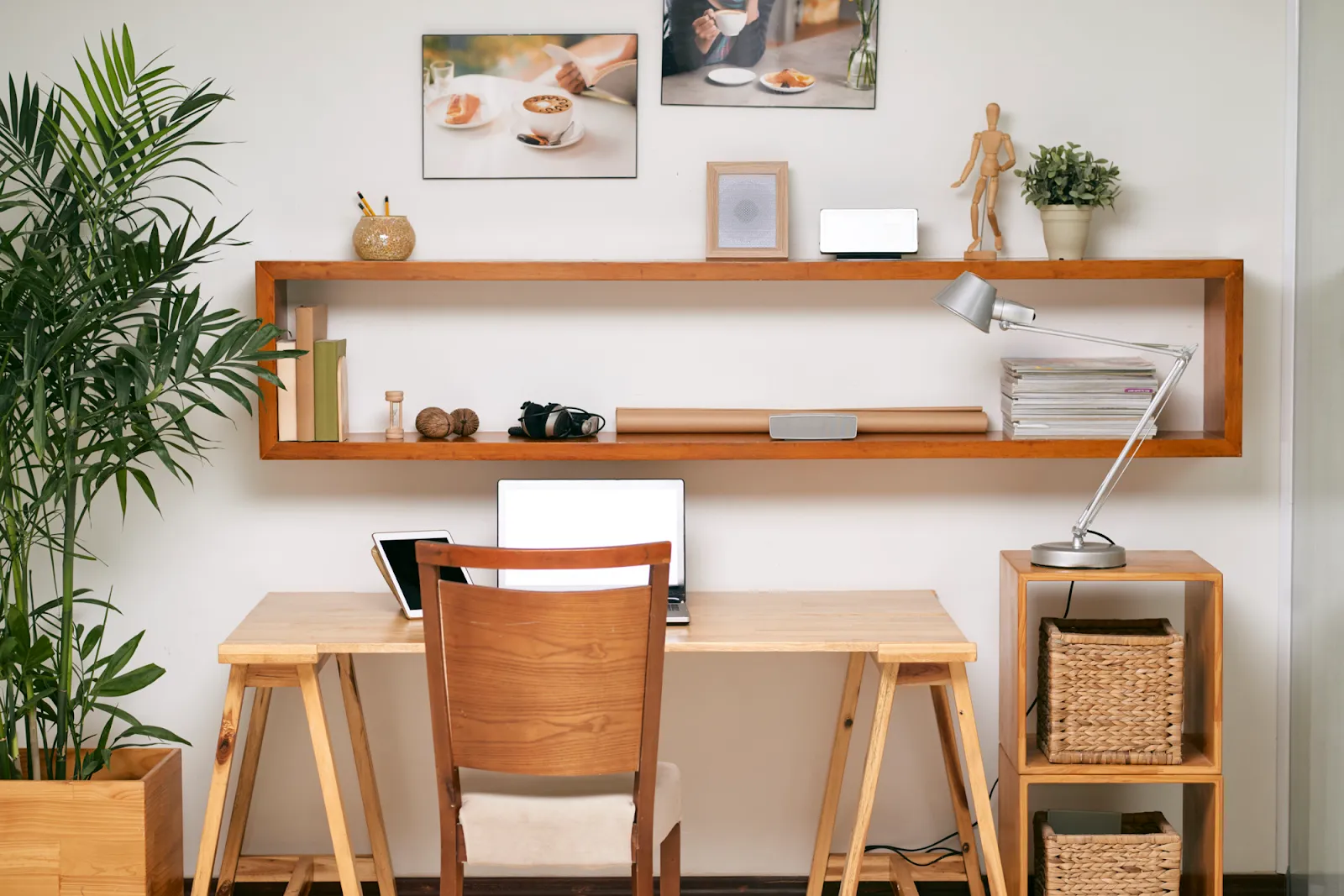
Minimalist shelving is a core feature of Japandi style interior design, offering a practical yet visually calming solution for office organisation. These shelving systems typically feature clean lines, light-toned woods, and open structures that avoid the bulky appearance of traditional storage units.
Instead of hiding everything behind closed doors, Japandi shelving encourages thoughtful curation, only essential items and aesthetically pleasing objects remain on display, creating a workspace that feels intentional and orderly.
For businesses in Singapore, where office space must be maximised without feeling cramped, these streamlined shelves help maintain a sense of openness. Their airy structure prevents visual heaviness, while still offering ample storage for documents, office supplies, or decorative elements.
By blending function with minimalist beauty, Japandi shelving enhances workflow efficiency and reinforces a cohesive, uncluttered design throughout the office. It’s a practical investment that improves both productivity and visual harmony.
23. Japandi-Inspired Lounge Or Client Waiting Area
A Japandi-inspired lounge or client waiting area sets a refined, calming atmosphere that leaves a memorable impression on visitors.
This space prioritises comfort and tranquillity, using natural materials, soft lighting, and muted colour palettes to create an environment that feels both stylish and welcoming. Low-profile seating, wooden side tables, linen cushions, and subtle décor work together to evoke a sense of ease and clarity.
In a commercial setting, especially within Singapore’s dynamic business districts, first impressions can significantly influence a client’s perception of a company. A Japandi lounge conveys professionalism without the rigidity of a traditional corporate setup.
Instead of overly formal chairs or loud decorative elements, the design encourages clients and guests to settle in comfortably. Greenery, tactile textiles, and warm-toned wood add depth while maintaining the understated elegance that defines Japandi interiors.
24. Sustainable Japandi Furniture For Commercial Spaces
Sustainable Japandi furniture is designed with both environmental responsibility and refined aesthetics in mind, making it an excellent fit for modern commercial spaces.
Pieces crafted from responsibly sourced wood, bamboo, rattan, or recycled materials strike the perfect balance between durability and natural beauty. These furnishings often feature clean silhouettes, soft curves, and neutral tones, hallmarks of Japandi design, while also supporting a company’s commitment to greener practices.
For Singapore businesses prioritising sustainability, eco-conscious Japandi furniture helps reduce environmental impact without compromising style or functionality.
Chairs upholstered in natural fabrics, desks made from reclaimed timber, or modular units built using low-VOC finishes all contribute to a healthier indoor environment.
This approach not only supports corporate ESG goals but also enhances staff comfort and well-being. By choosing sustainable Japandi pieces, companies invest in long-lasting furniture that elevates the workspace while aligning with responsible, future-forward values.
25. Japandi Negative-Space (“Ma”) Planning For Office Flow
Negative space, known as ma in Japanese culture, is a fundamental principle of Japandi interior design. It emphasises the importance of intentional empty areas within a layout, allowing a space to “breathe” and function more fluidly.
In an office setting, this translates to open walkways, uncluttered corners, and deliberate spacing between furniture pieces. These empty zones are not wasted space; they are strategic design elements that support clarity and movement.
In Singapore’s compact commercial offices, ma planning helps prevent the workplace from feeling crowded or chaotic. By reducing unnecessary objects and maintaining visual openness, circulation becomes smoother, and employees enjoy a calmer, more focused environment.
This thoughtful spacing also improves accessibility and reduces physical and mental fatigue, particularly in high-traffic areas such as corridors, collaboration zones, and reception pathways.
Conclusion About Japandi Interior Design In Singapore
Japandi style interior design has proven itself to be more than a passing trend, it’s a practical, efficient, and highly adaptable approach for Singapore’s commercial spaces.
With its emphasis on calm, functional spaces, Japandi helps offices feel more organised, encourages better focus, and even supports employee well-being, a clear advantage for companies aiming to enhance productivity without compromising aesthetics.
For businesses looking to refresh their workspace with a design style that balances beauty, purpose, and long-term usability, Japandi offers a compelling direction. And when it comes to transforming that vision into reality, partnering with a firm that understands Singapore’s commercial landscape makes all the difference.
Yangs Design Associates, established in 2017, brings together the expertise of seasoned interior designers and the practical experience of skilled contractors to deliver spaces that do more than just look good.
Specialising in Pre-lease, Design & Build, Interior Design Consultancy, and Reinstatement services, the team creates environments that elevate workplace performance, support business objectives, and reflect each brand’s unique identity.
Whether you’re planning a full office transformation or exploring new ways to optimise your space, Yangs Design Associates offers thoughtful, strategic solutions backed by proven results.
With a client-focused approach, creative designs, sustainable practices, and efficient project management, they ensure every project is delivered with precision and care.
If you’re ready to reshape your workspace with the calm sophistication of Japandi design, contact Yangs Design Associates for a free consultation and non-obligatory quotation today.
Frequently Asked Questions About Japandi Interior Design In Singapore
What Makes Japandi Style Interior Design Suitable For Modern Office Environments?
Japandi offers a calm, uncluttered aesthetic that supports productivity, focus, and a more comfortable working atmosphere.
How Does Japandi Style Interior Design Differ From Traditional Minimalist Office Design?
While both emphasise simplicity, Japandi blends Scandinavian warmth with Japanese elegance, creating a more inviting and balanced workspace.
Can Japandi Style Interior Design Improve Employee Well-Being In Commercial Spaces?
Yes, its use of natural materials, neutral tones, and serene layouts helps reduce visual stress and promote a healthier work environment.
Is Japandi Style Interior Design Cost-Effective For Businesses In Singapore?
It can be, as Japandi prioritises functional, high-quality pieces that offer long-term value rather than decorative excess.

